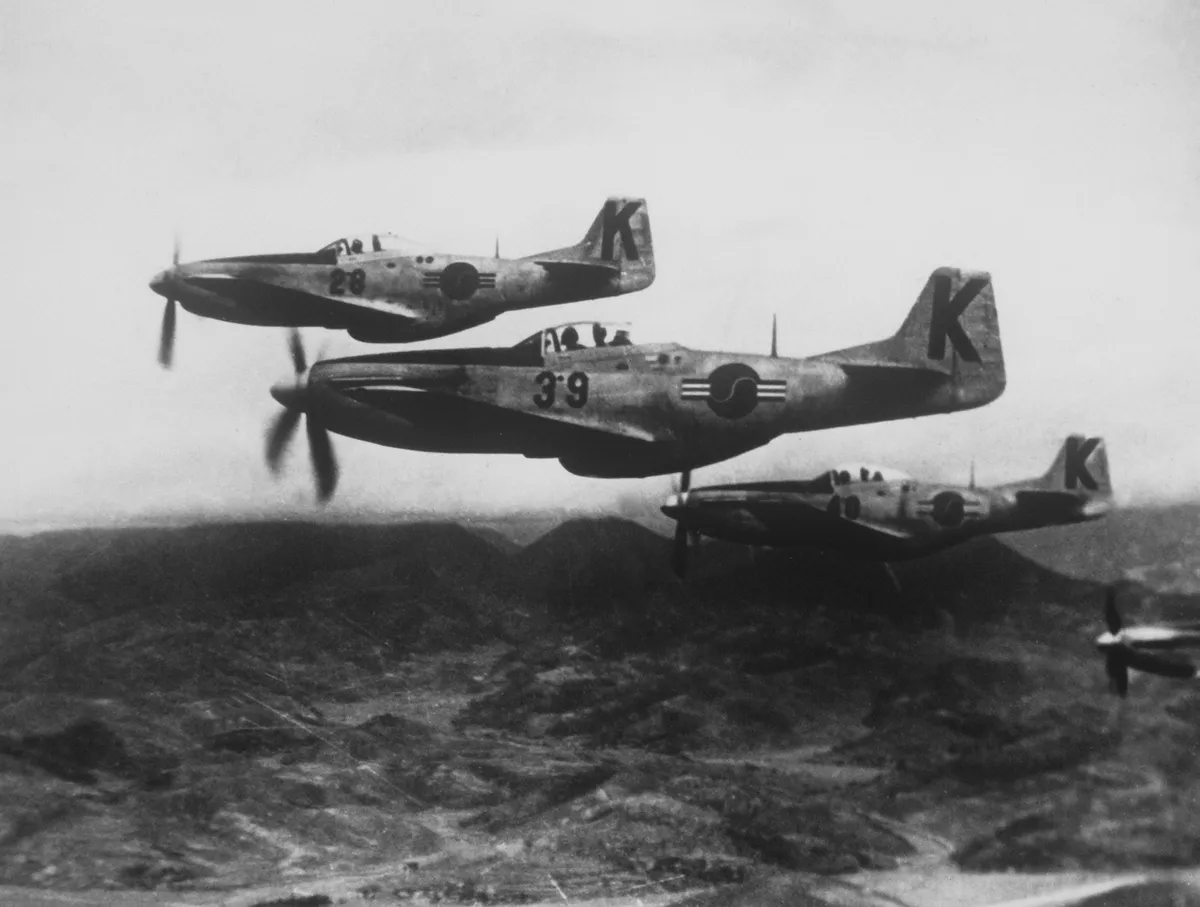
On December 24, 2021, the skies over Daegu, South Korea, were filled with the roar of F-15K fighter jets from the Republic of Korea Air Force (ROKAF). Pilots were preparing for a standard formation flight—an event routine enough to be almost mundane. Yet, this day would prove anything but ordinary.
As the two aircraft soared together, Major A, one of the pilots involved, had a plan. Just before takeoff, he announced to his fellow crew members, “This is my last flight before a transfer, so I will take photos of the flight after completing the mission.” His intent was clear; however, it would lead to unforeseen consequences.
During the flight, Major A executed a maneuver to capture footage. In doing so, he performed a sudden uncoordinated roll—137 degrees to be exact—without notifying his wingman. This lack of communication resulted in a dangerous collision between the two jets. Fortunately, both aircraft managed to land safely despite sustaining damage; the lead aircraft lost part of its left wing while the wingman’s tail stabilizer was also compromised.
The aftermath was significant. The Board of Audit and Inspection (BAI) later found that while Major A bore primary responsibility for the incident—admitting that his maneuver contributed to it—the ROKAF also shared some blame. They failed to prohibit in-flight personal photography, which had become a common practice among pilots at that time.
Repairing the damage incurred from this collision would not come cheap. The total costs reached KRW 878,709,963 (approximately $620,000). However, Major A’s financial liability was reduced by 90%, leaving him responsible for KRW 87,870,996 (around $62,000). This reduction reflects both his service record and circumstances surrounding the incident.
In hindsight, this sequence of events highlights critical issues within military training protocols. The BAI’s findings have prompted discussions about safety measures and communication standards among pilots. It raises questions: How can such incidents be prevented in the future? What changes need to be made to ensure that personal filming does not interfere with operational safety?
Ultimately, Major A left military service after this incident and transitioned to commercial aviation—a move that underscores how one moment can alter a career path dramatically. As for the ROKAF, they are now tasked with reassessing their training practices to better protect their pilots and equipment in future flights.
This collision serves as a reminder that even in well-rehearsed operations like those conducted by the Republic of Korea Air Force, unexpected events can occur—ones that require reflection and reform for greater safety moving forward.