Changing Expectations
Previously, the PlayStation Store operated under a fixed pricing model, where discounts were generally uniform across all users. Gamers anticipated standard sales events, such as seasonal promotions, but did not expect individualized pricing strategies.
Introduction of Dynamic Pricing
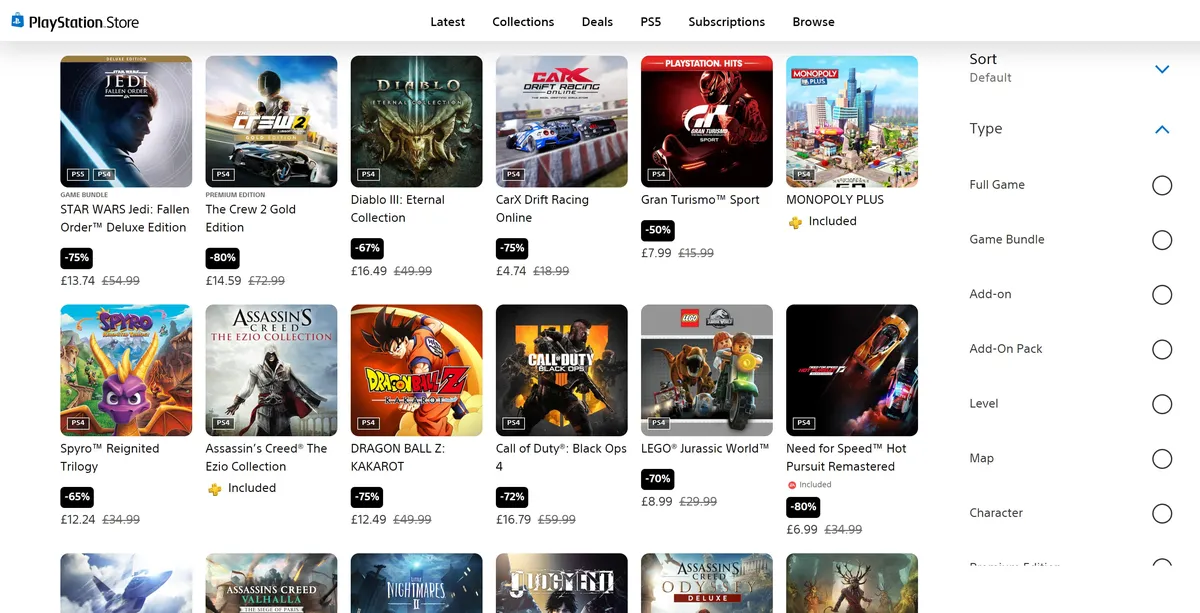
Recently, Sony has initiated a test of dynamic pricing on the PlayStation Store, which has been running since November 2025. This new approach involves offering personalized discounts ranging from 5% to a maximum of 17.6% on over 150 games, including both first-party and third-party titles.
The dynamic pricing test is being conducted in nearly 70 regions, although notable markets like the US and Japan are excluded due to stricter regulations. This shift marks a significant change in how Sony engages with its customer base, as users are randomly assigned to control or test groups, resulting in varied pricing for the same games.
Immediate Effects
The immediate impact of this strategy has been notable. Users have reported receiving personalized offers that reflect their unique purchase histories. This method aims to enhance user engagement and potentially increase sales.
According to PSprices, unusual offer structures were detected in PlayStation API responses, indicating that the dynamic pricing strategy is part of an A/B testing system. This approach allows Sony to analyze consumer behavior and adjust pricing strategies accordingly.
Expert Perspectives
Experts describe dynamic pricing as a flexible strategy that adjusts prices based on demand and individual customer profiles. This method, also referred to as surge pricing, has been used in various industries and is now making its way into the gaming sector.
As of December, Sony reported 132 million monthly active users, and the overall group profit increased by 22% year-on-year. This financial growth suggests that the dynamic pricing test could be a contributing factor to enhanced revenue streams.
Looking Ahead
While the dynamic pricing strategy may lead to increased sales, the long-term implications on consumer trust and overall sales remain unclear. Details remain unconfirmed regarding how this pricing model will be perceived by the gaming community and its potential to reshape purchasing behavior.