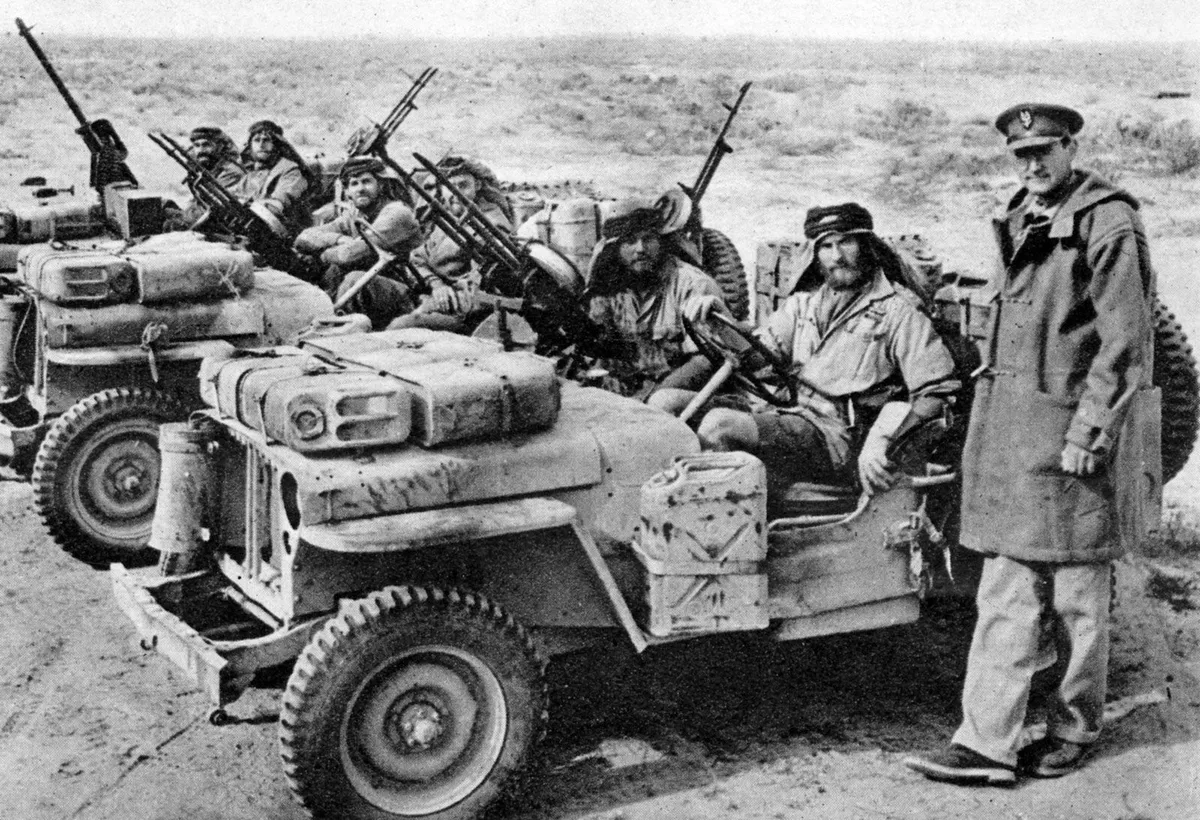
The 22 Special Air Service (SAS) Regiment is facing a troubling wave of resignations. Soldiers are stepping down in significant numbers, driven by fears of “witch hunts” orchestrated by human rights lawyers. This trend raises serious concerns about the future of one of the UK’s most elite military units.
At least two squadrons, D and G, have reported notable losses. The ongoing investigations into alleged war crimes linked to operations in Afghanistan and Syria have created a climate of fear among SAS personnel. Many feel that their actions during combat may lead to legal repercussions.
George Simm, a former SAS member, expressed the anxiety permeating the ranks: “If a soldier discharges their weapon, they are almost certainly going to get a knock on their door one day.” This sentiment reflects a broader unease within the regiment as morale has reportedly plummeted.
Moreover, the situation is compounded by relentless legal pursuits faced by some veterans from the Troubles in Northern Ireland. Nine former military chiefs have issued warnings that soldiers’ confidence in the legal system has deteriorated significantly. They argue that today’s soldiers must consider not just the enemy in front of them but also potential legal challenges behind them.
The size of the Army has also decreased dramatically—from over 100,000 personnel in 2010 to just over 70,000 today. This reduction exacerbates the strain on remaining forces and raises questions about operational capacity.
Lt Col Richard Williams pointed out that the SAS is grappling with what he termed a “toxic double whammy”—lawfare persecution coupled with budget cuts imposed by the Labour Party. This dual pressure further threatens the integrity and effectiveness of Britain’s special forces.
The Ministry of Defence has stated its commitment to ensuring that the legal framework reflects military operational realities. However, many within the SAS remain skeptical about these assurances.
As resignations continue to mount, what lies ahead for the Special Air Service is uncertain. Will these trends lead to a significant reshaping of military operations? Or will efforts to address these concerns restore some confidence among troops?