Introduction
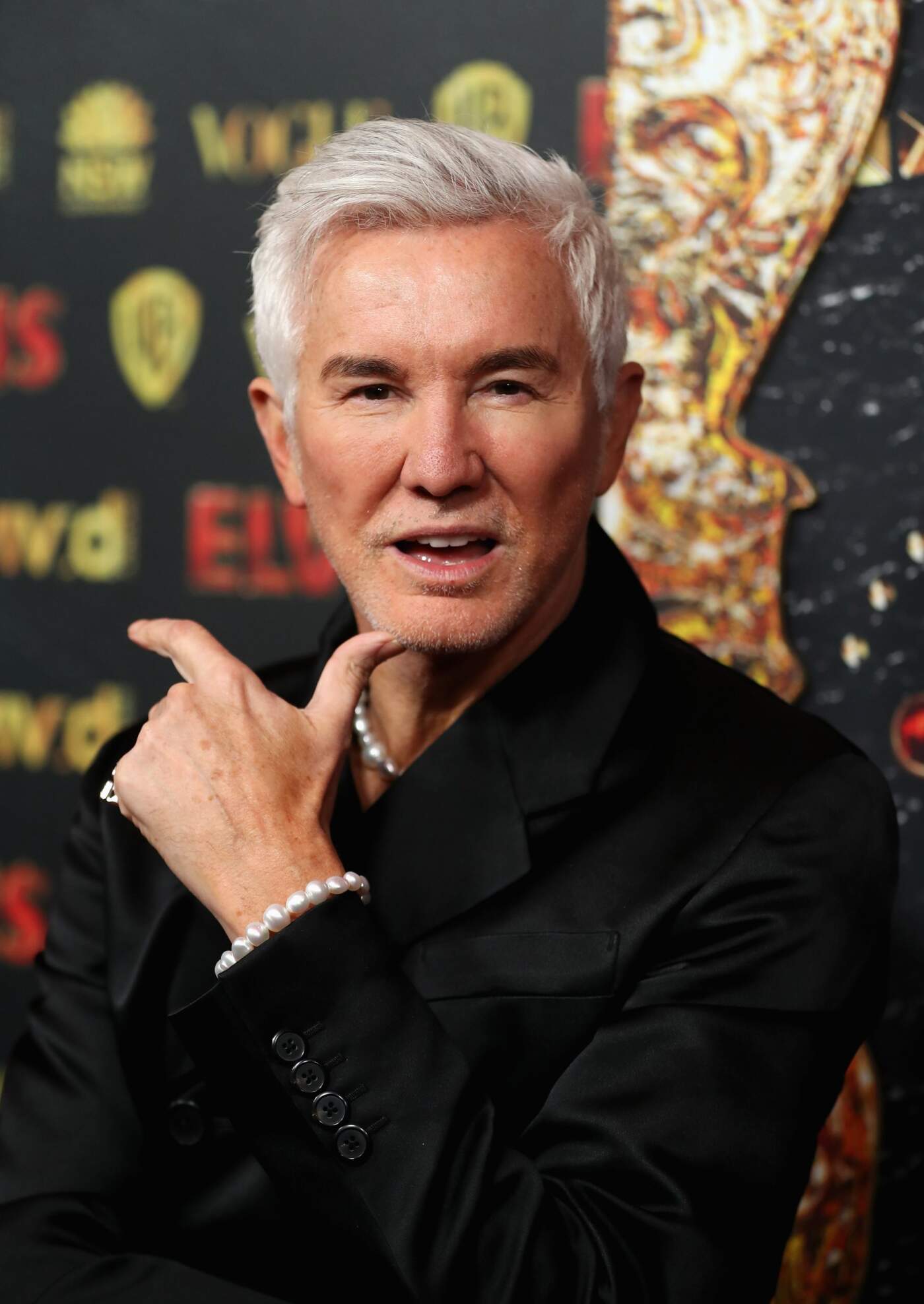
Baz Luhrmann, an esteemed Australian filmmaker, is known for his distinctive storytelling and bold visual style. His works have had a profound impact on contemporary cinema, blending various genres and creating cinematic spectacles that capture the audience’s imagination. With a distinctive style that combines vibrant visuals and eclectic soundtracks, Luhrmann’s films often explore themes of love, passion, and social dynamics. He is highly relevant today as audiences seek meaningful and innovative storytelling in an increasingly saturated film landscape.
Notable Works and Contributions
Luhrmann gained international fame with his 1992 adaptation of Shakespeare’s “Romeo + Juliet,” which merged classic text with a contemporary setting. Following this success, his 2001 film “Moulin Rouge!” received critical acclaim and was a commercial success, showcasing his ability to blend music and narrative artfully. The film, set in the bohemian period of Paris, revitalised the musical genre, introducing modern audiences to the vibrancy of theatrical storytelling.
In 2013, he directed “The Great Gatsby,” based on F. Scott Fitzgerald’s literary classic. This film earned Luhrmann further accolades for its lush visuals and stylistic approach, reinventing the story in a way that resonated with both new and returning audiences. Despite mixed reviews, the film’s unique aesthetic experience was lauded, paving the way for a resurgence in interest in Fitzgerald’s work.
Recent Developments
Luhrmann’s most recent project, “Elvis,” released in 2022, chronicles the life and career of the legendary musician Elvis Presley. The film garnered multiple award nominations, including an Academy Award nod for Best Actor for Austin Butler’s portrayal of Presley. Critics praised Luhrmann’s ability to infuse the biopic genre with his signature style, highlighting both the challenges and triumphs of Presley’s life.
Conclusion
Baz Luhrmann continues to be a pivotal figure in modern cinema, with a knack for fusing music, narrative, and visual creativity. His contributions to film are not just significant; they also bridge the gap between different artistic expressions, appealing to a diverse audience. As he embarks on new projects, Luhrmann’s work will likely evolve, but his passion for storytelling and theatricality will remain at the core of his creative vision. His influence will certainly be felt in the evolving landscape of cinema, and audiences can anticipate more innovative films that challenge traditional storytelling norms.