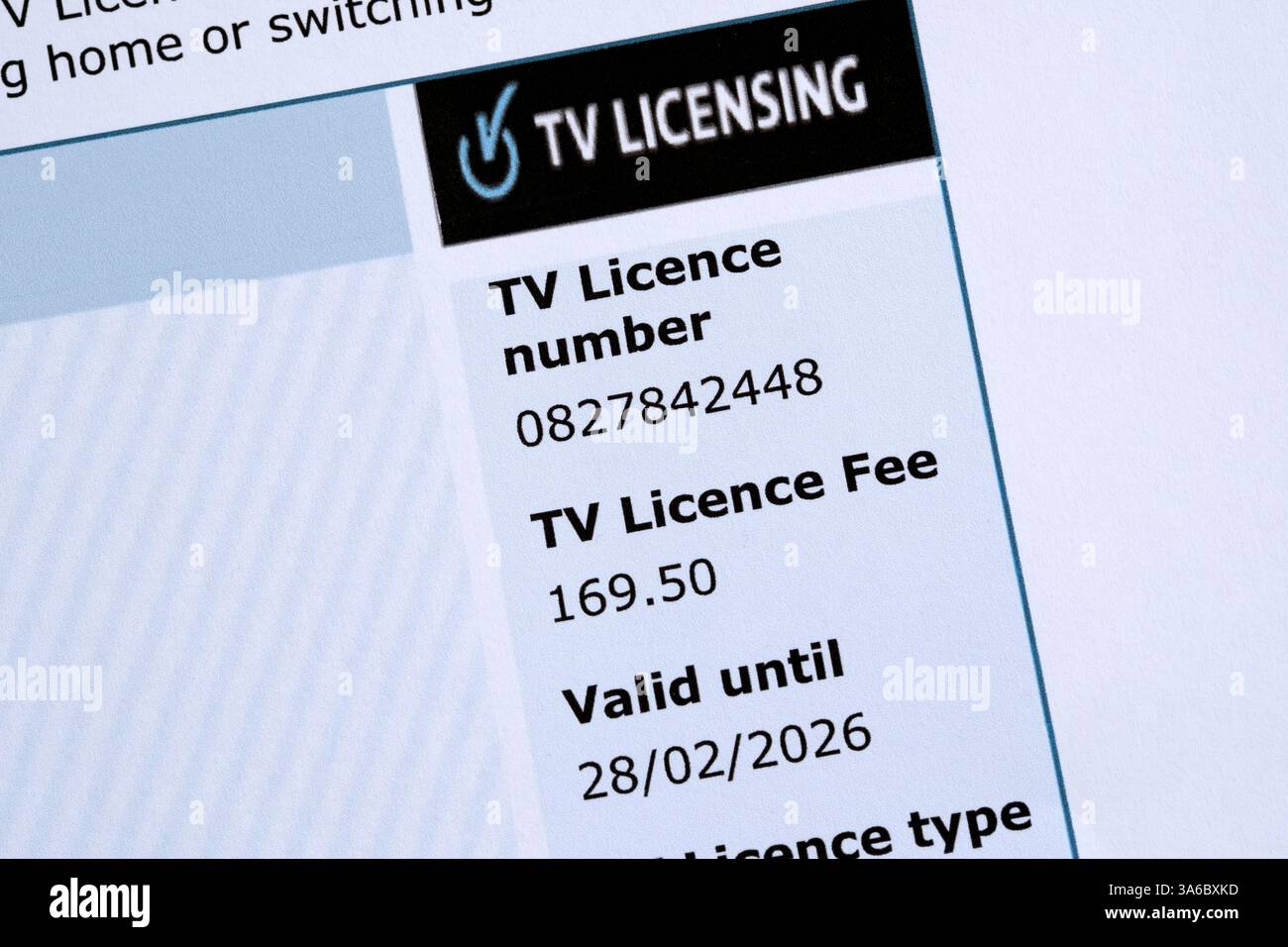
Introduction: What is a TV Licence?
The TV licence is a legal requirement for anyone in the United Kingdom who watches or records live television broadcasts or uses the BBC iPlayer. Funded by the fees collected from over 25 million households, the TV licence is crucial for supporting the BBC’s unique broadcasting model, which emphasizes public service over commercial interests.
Recent Developments and Current Events
In recent months, the BBC has faced scrutiny regarding its funding model, with debates stirring around the relevance and sustainability of the TV licence fee. As of 2023, the cost of a TV licence is £159 per year. This fee is set to be reviewed amidst discussions on how to adapt to changing media consumption habits, particularly with the rise of streaming platforms which provide alternative content access without a TV licence requirement.
Furthermore, calls for reform have been intensified by a range of political figures and segments of the public who argue that the funding setup is outdated. Recent surveys show that a significant portion of the UK population believes the BBC should consider alternative revenue sources, including subscriptions or advertising.
Implications for Viewers and the BBC
For viewers, maintaining the current TV licence fee structure means ensuring the continuation of a broad range of programming, from news to drama, aimed at informing and entertaining the public without commercial interruptions. However, as viewership models shift towards more on-demand services, it raises the question of whether a compulsory fee is still justifiable.
In June 2023, the BBC announced a plan to incrementally phase in new measures aimed at improving accountability and demonstrating the value provided to licence fee payers. This includes clearer communications about how the funds are spent and what audiences can expect in return.
Conclusion: The Future of TV Licences
The TV licence remains a cornerstone of British broadcasting, directly influencing the vitality of the BBC. Nevertheless, as public debate continues, future reforms may emerge to reshape how the system operates. As we move towards 2024, stakeholders are urged to consider how modern technology and consumer preferences can be integrated into the future of broadcasting funding. Ultimately, the significance of the TV licence in the UK will depend on balancing traditional media’s needs with the evolving landscape of content consumption.