Introduction
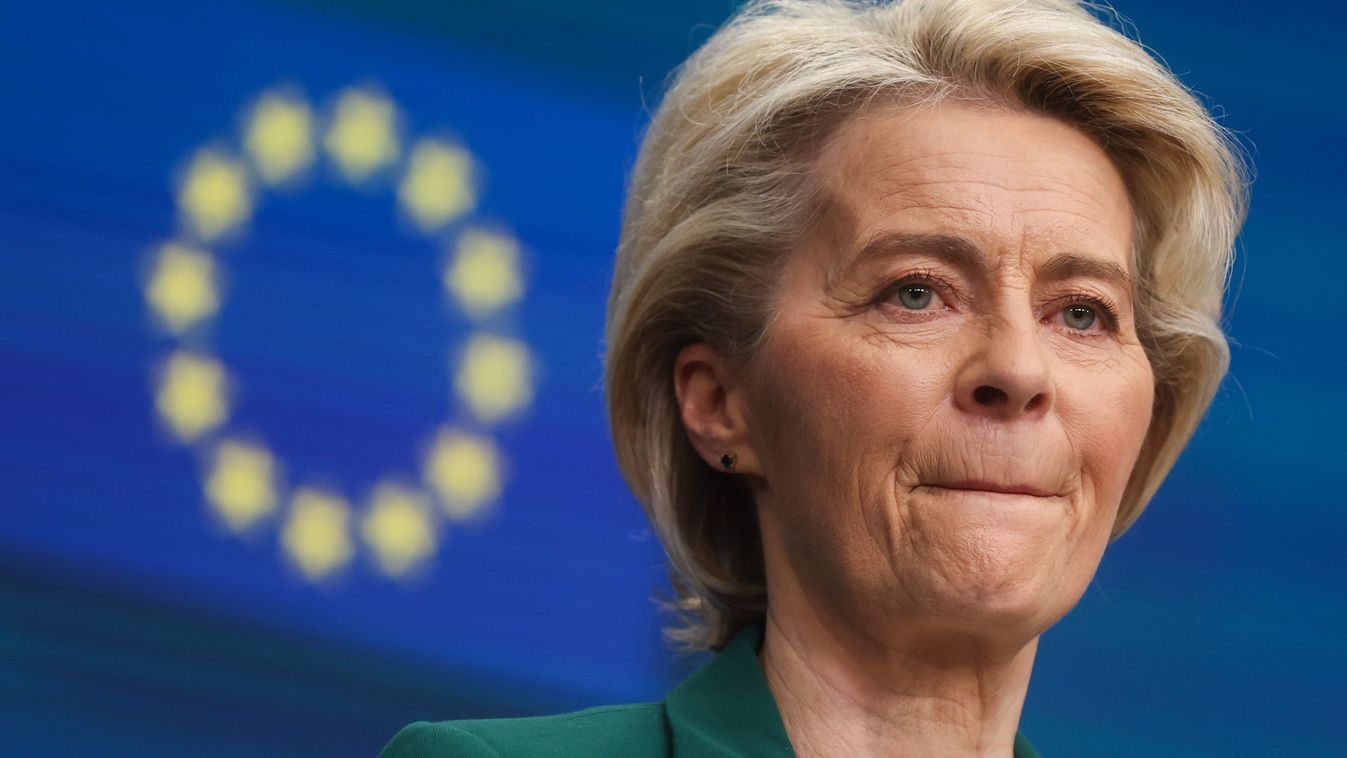
Ursula von der Leyen, as the President of the European Commission since December 2019, plays a pivotal role in shaping the future of Europe. Her leadership comes at a critical time, navigating challenges such as the COVID-19 recovery, climate change, and geopolitical tensions. Understanding her policies and direction not only highlights her influence within EU politics but also exposes the implications for citizens across member states.
Challenges and Achievements
Since taking office, von der Leyen has focused on several key initiatives. One of her major challenges was the management of the COVID-19 pandemic. She oversaw the EU’s vaccination strategy, which has been crucial in helping member states emerge from lockdowns.
In terms of climate policy, von der Leyen has made significant strides with the European Green Deal, aiming for Europe to become the first climate-neutral continent by 2050. Under her leadership, the EU has committed to ambitious targets, including a reduction of greenhouse gas emissions by at least 55% by 2030 compared to 1990 levels. This initiative reflects her commitment to addressing the existential threat of climate change and fostering a sustainable economy.
Geopolitical Landscape
Von der Leyen’s tenure has not been without controversy. The ongoing conflict between Russia and Ukraine has posed significant challenges, with the Commission under her guidance implementing severe sanctions against Moscow. Her stance has galvanized the EU’s response, showcasing a united front unlike previous instances of hesitance in the face of aggression.
Moreover, the EU’s role in global trade relations, especially with China and the United States, has continued to evolve. Von der Leyen’s diplomatic engagement aims to strengthen the EU’s position in international negotiations, though this sometimes involves managing tensions within the bloc regarding trade policies.
Conclusion
The significance of Ursula von der Leyen’s leadership extends beyond her official capacity; it is about reshaping the European Union for the future. Her proactive approach to crisis management, commitment to environmental sustainability, and bold diplomatic initiatives highlight her leadership style as both transformative and challenging. As the EU continues to face complex issues, von der Leyen’s role will remain critical in directing Europe through uncertain waters, ultimately affecting millions of European citizens. Observers will be keen to watch how her strategies unfold and what they mean for the future of the European Union and its global standing.