Introduction
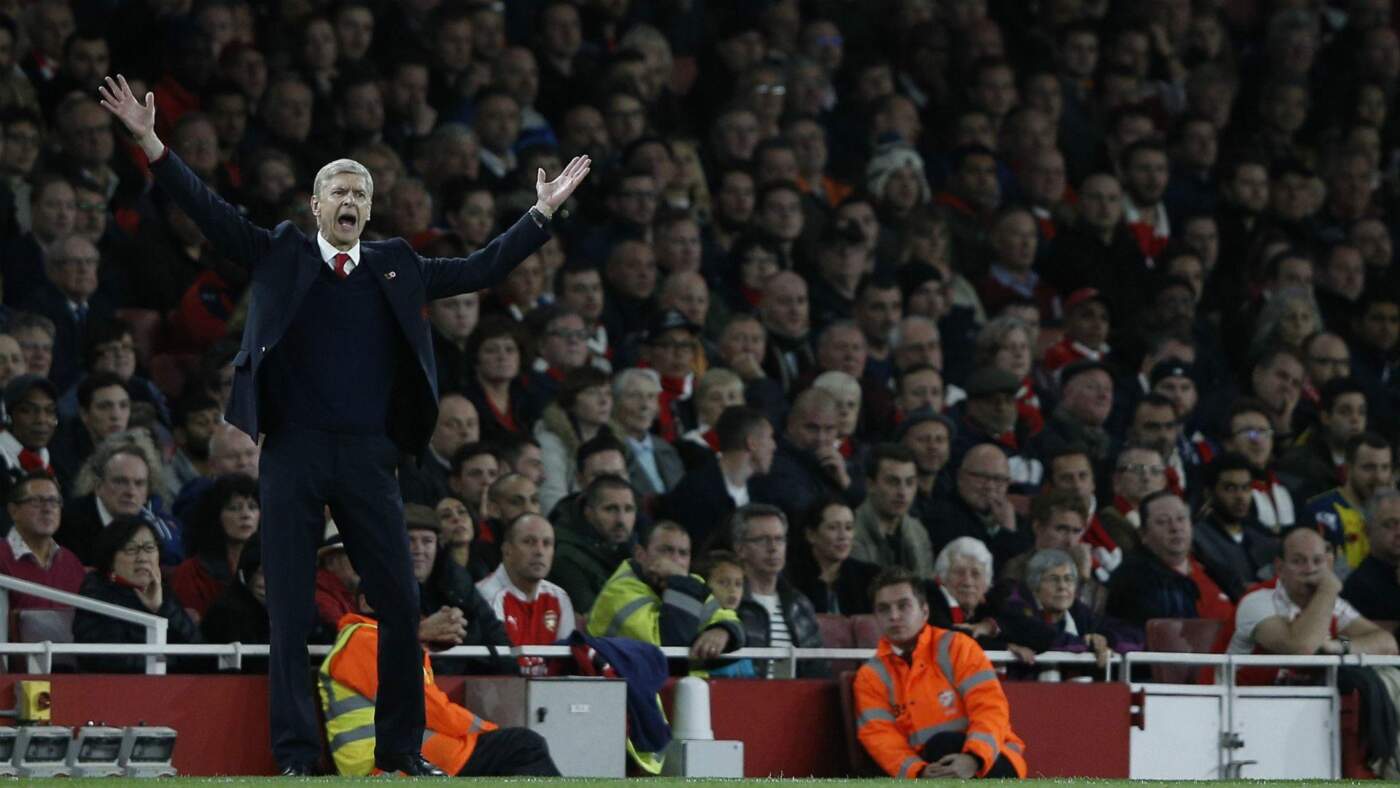
Arsene Wenger, the celebrated former manager of Arsenal Football Club, has reshaped the landscape of football with his innovative approach and tactical acumen. His tenure at Arsenal from 1996 to 2018 is marked by a commitment to attacking football, fostering young talent, and a unique approach to sports science, which has left a lasting legacy in the Premier League and beyond.
Wenger’s Impact on Arsenal and Beyond
During his 22 years with Arsenal, Wenger secured three Premier League titles and seven FA Cup victories, including the historic 2003-04 season when Arsenal went unbeaten, a feat that earned them the nickname ‘The Invincibles’. His philosophy emphasized technical skill and creativity over sheer physicality, setting a new standard for playing style in English football. Beyond trophies, Wenger is credited with revolutionising player training and nutrition, which influenced how clubs operate today.
Current Developments and Future Prospects
Though Wenger stepped down from management, he continues to influence the game as FIFA’s Chief of Global Football Development. Recently, Wenger has been advocating for changes in football regulations, including the controversial proposal for a biennial World Cup, aimed at increasing global engagement with the sport. His insights into player welfare and development are crucial as football faces challenges such as fixture congestion and athlete burnout.
Conclusion
The significance of Arsene Wenger’s contributions to football extends beyond his impressive trophy haul. As a pioneer in many aspects of the game, his approach to team management and player care has set a high benchmark for aspiring coaches and clubs worldwide. As he continues to shape future generations through his role at FIFA, it is clear that Wenger’s legacy will endure in the fabric of the game. Football enthusiasts can only wonder how his visionary ideas will further influence the evolution of the sport in the coming years.