Introduction
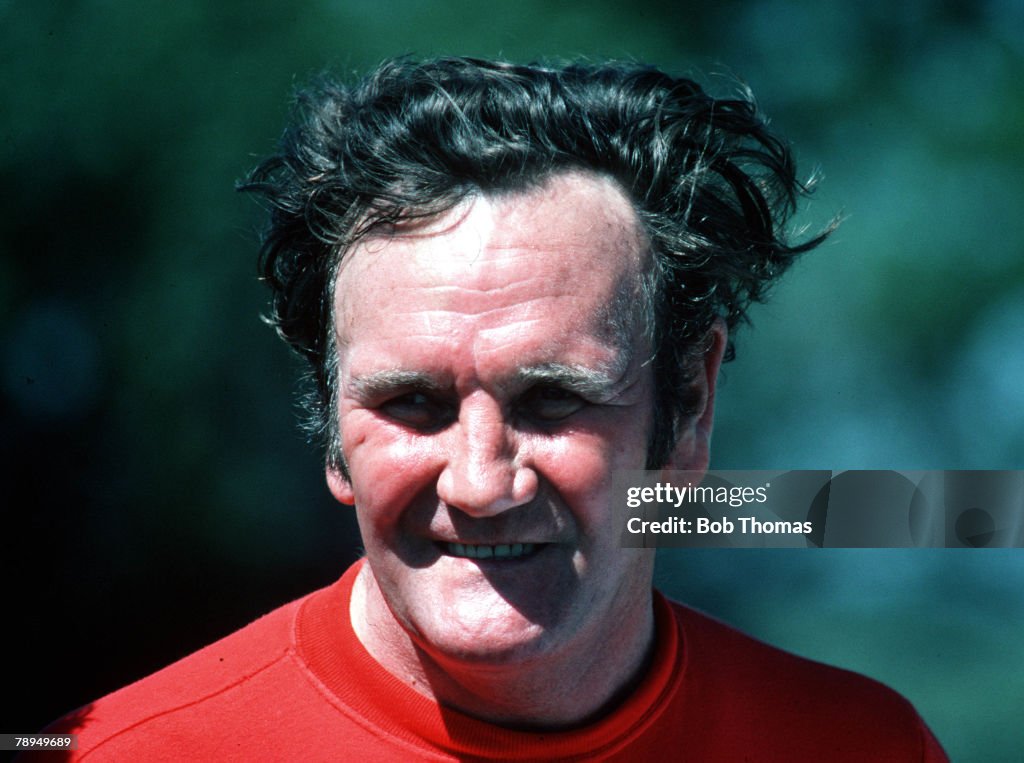
Don Revie, a name synonymous with English football, is remembered as one of the sport’s most influential figures. His managerial career, especially with Leeds United, transformed the club into a powerhouse during the late 1960s and 1970s. Revie’s innovative tactics and commitment to player welfare have left an indelible mark on football, making it essential to revisit his contributions to the sport in light of current discussions surrounding managerial styles and player development.
Revie’s Managerial Tenure at Leeds United
Don Revie took the helm at Leeds United in 1961 and, over the next 13 years, led the club to numerous successes. Under his stewardship, Leeds won two First Division titles and an FA Cup. Revie’s managerial genius lay in his ability to build a strong team, favouring a cohesive unit over individual stardom. His 1972 FA Cup victory, in particular, remains a highlight, celebrated as a hallmark of team spirit and tactical awareness.
Innovations in Coaching and Training
Revie was not just a tactician; he was a pioneer in player welfare and training methods. He introduced innovative coaching techniques, focusing on the physical and psychological preparedness of his players. The comprehensive training regimes and attention to nutrition set new standards in the English game, influencing future generations of coaches and players alike.
International Management and Legacy
Revie’s career took a new turn when he became the manager of the England national team in 1974. While his tenure was met with challenges and limited success, it was marked by a clear vision of modernising the national squad. Revie’s approach put emphasis on teamwork and discipline, traits that are now essential in modern football. Even after his departure from football management, his philosophies continued to resonate, with many seeing him as a formative influence on future managerial styles.
Conclusion
Don Revie’s legacy is significant not only for Leeds United but also for English football as a whole. His emphasis on player development, team cohesion, and innovative tactics reshaped the landscape of the sport. As current clubs look for inspiration in modern management techniques, Revie’s impact serves as a reminder of the game’s evolution and the importance of strong leadership. His life and career continue to be a case study in effective management, with lessons applicable to both current and future generations of coaches and players.