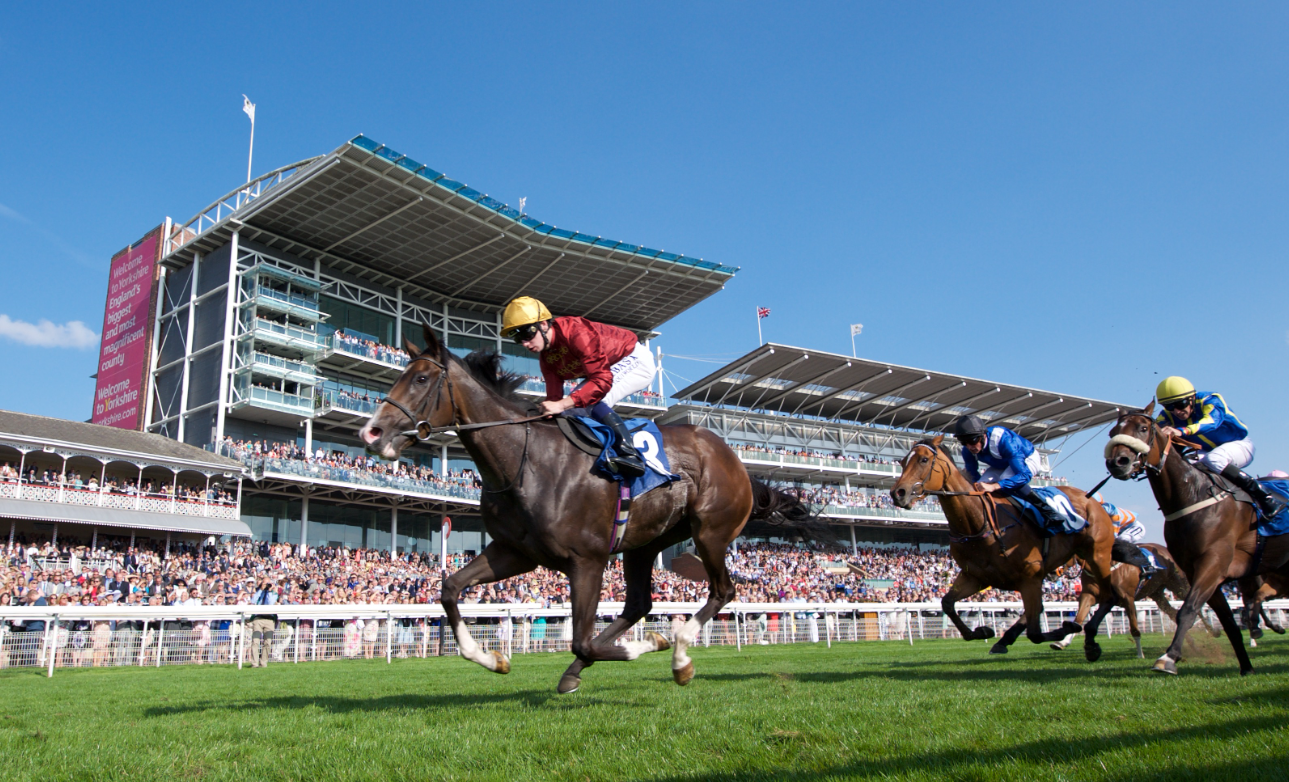
Visitors arriving in York in 2026 find a flat-racing venue with history, city access, and a busy summer calendar. The first meeting on the Knavesmire took place in 1731, and York Racecourse still shapes many travel plans around major racedays. The 2026 season includes meetings such as the June Meeting and the Ebor Festival, so planning matters before tickets, trains, or hotels are chosen. For many visitors, York races are as much about timing, viewing areas, and racecards as about the horses themselves. A sensible day also means setting a GBP budget before food, travel, and betting decisions begin.
History, Knavesmire layout and major meetings
The setting gives the course much of its identity because the open Knavesmire has shaped how racegoers experience the track. York Racecourse grew from a historic racing site into a modern flat-racing venue with stands, hospitality areas, and a strong festival programme. The layout is wide and open, so weather, walking distance, and viewing position can affect the day. Many local visitors still connect the venue with the older phrase knavesmire racecourse, especially when discussing the land and history around the track. Major meetings bring bigger crowds, so a visitor should read the fixture details before assuming every raceday feels the same.
How the course developed on the Knavesmire
Racing in the city existed before the modern track, but the move to the Knavesmire made the venue more recognisable. Racing developed there after work was needed to level and drain the land for a usable course. That history still matters because the track has an open feel rather than a compact city-stadium shape. York racing now combines that older landscape with modern grandstands, hospitality and a full seasonal calendar. A first-time visitor should understand that the setting is part of the experience, not just a backdrop.
| Period | Venue fact | Racing importance | Visitor meaning |
| Early city racing | Racing existed before the current course | Local tradition was already strong | History adds context |
| 1731 meeting | First meeting on the Knavesmire | Modern course identity began | Historic appeal |
| Flat-racing growth | Programme became more structured | Stronger seasonal profile | More planned fixtures |
| Modern stands | Facilities expanded over time | Larger raceday crowds | More enclosure choice |
| Festival era | Ebor week became a major focus | National attention increased | Early booking helps |
Why the flat season matters here
The flat season gives York races a clear place in the British racing calendar. The course stages competitive races across spring, summer and late-season meetings. The venue attracts visitors who want strong sport without losing the city-break feeling of York itself. York horse racing becomes especially visible during Ebor week, when fields, crowds and form discussion all grow. That makes the meeting useful for form readers, casual visitors and those who enjoy the atmosphere of a major sporting day.
Tickets, enclosures and raceday visitor costs
Ticket planning changes the day before any horse is seen in the parade ring. Racedays can feel very different depending on enclosure, crowd size, weather and whether the visitor wants restaurants, lawns or a simpler race-viewing base. York Racecourse has several visitor areas, so first-time racegoers should compare access rather than buying only by price. GBP costs can vary by fixture and timing, especially around popular festival dates. Advance booking helps visitors avoid last-minute confusion, but it should still be matched to dress code, travel plans and group size.
County stand and paddock choices compared
The County Stand is generally the premium option, with stronger access to viewing lawns, elevated areas and selected bars. Grandstand and Paddock is more flexible for many visitors because it still offers parade ring viewing and a lively raceday feel. The Clocktower Enclosure can suit those who want a more relaxed base on selected days. York races are easier to enjoy when the chosen enclosure matches the visitor’s expectations rather than only the lowest price. The course also applies different dress expectations by area, so clothing should be checked before the trip.
Booking checks before a busy fixture
Prices at the York race course change by fixture, enclosure and booking period. A visitor comparing GBP options should separate the ticket itself from travel, food, drinks and possible betting money. Meetings with music or festival crowds can cost more than quieter racedays, so the cheapest visible ticket may not show the full day cost. The York race course can also feel very different when a group chooses hospitality rather than a general enclosure. Good planning means checking what the ticket includes, where the group can move and whether the racecard is part of the package.
Race form, fixtures and racecard reading
A racecard helps visitors connect the atmosphere with the sport itself. York horse racing is easier to follow when the runner, trainer, jockey, distance, class and going are checked before prices are discussed. The day can include different race types across one afternoon, so a single approach does not fit every contest. York races may also feel different when the field is large, the ground changes or a draw pattern becomes part of the discussion. For casual visitors, the racecard turns the day from guessing names into reading useful clues. For visitors planning horse racing york before a raceday, the useful checks are fixture date, enclosure access, gate-opening time, racecard details and the return route after the final race. This keeps the guide practical and helps beginners connect the racing schedule with transport, viewing areas and a clear GBP budget.
Key race types during festival week
The Ebor Festival gives the course one of its busiest and most recognisable weeks. It includes high-profile races across several days, and each card can mix speed, stamina and different age groups. The racing during this week attracts experienced form readers and visitors who only attend once a year. York racing during festival week should not be treated as one repeated race shape, because distance and class can change the picture quickly. Race type, field quality and recent form all affect how a runner’s chance is viewed.
Racecards, going reports and draw bias
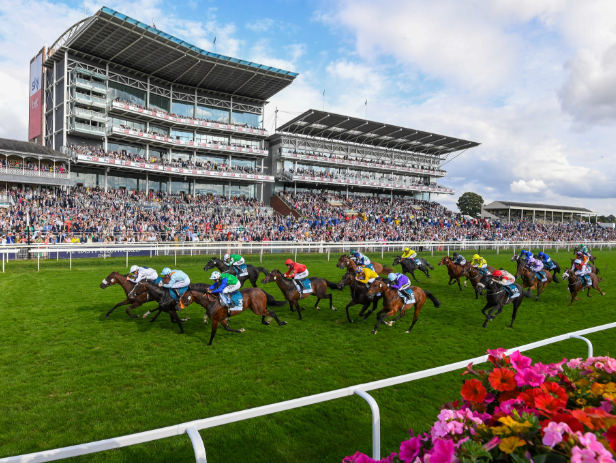
Before placing a bet, the visitor should look beyond the name of the horse. York horse racing can be affected by ground conditions, distance, pace and where a horse is drawn. The racecard brings these details together, while the going report gives a view of the surface.
- Going: Whether the ground is firm, good, soft or changing.
- Draw: A horse’s starting stall and possible track-position effect.
- Distance: Whether the race suits speed, stamina or both.
- Class: The level of competition and quality of opposition.
- Jockey booking: Rider choice, experience and stable connection.
These checks reduce confusion, but they do not predict a certain winner. A visitor should treat them as context for the race, not as a promise that one bet is correct.
Betting context, travel and responsible planning
A raceday is easier to manage when travel, timing and spending are decided early. A racing day often involves several hours on site, especially when visitors arrive before the first race and stay for the final contest. York Racecourse sits close enough to the city to support train, taxi, walking and hotel plans, but busy fixtures still need time. A raceday plan should separate travel, timing and betting so each part remains easy to manage. Food, drink, racecards and betting should not all come from one unplanned pot of money.
Time management around the venue
Before travelling, visitors should check gate-opening times, entry queues and the location of their enclosure. They need to know when gates open, how long it takes to enter and where their enclosure sits. The venue can feel spacious, but moving between bars, lawns, toilets and viewing areas still takes time on busy days. York Racecourse can also become harder to navigate when groups split up near the parade ring or food areas. Arriving early gives a visitor time to settle in rather than walking straight to the rail.
Bankroll limits and race schedule breaks
A betting plan should sit beside the travel plan, not appear after the first losing race. Racing days include natural breaks between races, and those breaks are useful for checking spend rather than chasing the next result. Visitors should separate food and travel money from betting money before arriving. York racing can create strong atmosphere, but emotion should not decide the size of every stake.
- Choose daily budget: Set a total amount for the raceday before arriving.
- Separate costs: Keep food, travel and betting money in different mental pots.
- Check race times: Use the schedule to avoid rushed bets before the off.
- Take breaks: Step away between races when emotion rises.
- Review final spend: Look at the day honestly before leaving the course.
A good raceday plan protects the enjoyment of the venue. It also helps visitors avoid treating the final race as a way to fix the whole afternoon.
Comparison with UK racing venues and size
York is often compared with other leading British racecourses because it combines history, city access and major flat racing. York is best compared with other British racecourses by access, facilities, crowd capacity and fixture profile. The venue may be described as large or prestigious, but size can mean land, crowd capacity, fixture importance or facilities. York horse racing is especially strong for visitors who want a major track without leaving the city too far behind. That balance makes the course different from rural tracks and from venues dominated by jump racing.
| Pros | Cons |
| The fixture structure helps visitors plan arrival, race viewing, food breaks and departure with less confusion. | Festival crowds can make movement, queues and last-minute enclosure decisions more stressful. |
| The historic setting gives the raceday a strong sense of place beyond the betting market alone. | Weather exposure and travel timing can affect comfort, especially for visitors staying outside the city. |
| Racecards, parade-ring access and clear enclosure choices help beginners understand the day before betting. | Busy summer dates can raise total costs when tickets, hotels, food and transport are planned late. |
Size, prestige and visitor criteria
The size question needs care because there is no single measure that answers every version of the debate. A course can be described by crowd capacity, acreage, prize money, festival profile, facilities or enclosure size. The wording biggest racecourse in uk should not be used as a direct claim about York unless the metric is defined and sourced. York can be described more safely as a major British flat-racing venue with a nationally recognised festival programme, a premier County Stand, the largest Grandstand & Paddock enclosure and a city-access location within a mile of the city centre. For visitors, the practical point is whether the venue feels manageable, accessible and suited to the day they want.
Access, city stays and seasonal crowds
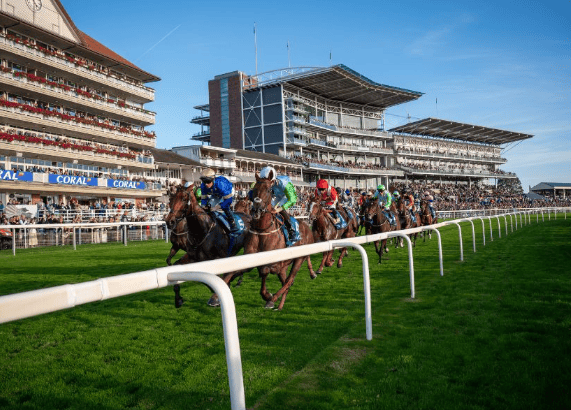
A trip to this venue can work well as a city break because York has hotels, restaurants, rail links and visitor attractions. That convenience can also raise demand around major fixtures, so accommodation should be checked early. A Yorkshire racecourse visit is easiest when the return route is planned before the final race. The course is not isolated, but popular days can still create pressure around taxis and station movement. Seasonal crowds make the atmosphere stronger, but they also make timing more important.
FAQ about tickets, arrival and raceday choices
What makes the meetings different from other UK fixtures?
The meetings stand out because they combine a historic venue, strong flat racing and easy access to the city. The setting on the Knavesmire gives the day an open feel rather than a closed stadium atmosphere. Visitors also get a broad choice of enclosures, from premium areas to more relaxed race-viewing spaces.
When should visitors buy tickets for busy fixtures?
Visitors should buy tickets early for festival days, music racedays and popular summer fixtures. Prices and availability can change as the meeting approaches, especially for premium areas. Group visitors should check enclosure access before booking so everyone can stay together.
How early should racegoers arrive before first race?
Racegoers should arrive early enough to enter calmly, find their enclosure and read the racecard before the first race. Bigger meetings need more time because queues, transport and group movement can slow the start. Early arrival also gives visitors a chance to see the parade ring and understand the day’s schedule.
What should beginners check before placing a bet?
Beginners should check the racecard, distance, going, draw and recent form before placing any bet. They should also decide a GBP limit before the first race and avoid chasing losses later. Betting should remain part of the raceday, not the reason to ignore budget or time.