Introduction
The ban on Telegram in Russia has garnered significant attention as it raises critical questions about censorship, privacy, and freedom of communication. As one of the most used messaging platforms in the country, Telegram plays a vital role in how Russians share information, organise protests, and communicate. Understanding the implications of this ban is essential for both Russian citizens and the international community, especially in the context of ongoing governmental attempts to control digital information.
Background on the Ban
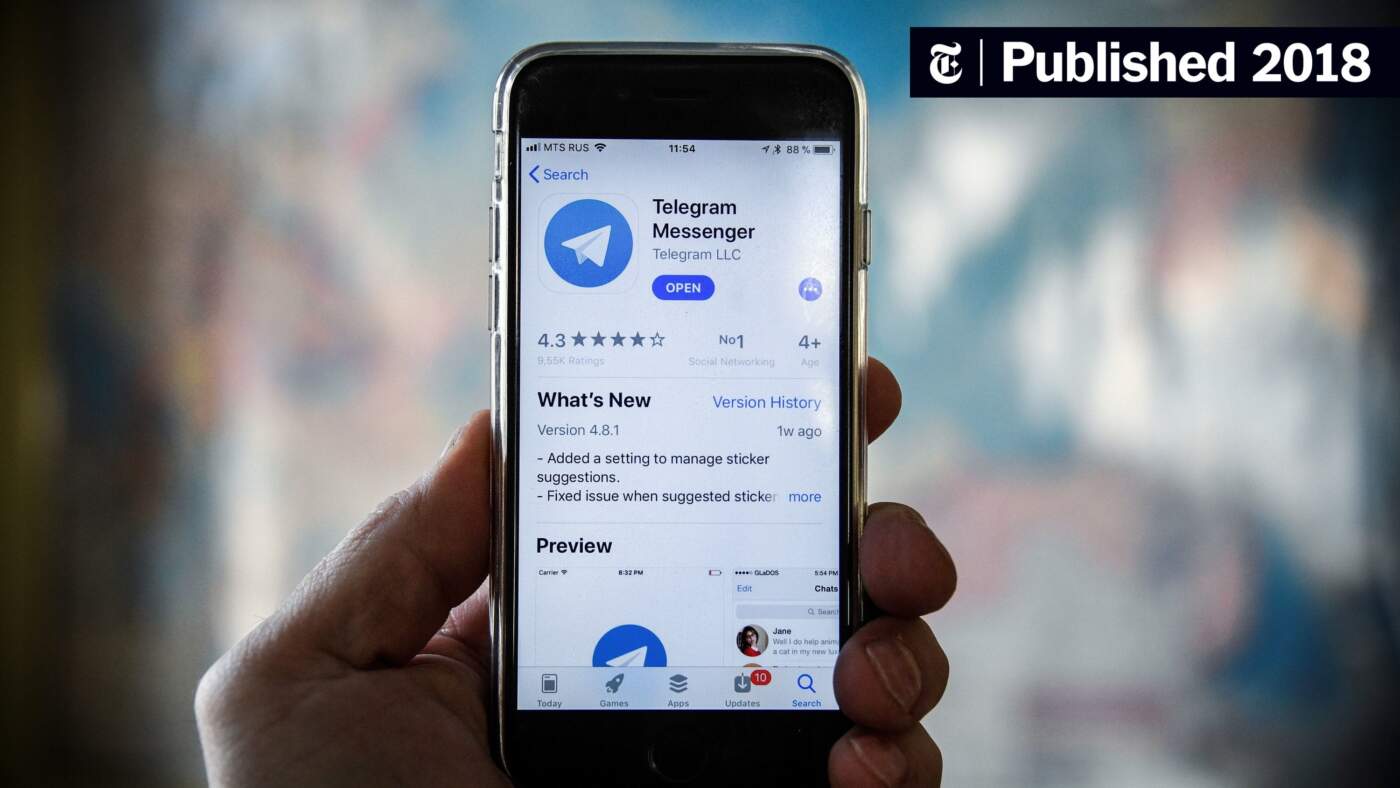
Telegram, founded by Russian entrepreneur Pavel Durov in 2013, quickly gained popularity owing to its security features and user-friendly interface. However, in 2018, the Russian government attempted to block the app over the refusal to provide access to users’ encryption keys. Although the ban was not fully effective due to various circumventions by users, it highlighted the government’s ongoing efforts to regulate digital communication.
Recent Developments
In October 2023, reports emerged that the Russian government plans to strengthen its crackdown on Telegram and other encrypted messaging services. Officials cite concerns over extremism and the spread of misinformation as reasons for the renewed efforts. The government’s media watchdog, Roskomnadzor, has been instructed to monitor channels more closely, focusing on groups deemed to be promoting unrest or opposing the state. This move aligns with a broader trend of tightening internet controls in Russia, especially following large-scale protests and political dissent.
Impact on Communication
The implications of the Russia Telegram ban extend beyond individual privacy concerns. Many activists rely on Telegram to communicate securely and organise. The ban could hinder their activities, as they may be forced to utilise less secure channels or face increased surveillance. Additionally, the shift may lead users to other messaging services perceived as less risky but possibly less secure.
Conclusion
As the Russian government continues to tighten its grip on digital platforms, the Telegram ban serves as a crucial example of the broader battle over internet freedom and control. The situation remains fluid, and future implications could lead to more significant consequences for both communication in Russia and for digital rights globally. Observers expect increasing scrutiny from international human rights organisations in response to these developments, highlighting the need for ongoing discourse about freedom of expression and the digital landscape in authoritarian regimes.