Introduction
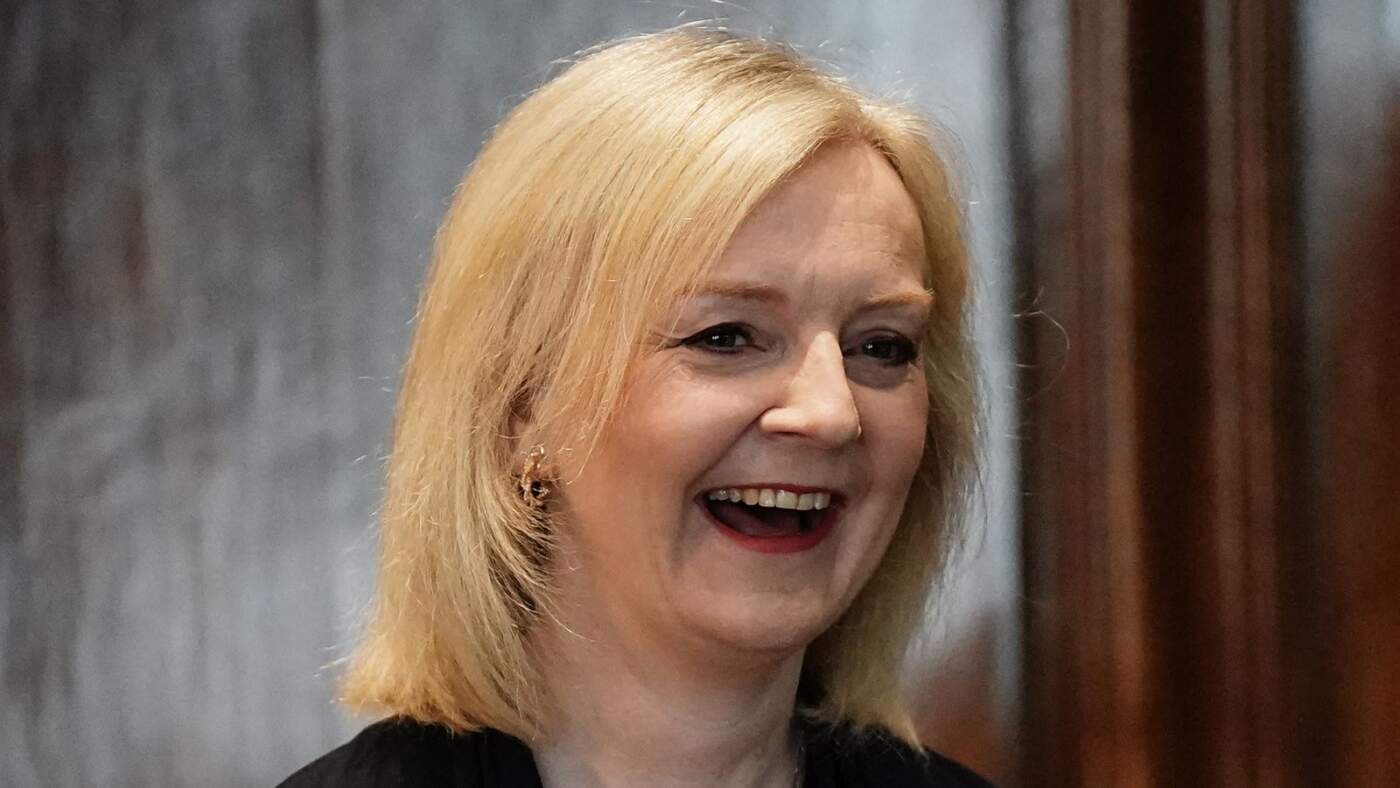
Since taking office as Prime Minister in September 2022, Liz Truss has remained a significant figure in UK politics, even after her short-term tenure. Her policies, decisions, and unique approach to governance continue to generate discussions on the political landscape of the United Kingdom. Understanding her political journey is crucial for contemplating the future direction of the Conservative Party and the nation itself.
Political Ascendancy
Born on July 26, 1975, in Oxford, Liz Truss attended Merton College, Oxford, where she studied Philosophy, Politics, and Economics. She began her political career in 2010 when she was elected as the Member of Parliament for South West Norfolk. Over the years, she has held various key positions, including Secretary of State for Environment, Food and Rural Affairs, and Secretary of State for International Trade.
Tenure as Prime Minister
In a remarkable and tumultuous period for the UK, Liz Truss ascended to the office of Prime Minister after Boris Johnson’s resignation. Her government focused heavily on economic reforms, particularly aiming to stimulate growth through tax cuts and deregulation. However, her proposed policies faced significant backlash, culminating in a crisis that led to a dramatic loss of confidence both in her leadership and Conservative governance.
Challenges and Resignation
Truss’s leadership was marred by a rapidly deteriorating economic situation, particularly following the mini-budget presented by her Chancellor, Kwasi Kwarteng, which resulted in market turmoil and a plummeting pound. The backlash was swift and severe, leading to an internal party revolt and, ultimately, her resignation on October 20, 2022, making her the shortest-serving Prime Minister in UK history.
Aftermath and Impact
Despite her brief tenure, Liz Truss’s impact on UK politics is still being analysed. Her policies and the response to them acted as a catalyst for discussions on fiscal responsibility and party unity within the Conservative ranks. As the party seeks to regroup and regain public confidence, Truss’s brief time in office serves as a cautionary tale about the complexities of governing in a challenging economic environment.
Conclusion
In the wake of Liz Truss’s resignation, the Conservative Party finds itself at a crossroads. Her policies and the fallout from her administration will likely influence the party’s strategic direction for years to come. For readers interested in the current political climate, examining Truss’s journey offers valuable insights into the ongoing discourse surrounding economic policy, governance, and party dynamics in the UK.