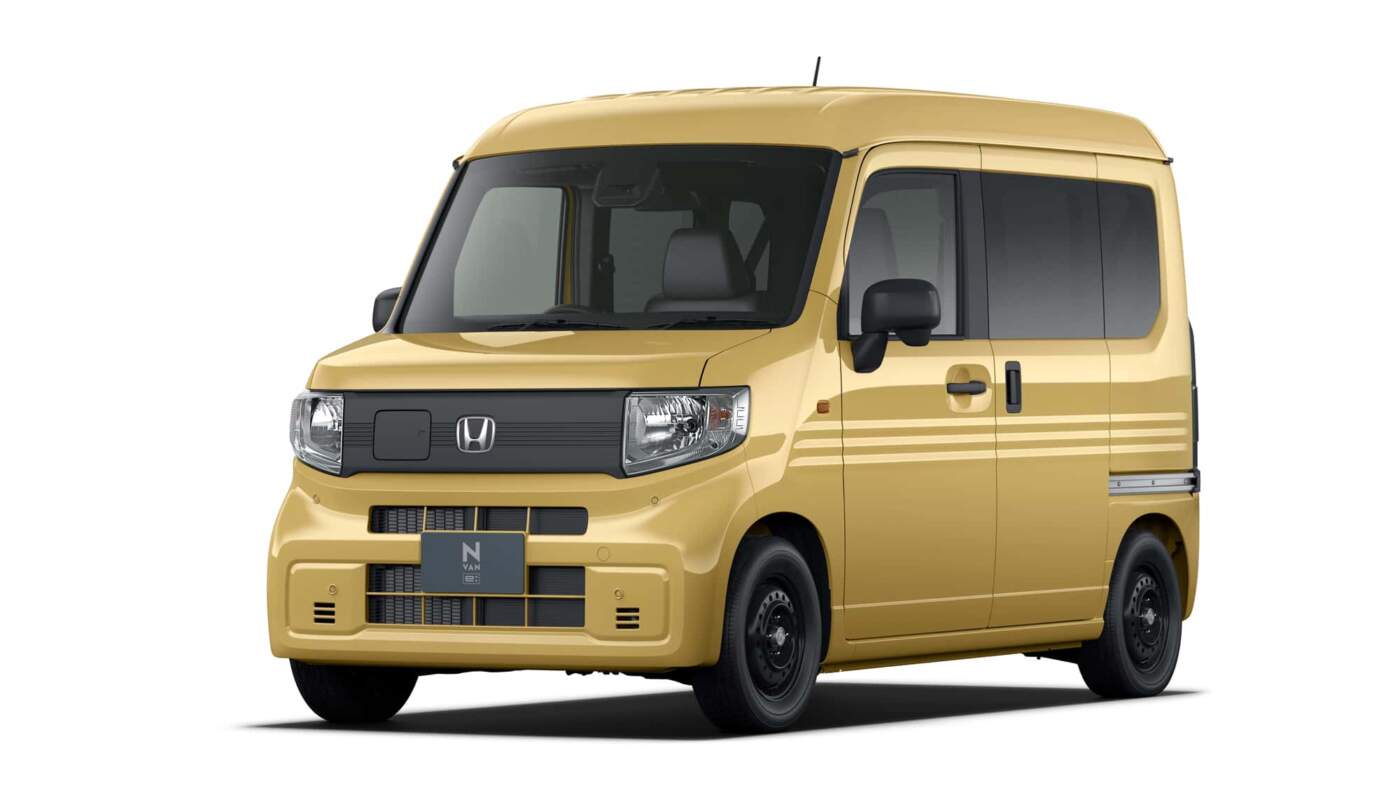
Introduction to Kei Cars
Kei cars, or “K-car,” are a category of small cars in Japan, designed to offer compactness and efficiency. With the ever-growing challenges of urbanisation, traffic congestion, and environmental concerns, kei cars have gained immense popularity due to their modest size, affordability, and fuel efficiency. With a strict limitation on dimensions and engine capacity, these vehicles are a practical solution for navigating crowded city streets.
The Growth of Kei Cars
According to the Japan Automobile Manufacturers Association, there were over 2 million registered kei cars in Japan as of 2022, making up about 40% of new vehicle registrations. The kei car segment has seen steady growth due to various factors, including urbanisation, a rising number of single-person households, and the push for environmentally friendly vehicles. Furthermore, the government offers tax incentives and subsidies for kei car owners, making them an attractive choice for new drivers and families.
Features and Benefits
Kei cars typically have an engine displacement of 660cc or less and are no longer than 3.4 meters (11.2 feet) and wider than 1.48 meters (4.86 feet). This compact size allows for easy parking and maneuverability in tight spots, a significant advantage in Japan’s densely populated cities. Additionally, kei cars are designed to be fuel-efficient, averaging around 20 to 25 km/litre, which contributes to lower operating costs and reduced environmental impact.
Market Trends and Challenges
While kei cars dominate the domestic market, they also face challenges from the growing interest in electric and hybrid vehicles. Manufacturers like Suzuki, Daihatsu, and Honda continue to innovate, introducing new models that incorporate advanced technology and eco-friendly materials. Concurrently, the increasing popularity of shared mobility services and e-commerce delivery services influenced the design and functionality of these vehicles, offering greater versatility and utility.
Conclusion
The future of kei cars looks promising as they adapt to the changing landscape of urban transportation. As cities become more crowded and sustainable lifestyles are encouraged, kei cars are set to remain a significant player due to their affordability and efficiency. Their relevance extends beyond just being a vehicle; they represent a practical solution to Japan’s urban mobility challenges, making them a model for cities worldwide seeking innovative transportation solutions.