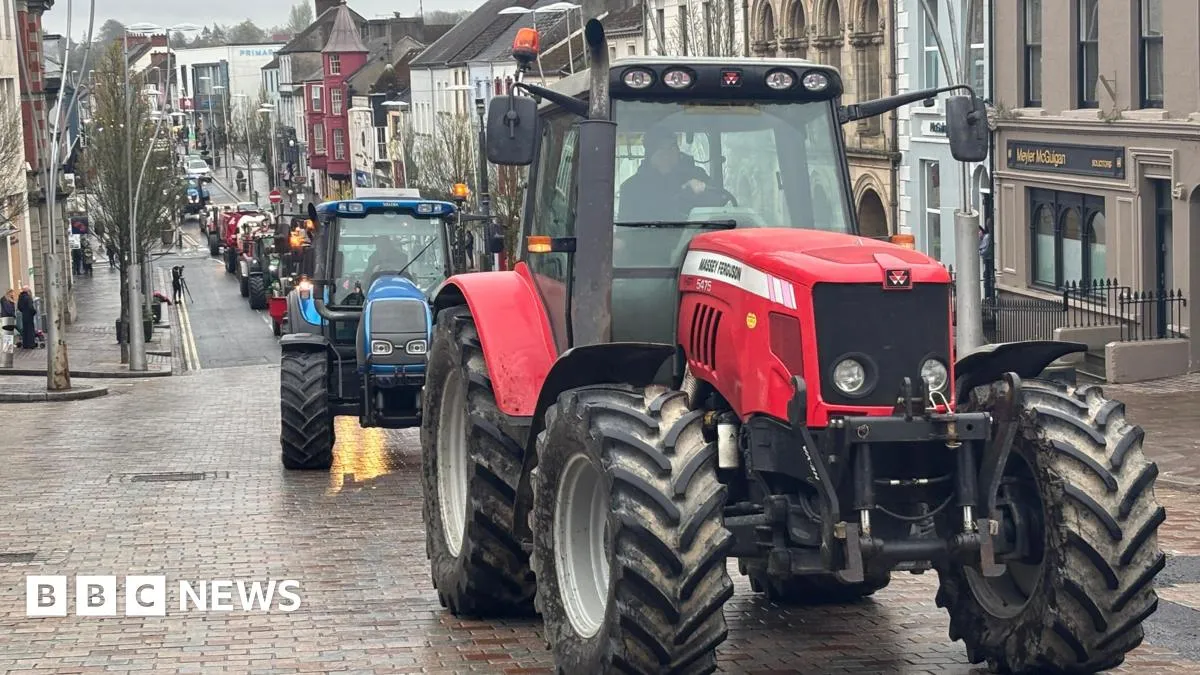
Fuel protests are causing major traffic disruption in Northern Ireland, with significant delays reported along key routes including the M1, Westlink, and Sandyknowes. The protests are particularly impactful in the Newry area, a vital link for commercial transportation between Belfast and Dublin.
Recent figures reveal a staggering increase in fuel prices, with petrol rising from 124.8p to 153.1p per litre and diesel from 132.6p to 185.6p per litre. This surge in costs has prompted urgent calls for government intervention from the first and deputy first ministers, who emphasize the pressing need to address the financial strain on households and businesses.
“At a time when rising fuel prices and crushing taxes are pushing everyone to the brink, we will not stand by and watch,” stated a representative from the Locals First Initiative, highlighting the community’s growing frustration. The initiative also warned, “If they go under, we all feel it… in our food, our jobs and our cost of living.”
The ongoing protests come in the wake of a broader context, with the conflict in the Middle East contributing to rising household energy and food bills. As the situation escalates, the police are actively monitoring planned protests across Northern Ireland, issuing warnings for motorists to seek alternative routes.
In a concerning development for local businesses, Lynas Foodservice reported a staggering £20,000 weekly increase in their fuel bill, underscoring the economic impact of the situation. The first minister acknowledged the challenging financial position of the executive, attributing it to decisions made in London, while also noting the limited fiscal powers of the assembly.
As the community grapples with these challenges, observers are keenly watching how the government will respond to the mounting pressures from both the public and businesses. The situation remains fluid, and details regarding the protests and their impact continue to unfold.