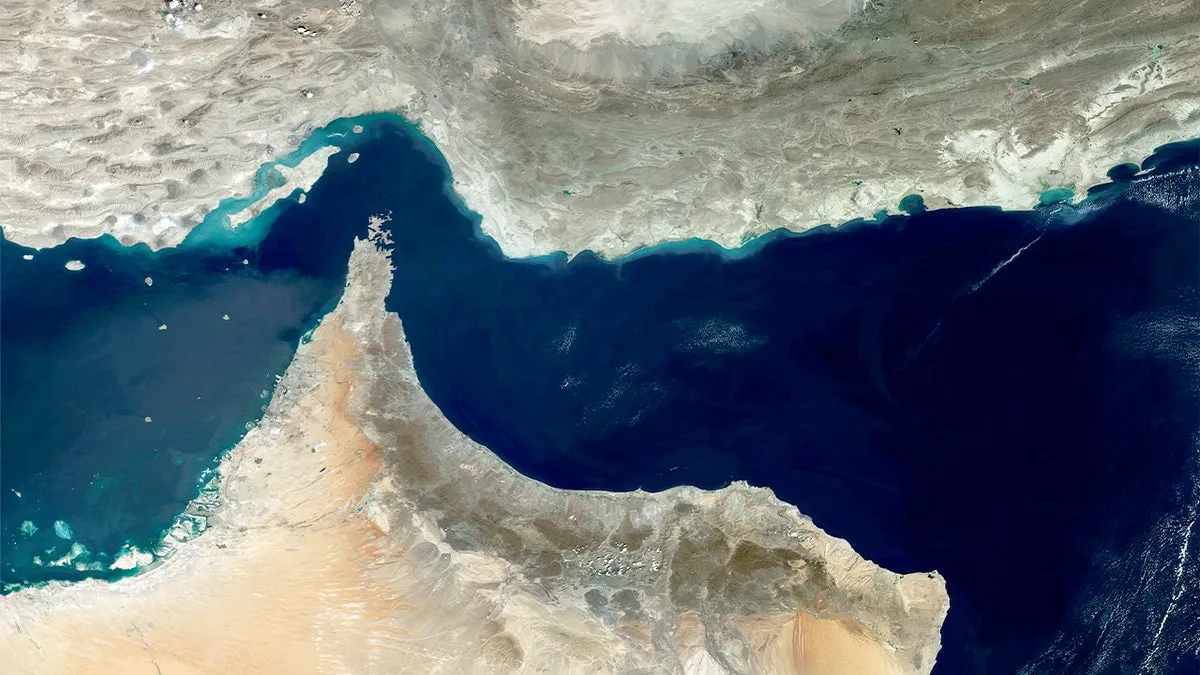
In a dramatic escalation of tensions in the Middle East, Donald Trump announced that the United States will begin blockading the Strait of Hormuz on April 12, 2026, following failed peace negotiations with Iran that lasted 21 hours. This strategic waterway is crucial, as it facilitates the transit of one-fifth of the world’s oil and liquefied natural gas shipments. The blockade aims to prevent Iran from charging tolls to tankers, a move that has already sent oil prices soaring, with US crude oil rising 8% to $104.24 a barrel.
Effective immediately, Trump declared, “the United States Navy, the Finest in the World, will begin the process of BLOCKADING any and all Ships trying to enter, or leave, the Strait of Hormuz.” This statement underscores the seriousness of the situation as the US Navy prepares to interdict vessels that have paid Iran since the onset of the conflict. The US Central Command confirmed that the blockade would commence at 10am ET (2pm GMT), marking a pivotal moment in the ongoing tensions.
The backdrop to this blockade is a war that began on February 28, when the US and Israel launched military operations against Iran, resulting in significant casualties and infrastructure damage. Reports indicate that approximately 3,000 people have been killed in Iran since the conflict began, raising concerns about the humanitarian impact of continued hostilities.
Iran’s Revolutionary Guards have responded with warnings, stating that any military vessels approaching the strait would be considered a violation of the ceasefire. This warning highlights the precarious nature of the situation, as both sides remain on high alert. Iran has also denied US claims that two of its warships passed through the strait for mine-clearing operations, further complicating the narrative surrounding the blockade.
As the blockade takes effect, oil prices are expected to remain volatile. Brent crude oil also saw a 7% increase, reaching $102.29 per barrel. The implications of this blockade extend beyond immediate price hikes; nations dependent on Iranian oil, such as China, may respond in ways that could further escalate tensions in the region. Observers are closely monitoring how these nations will react to the US’s aggressive stance.
Details remain unconfirmed regarding how the US will determine which vessels have paid Iran a toll, adding another layer of uncertainty to the situation. Additionally, the exact number of mines laid by Iran in the strait remains unclear, which could pose significant risks to maritime navigation and safety in this vital shipping lane.
As the world watches these developments unfold, the call for peace remains urgent. Oman’s Foreign Minister Badr Albusaidi has urged that the ceasefire be extended and talks continue, emphasizing the need for diplomatic solutions in the face of escalating military actions. The situation in the Strait of Hormuz is a stark reminder of the delicate balance of power in the region and the far-reaching consequences of geopolitical conflicts.