The Importance of Monitoring Inflation
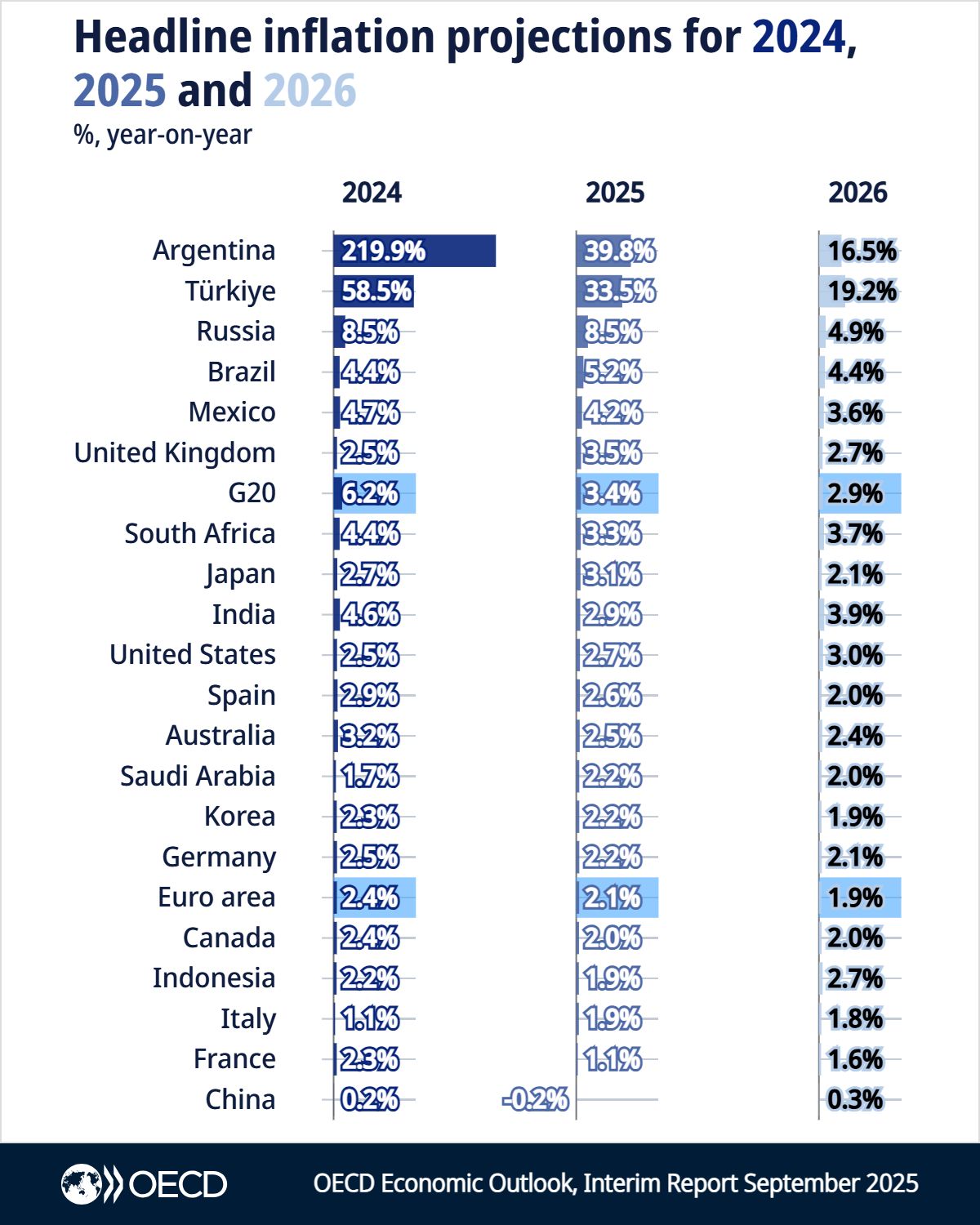
Inflation has a profound impact on economic stability, purchasing power, and overall consumer confidence. As we look ahead to 2026, understanding inflation trends becomes crucial for planning both at the individual and governmental level. With the recent volatility in global markets, the inflation rate is expected to influence monetary policy decisions, investment strategies, and even international trade relations.
Current Inflation Landscape
As of 2023, many economies around the world are grappling with heightened inflation levels following the disruptions brought by the COVID-19 pandemic and ongoing geopolitical tensions. According to the Bank of England, the UK inflation rate has fluctuated around 5% to 6% in recent months but is projected to decline gradually over the next few years. Predictions made by several economists suggest that, by 2026, inflation rates could stabilise closer to the Bank’s target of 2%, assuming no further major disruptions.
Factors Influencing Inflation in 2026
Several key factors are poised to influence inflation trends leading into 2026:
- Monetary Policy: Central banks are likely to adjust interest rates in response to inflation data. An increase in interest rates may help to control inflation but could also dampen economic growth.
- Supply Chain Recovery: A return to pre-pandemic levels of efficiency in global supply chains can alleviate some cost pressures that drive inflation.
- Labour Market Conditions: A tight labour market may lead to wage increases, which in turn can spur inflation if productivity does not keep pace.
- Energy Prices: Fluctuations in oil and gas prices can have immediate impacts on inflation rates, especially in an energy-dependent economy like the UK.
Predictions and Considerations
Economists agree that while inflation is likely to be lower than the peak experienced in 2022 and 2023, consumer price index (CPI) changes will still be noteworthy in 2026. Predictions suggest a potential range of inflation from 2% to 4%, contingent on various economic inputs and global conditions.
Conclusion
Understanding inflation rates and their evolving landscape is essential for financial planning and policy-making. Stakeholders, from policymakers to consumers, should stay informed and prepared to adapt to the anticipated economic dynamics leading up to 2026. By closely monitoring these trends, we can better navigate the implications of inflation on personal finance, investments, and economic growth.