Introduction
Inflation remains a pivotal topic in economic discussions, particularly as it affects consumer purchasing power and overall economic stability. In recent months, the UK has witnessed significant fluctuations in inflation rates, which have prompted concerns among policymakers and consumers alike. Understanding the current inflation trends is crucial for predicting future economic conditions and making informed financial decisions.
Current Inflation Trends
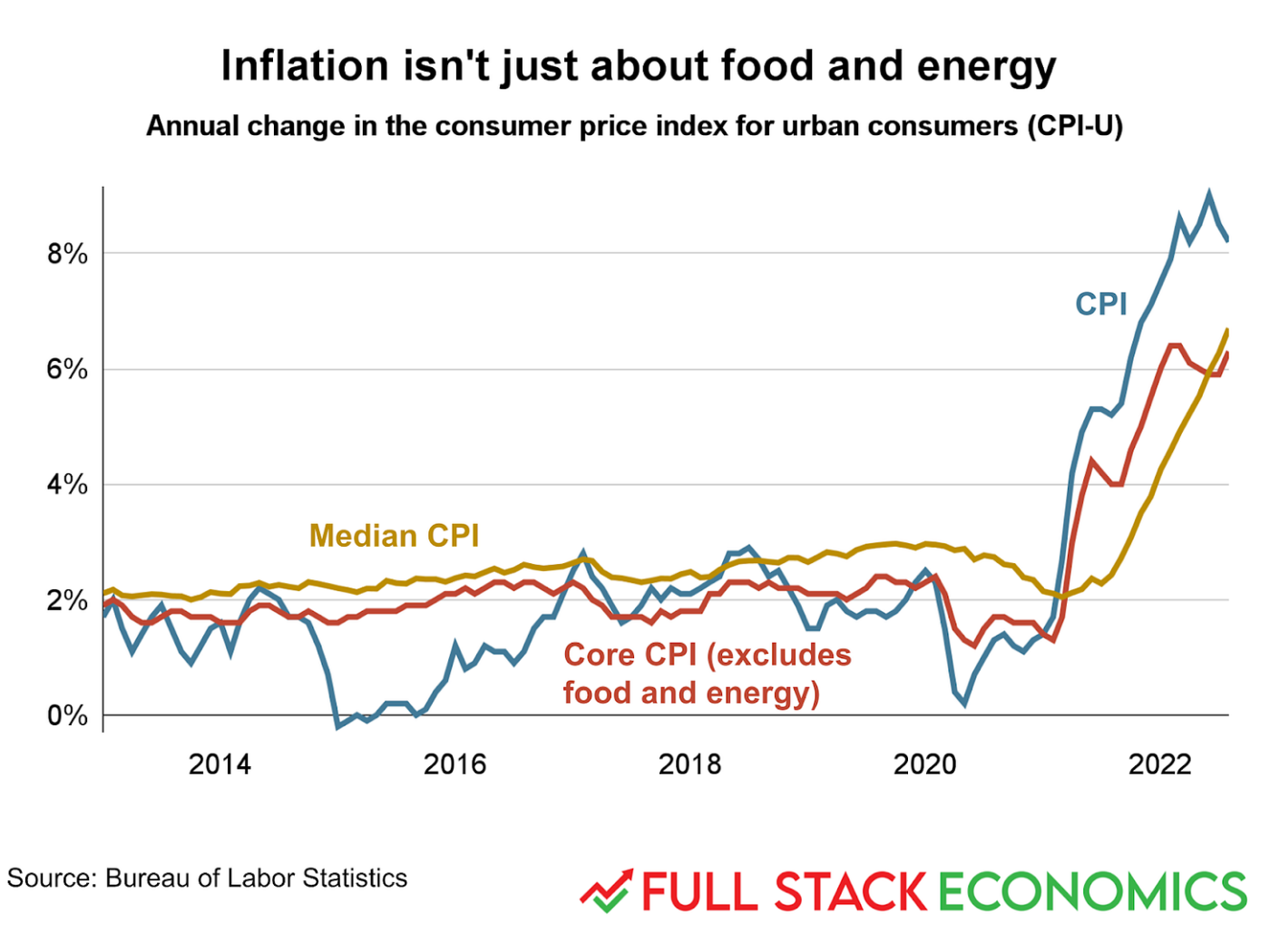
As of October 2023, the UK’s inflation rate has seen a marked shift. According to the Office for National Statistics (ONS), the Consumer Prices Index (CPI) rose to 4.3%, showing signs of stabilisation compared to previous highs of nearly 11% recorded in late 2022. This gradual decline has attributed to easing supply chain disruptions and falling energy prices, which had previously caused a surge in living costs.
Economic Factors Influencing Inflation
Several factors are influencing the present inflation scenario in the UK. One crucial component is the Bank of England’s monetary policy. In response to rising prices, the central bank raised interest rates several times in 2022 and early 2023, aiming to temper spending and investment. Additionally, increases in wages due to labour market tightening have also contributed to inflationary pressures. As companies pass on their increased labour costs to consumers, prices continue to rise.
Another significant aspect is the global economic landscape. Recovery from the pandemic has led to increased demand for goods and services, further straining supply chains. The conflict in Ukraine continues to affect food and energy supplies, contributing to volatility in prices.
Impact on Consumers and Businesses
The current inflation trends present both challenges and opportunities. For consumers, rising prices have made everyday goods more expensive, impacting household budgets. The increases are particularly noticeable in essentials like food, fuel, and utilities, putting pressure on low- and middle-income families.
On the other hand, for businesses, inflation can affect profit margins and pricing strategies. Companies must balance between passing costs to consumers and remaining competitive. The uncertainty surrounding inflation also complicates investment decisions and long-term planning.
Conclusion
As inflation in the UK stabilises, continued monitoring of economic indicators will be essential for understanding future trends. Policymakers will need to address potential risks, such as the reaction of inflation to further geopolitical events and changes in consumer behaviour. For readers, staying informed about inflation and its impacts can help in making prudent financial choices in these unpredictable economic times.