Introduction
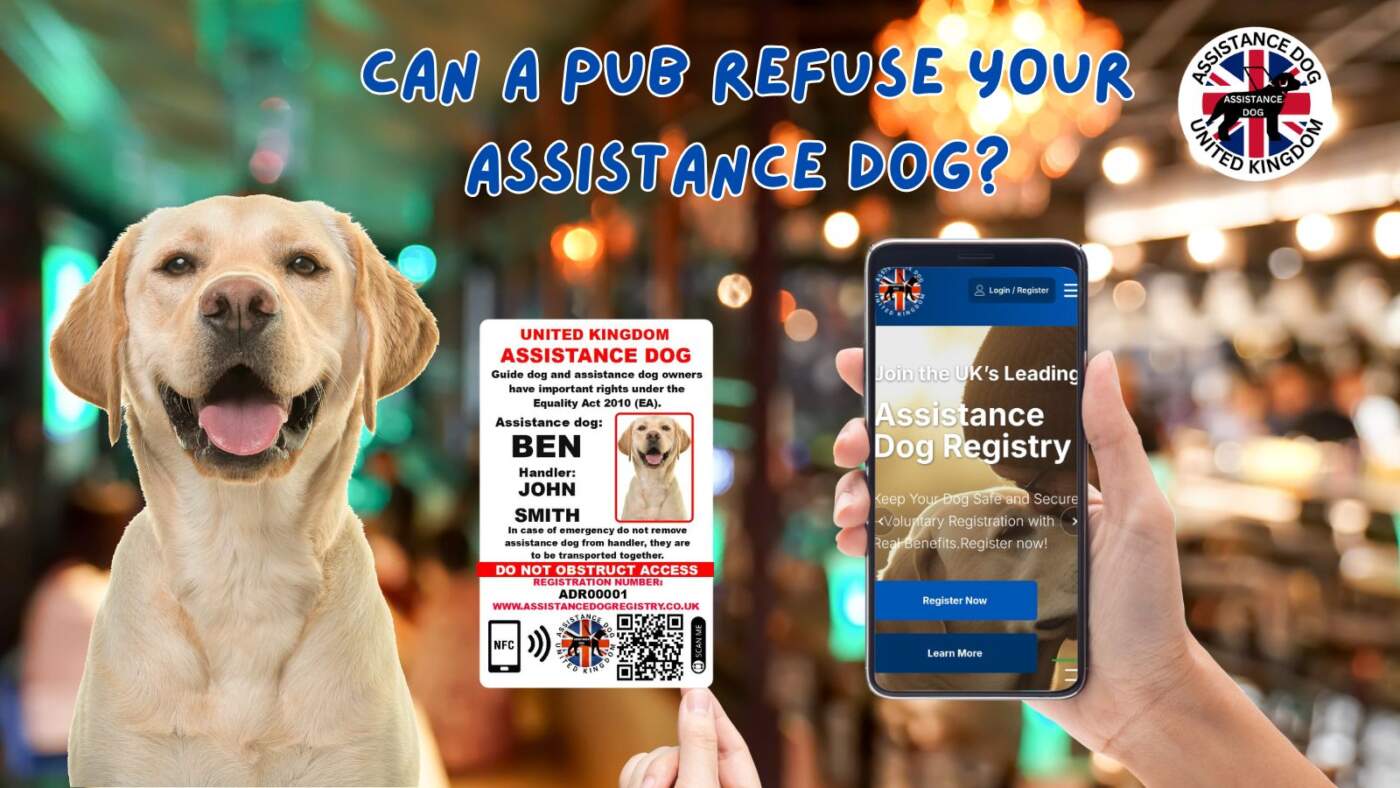
In recent years, the rights of individuals with disabilities have gained significant attention, particularly concerning the policies of public establishments regarding assistance dogs. JD Wetherspoon, a leading pub chain in the UK, has come under scrutiny for its assistance dog policy, raising questions about accessibility and inclusivity for patrons requiring the support of service animals. Understanding this policy is crucial for consumers and advocates alike, as it reflects broader societal attitudes toward disability and provides insight into the enforcement of legislation designed to protect disabled individuals.
Details of the Assistance Dog Policy
JD Wetherspoon has publicly stated that they welcome assistance dogs across all their outlets. The aim of this policy is to ensure that those relying on service animals are not hindered from enjoying the hospitality and services offered by the chain. As part of their commitment to inclusivity, pub staff are provided with training on the importance of respecting the rights of customers with assistance dogs. The statement from Wetherspoon clarifies that only officially recognised assistance dogs, such as guide dogs and dogs trained for specific disabilities, are permitted to enter their establishments.
According to reports, the chain has increased awareness among its employees regarding the legal framework surrounding assistance dogs, with reference to the Equality Act 2010, which protects disabled individuals from discrimination. However, challenges remain; some customers have reported instances of staff misunderstanding the policy, leading to unnecessary difficulties for patrons with assistance dogs.
Recent Events and Responses
In a recent incident that gained media attention, a customer was reportedly denied entry to a Wetherspoon pub due to their assistance dog. Following the outcry on social media and consequent media coverage, Wetherspoon management expressed their regret over the situation and reinforced their commitment to ensuring that all staff uphold the company’s assistance dog policy. The chain has since promised further training to enhance compliance and customer service regarding this sensitive issue.
Conclusion
The importance of JD Wetherspoon’s assistance dog policy resonates far beyond the realm of the pub chain itself. As public venues, their treatment of assistance dogs serves as a benchmark for other businesses. The commitment to a clear, inclusive policy not only benefits customers with disabilities but also reinforces a culture of acceptance and support. Looking ahead, ongoing education and awareness within the hospitality sector will be vital to eliminate misconceptions and ensure that all patrons, regardless of their needs, can enjoy public spaces without barriers.