Introduction
The UEFA Champions League is one of the most prestigious tournaments in club football, featuring top teams from across Europe. The format of this tournament is essential because it not only dictates how clubs will perform but also affects fan engagement and revenue generation. Consequently, understanding the Champions League format is crucial for fans and stakeholders alike.
Current Format Overview
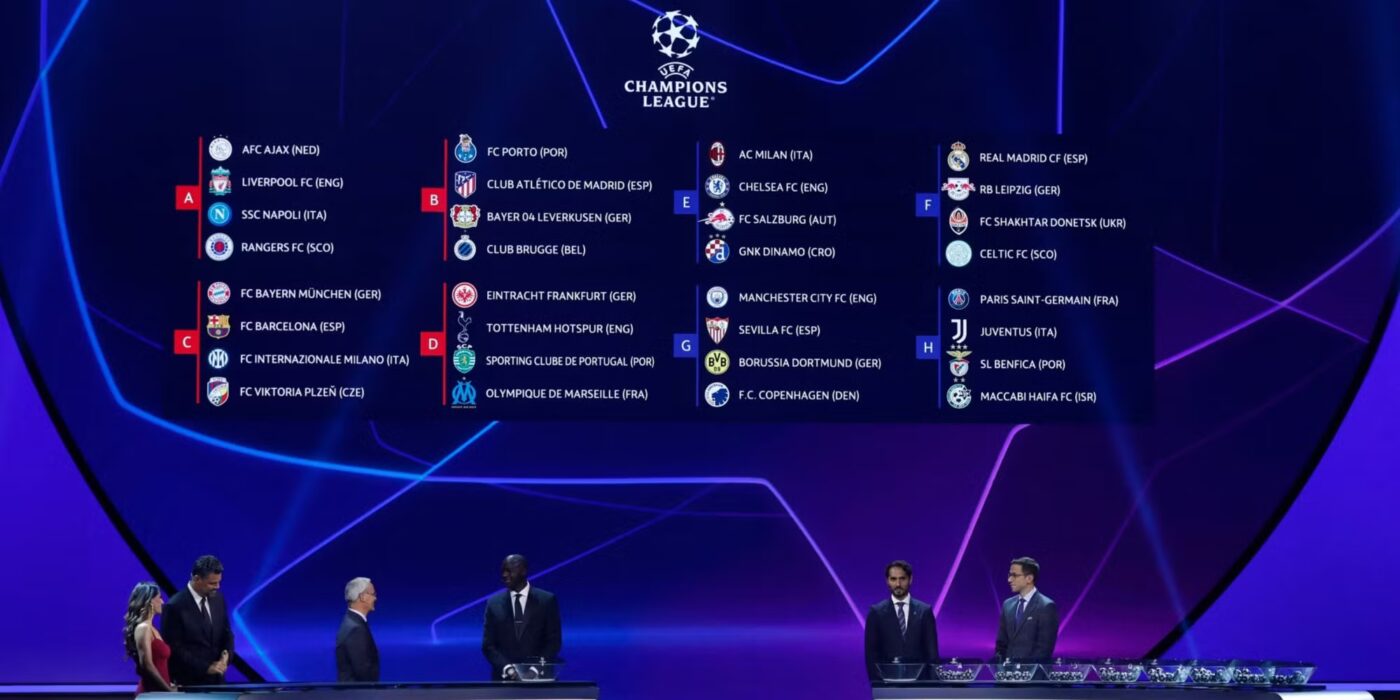
The competition begins with a qualification phase, where clubs from lower-ranked leagues compete for limited spots in the group stage. This phase consists of three rounds culminating in a playoff round. A total of 32 teams make it to the group stage, which features eight groups of four teams each. Each group plays a round-robin format, with the top two teams from each group advancing to the knockout stage.
Knockout Stage
The knockout stage consists of four rounds: the Round of 16, Quarter-finals, Semi-finals, and the Final. In this stage, teams play two-legged ties, with the winner determined by the aggregate score over both matches. If the aggregate score is level after the second match, the match proceeds to extra time and, if necessary, penalties.
Recent Changes and Future Format
In recent years, UEFA has announced a new format that will be implemented from the 2024-2025 season, making it even more competitive. This includes a redesigned league phase known as the ‘Swiss model,’ which will see 36 teams playing 8 matches each instead of the standard 6 matches in the current group format. This change aims to increase the number of matches and provide fans with more exciting football.
Conclusion
The Champions League format is continually evolving, reflecting the dynamics of club football in Europe. With the anticipated changes in its structure, the tournament remains a focal point for clubs aiming for glory and fans waiting with bated breath. As the format adapts, it promises to enhance competition and draw even more interest from across the globe, marking its significance in football’s rich history.