Introduction
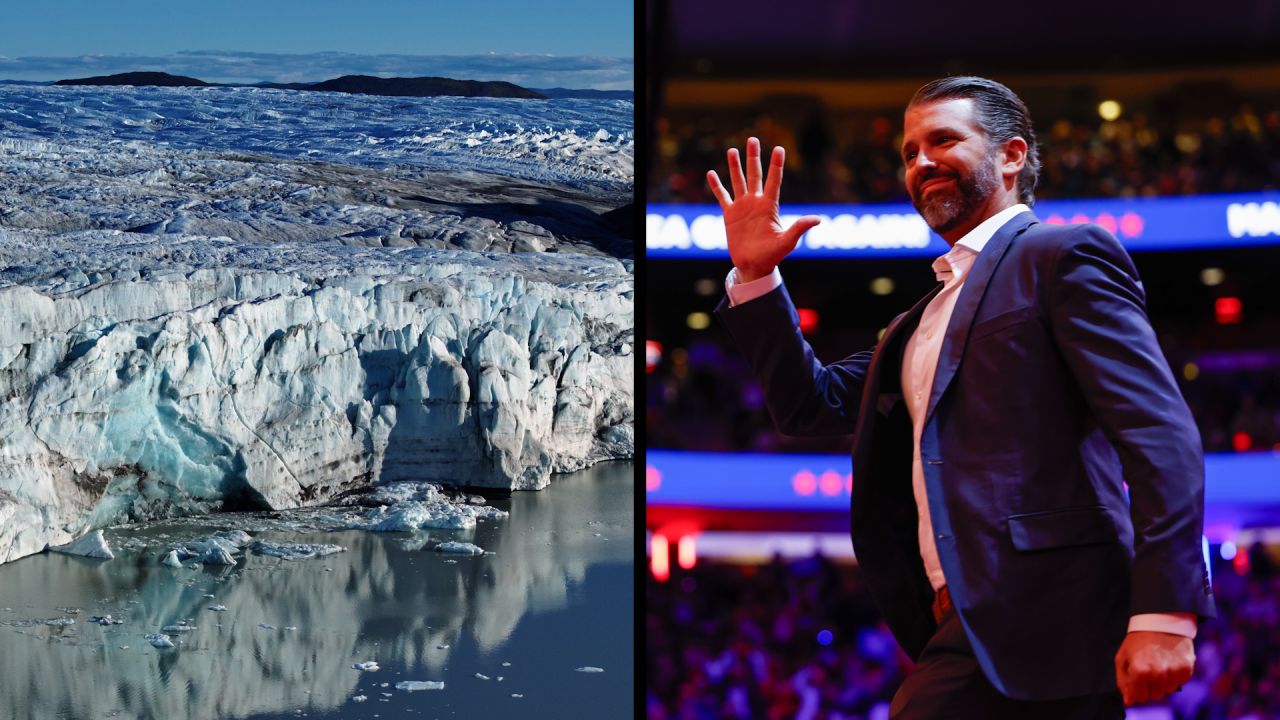
The suggestion made by former President Donald Trump to purchase Greenland during his presidency raised eyebrows and sparked discussion on international relations and strategic interests. This topic not only highlights peculiar aspects of modern diplomacy but also underscores the geopolitical significance of Greenland within the global stage.
Background on the Proposal
In 2019, then-President Trump expressed interest in acquiring Greenland, a semi-autonomous territory of Denmark. The proposal was met with ridicule and fierce rebuttals from both Danish officials and the international community. Trump’s interest stemmed from Greenland’s vast natural resources, including rare earth minerals, as well as its strategic military location near the Arctic Circle.
Reactions to the Proposal
The Danish Prime Minister, Mette Frederiksen, dismissed Trump’s proposal as “absurd,” emphasizing that Greenland is not for sale. Trump’s audacious comments, which many viewed as whimsical, echoed through media outlets, leading to sharp divisions in opinion. Supporters argued that acquiring Greenland could bolster U.S. security in the Arctic, while critics contended that such an act would undermine diplomatic norms.
Geopolitical Implications
The interest in Greenland goes beyond mere territorial acquisition. The Arctic region is becoming increasingly significant due to climate change, which is unlocking new shipping routes and access to untapped natural resources. Countries like Russia and China have been eyeing the Arctic, and the U.S. feels compelled to maintain a presence. Control over Greenland would provide the U.S. with enhanced military capabilities and leverage in Arctic governance discussions.
Conclusion
The controversy surrounding Trump’s Greenland suggestion highlights the complex dynamics of international politics, especially as the Arctic emerges as a focal point of global interests. While the idea may have fallen flat, it ignited conversations about national security and environmental concerns in the region. As global warming continues to reshape the Arctic landscape, the strategic importance of this territory will likely remain an area of interest for world leaders and policymakers in the years to come.