The US and Iran have a long and tumultuous history, marked by conflict and failed negotiations. The current situation has escalated significantly following unsuccessful peace talks held in Islamabad, which were the first face-to-face negotiations between the two nations since 2015. As tensions simmer, the announcement of a naval blockade against Iranian ports has sent shockwaves through the region and beyond.
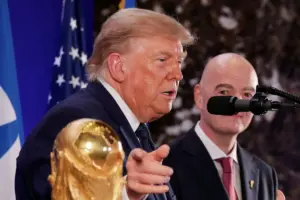
On April 13, 2026, at 10 AM EDT, the US officially began its blockade, a move that President Donald Trump has characterized as necessary for national security. In a stark warning, Trump stated, “Warning: If any of these ships come anywhere close to our BLOCKADE, they will be immediately ELIMINATED.” This aggressive stance has raised concerns about the potential for military confrontation in one of the world’s most crucial maritime corridors.
The blockade has already had significant repercussions, with reports indicating that 158 Iranian ships have been destroyed as a result of the US’s actions. Iran has responded vehemently, accusing the US of piracy and threatening to retaliate. Iranian parliament speaker Mohammad Bagher Ghalibaf warned that the blockade would lead to increased petrol prices for Americans, stating, “Enjoy the current pump figures. With the so-called ‘blockade’, Soon you’ll be nostalgic for $4-$5 gas.” Currently, the average price of petrol in the US stands at $4.12 per gallon, a stark increase from $3 before the conflict escalated.
In a surprising turn, the UK has announced that it will not participate in the US blockade of Iranian ports, highlighting a rift among traditional allies regarding the approach to Iran. Meanwhile, Pakistan’s Prime Minister Shehbaz Sharif has reiterated his country’s commitment to peace, stating, “Pakistan remains committed to sustaining this momentum for peace and stability.” This statement reflects a desire for diplomatic solutions amidst rising tensions.
The blockade’s impact on the Iranian economy and global oil prices remains uncertain. Observers are closely watching how this situation unfolds, particularly in light of the two-week ceasefire that is now in jeopardy. The Iranian government has expressed its discontent, with officials warning that the blockade could have dire consequences not only for Iran but also for the global economy.
As the situation develops, the international community is left grappling with the implications of this blockade. The US’s aggressive tactics have drawn criticism, and many are questioning whether such a strategy can effectively achieve its intended goals without further destabilizing the region. Iran’s response will be crucial in determining the next steps in this ongoing conflict.
Details remain unconfirmed regarding the full extent of the blockade’s impact, but the stakes are high as both nations navigate this precarious situation. With the potential for increased hostilities, the world watches closely, hoping for a resolution that prioritizes peace over conflict.