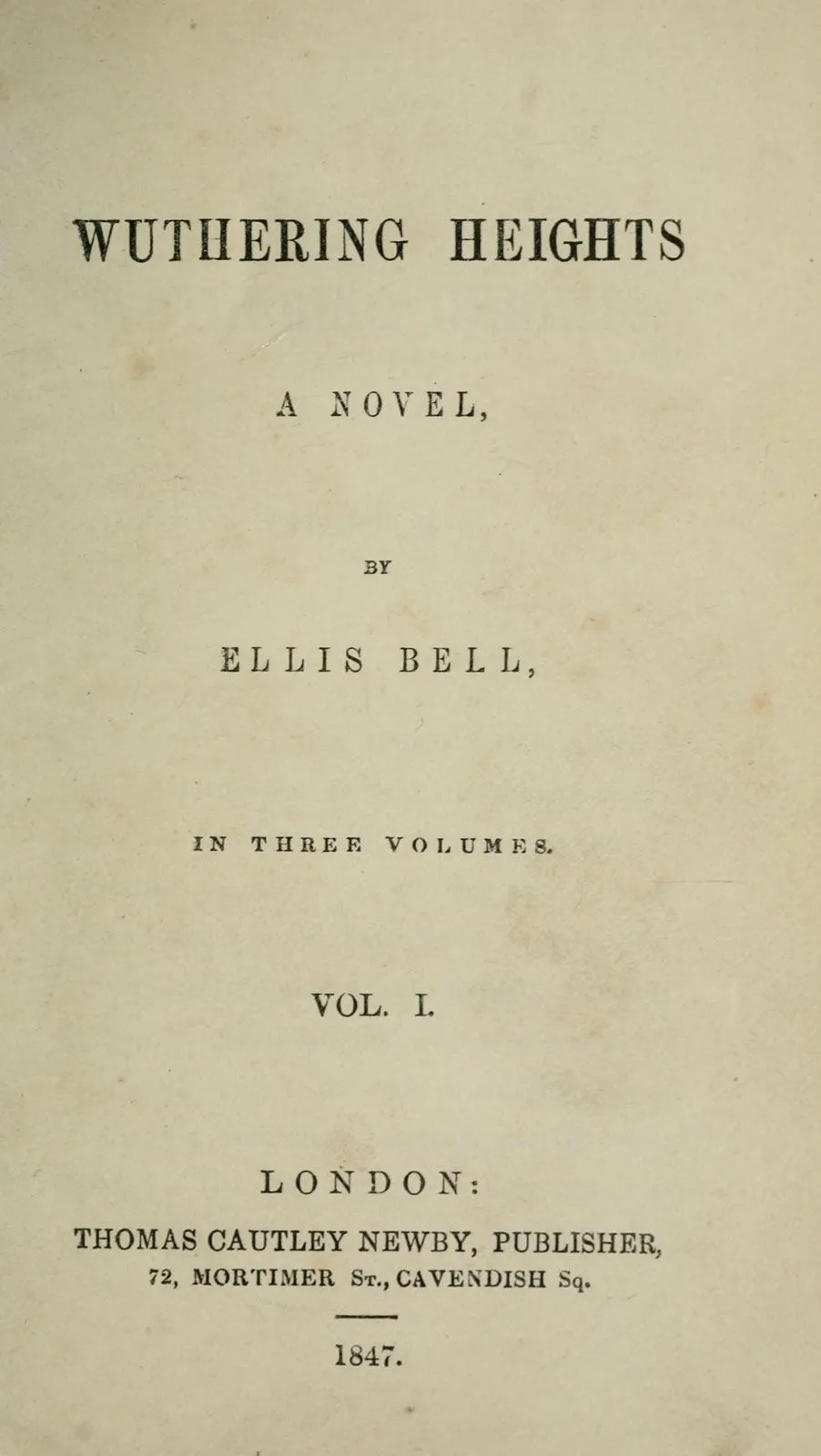
The 2026 film adaptation of Wuthering Heights has sparked controversy in Yorkshire, where Emily Brontë penned her iconic novel in 1847. Directed by Emerald Fennell, the film features Margot Robbie as Catherine Earnshaw and Jacob Elordi as Heathcliff. Critics have raised eyebrows over its anachronistic elements and the portrayal of beloved characters.
Set against the moody backdrop of the Yorkshire moors, the story revolves around the tumultuous relationship between Catherine Earnshaw and Heathcliff. Brontë’s original work, often classified as Gothic fiction, explores themes of love, revenge, and social class. Yet, this new adaptation introduces scenes that diverge from the source material—such as depictions of masturbation and sadomasochism—leading some to question its fidelity to Brontë’s vision.
The casting choices have also ignited debate. As Margot Robbie takes on the role of Catherine at age 35, some fans feel her portrayal may not align with their expectations for a character who is often seen as a youthful spirit torn between two worlds. Meanwhile, Elordi’s portrayal of Heathcliff—traditionally depicted as a dark-skinned foundling—has raised discussions about representation in film adaptations.
Despite these controversies, the film has achieved commercial success. It surpassed $240 million at the global box office shortly after its release, indicating that audiences are eager to see a fresh interpretation of this classic tale. David Rooney from The Hollywood Reporter described it as “Wuthering Heights for the Bridgerton generation,” suggesting that it resonates with a younger audience.
Brontë’s original novel was initially dismissed by critics as “immoral” and “vulgar,” yet it has since become a cornerstone of English literature. The themes explored within it remain relevant today, making adaptations both necessary and contentious. Fennell stated, “What I can say is I’m making a version of it. There’s a version that I remembered reading that isn’t quite real.” This suggests her intention to create something new while acknowledging the story’s roots.
As discussions continue around this adaptation, local residents express mixed feelings. Some appreciate the attention brought to Yorkshire’s literary heritage, while others worry about how modern interpretations might overshadow Brontë’s original themes. The film’s bold choices may challenge viewers but also invite them to rethink what Wuthering Heights means in today’s context.
The ongoing dialogue reflects not just on Brontë’s work but also on how stories evolve with time and culture. As audiences engage with this adaptation, they may find themselves reflecting on their own interpretations of love and loss—much like Catherine Earnshaw herself did when she famously declared, “I am Heathcliff! He’s always, always in my mind…”
This new chapter for Wuthering Heights highlights both the timeless nature of Brontë’s narrative and the complexities that arise when adapting classics for contemporary audiences.