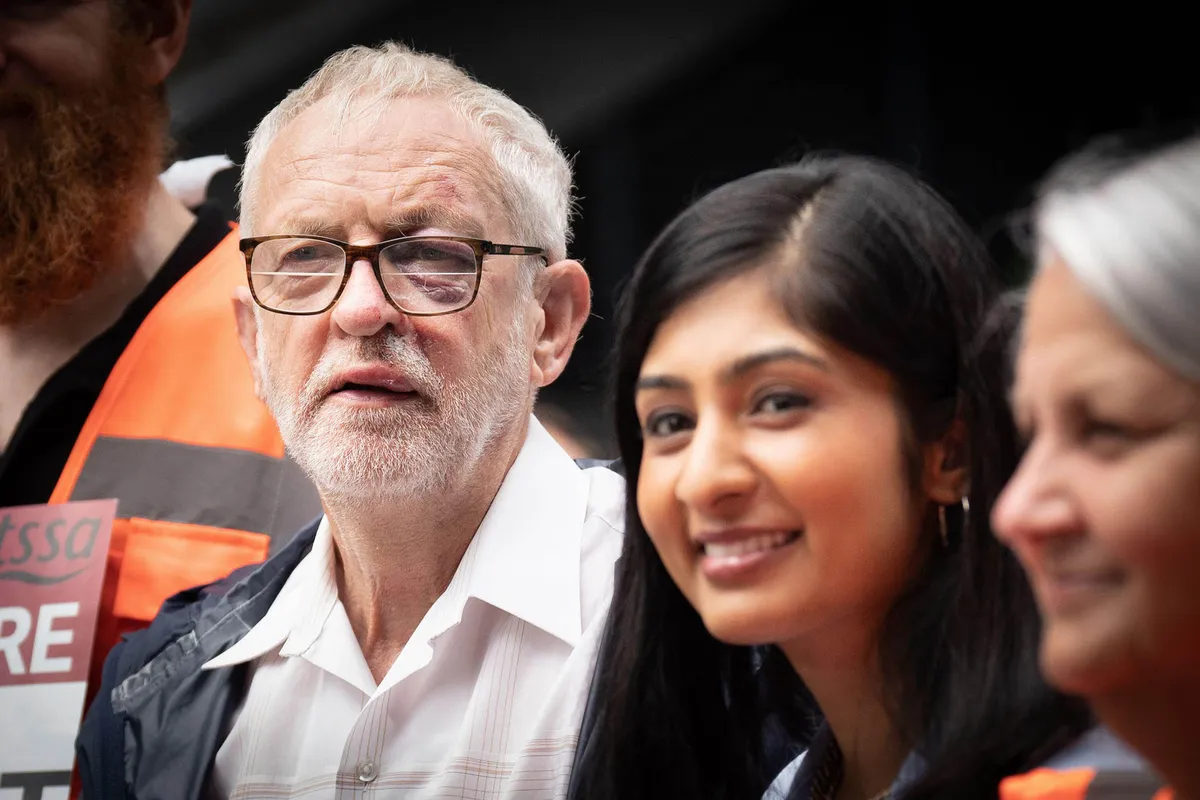
In a dramatic turn of events in the House of Commons, Labour MP Zarah Sultana was suspended for five days on April 20, 2026. This decision came after she refused to retract her statement that Keir Starmer, the leader of her party, is a “bare-faced liar.” The Speaker of the House, Lindsay Hoyle, asked Sultana to leave the chamber following her comments, which have sparked significant debate about political accountability.
Sultana’s outburst occurred during a session where she attempted to interject amidst Hoyle’s request for her departure. “I have a duty to the House to tell the truth,” she insisted, underscoring her commitment to speaking out against what she perceives as dishonesty in political discourse. Her suspension means she will lose pay during this period—a consequence that highlights the seriousness of parliamentary protocol.
Interestingly, Lee Anderson, another MP who was removed from the session for similar reasons—calling the Prime Minister a liar—adds an additional layer to this unfolding drama. Both MPs’ actions reflect growing frustrations within Parliament regarding trust and transparency. Under Parliamentary protocol, members are not allowed to accuse each other of lying without first withdrawing such comments. This rule aims to maintain decorum but can also stifle candid discussions.
The last time MPs faced suspension was in July 2022 when Alba Party members Neale Hanvey and Kenny MacAskill were similarly barred from participating in parliamentary proceedings. This recent incident with Sultana has reignited conversations about how politicians hold one another accountable and what happens when they cross lines deemed unacceptable by their peers.
As tensions rise within the Labour Party, reactions have varied. Some constituents express support for Sultana’s boldness in calling out perceived lies, while others worry about the implications of such confrontational politics on party unity. One local supporter remarked, “Zarah is just saying what many of us feel—politicians need to be honest with us.” However, critics argue that such behavior undermines parliamentary integrity and distracts from vital issues facing constituents.
Hoyle’s directive to Sultana was clear: “Leave now; I’ll name you otherwise.” His authority reflects an ongoing struggle within Parliament between maintaining order and allowing free expression among MPs. The question remains—how far can MPs go in expressing dissent without facing repercussions?
This incident serves as a reminder that political discourse is often fraught with tension and disagreement. As debates continue over leadership and accountability, ordinary citizens may find themselves caught in the crossfire of these high-stakes discussions.
For now, Zarah Sultana’s suspension stands as a testament to both her commitment to honesty and the challenging dynamics at play within UK politics today.