The Significance of Tall Buildings
As urban populations continue to soar, the construction of tall buildings has become a vital aspect of modern architecture. These monumental structures not only showcase human ingenuity but also serve essential roles in accommodating the increasing number of city dwellers. The world’s tallest buildings are symbols of economic power, cultural identity, and technological advancement.
Current Standings: The Tallest Structures
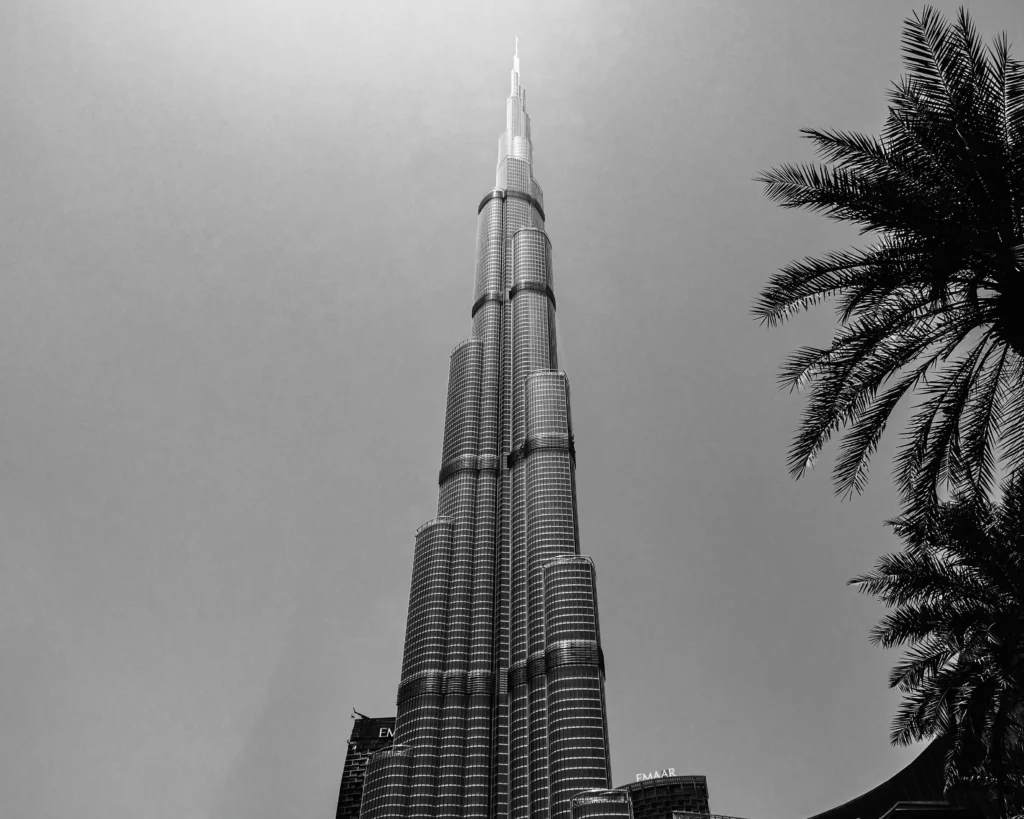
As of 2023, the Burj Khalifa in Dubai holds the title of the tallest building globally, standing at an impressive 828 meters (2,717 feet). Completed in 2010, this architectural marvel features 163 floors and has transformed the skyline of the city. Following the Burj Khalifa, the Shanghai Tower in China claims the second spot at 632 meters (2,073 feet), showcasing a unique spiral design.
In third place is the Abraj Al Bait Clock Tower in Mecca, Saudi Arabia, which reaches 601 meters (1,971 feet) and serves as a hotel and Islamic centre. Recent entrants to the ranks of tall buildings include the Wuhan Greenland Center in China, which is currently under construction and projected to reach 636 meters (2,087 feet) upon completion.
Technological Innovations and Challenges
The journey to creating these vertical giants involves significant technological advancements. Engineers and architects face numerous challenges, including wind resistance, structural integrity, and high-speed elevators. Innovations such as high-strength concrete and sophisticated architectural designs have made it possible to build even taller. The industry’s growth reflects increased investment in infrastructure, particularly in rapidly developing regions like Asia and the Middle East.
The Future of Skyscrapers
Looking ahead, several ambitious projects are in the pipeline, with plans for buildings like the Jeddah Tower in Saudi Arabia, which aims to reach over 1,000 meters. Experts predict that as technology continues to evolve, the skylines of cities around the world will witness even more dramatic changes. Sustainability will play a crucial role, with an emphasis on energy-efficient designs and materials.
Conclusion
The world’s tallest buildings not only represent engineering achievements but also embody the aspirations of the cities they inhabit. As we continue to push the boundaries of architecture, these towering structures will undoubtedly pave the way for a future where urban living is both inspiring and sustainable. Understanding their significance helps us appreciate the ingenuity and ambition behind these marvels, and their impact on societal evolution.