Introduction
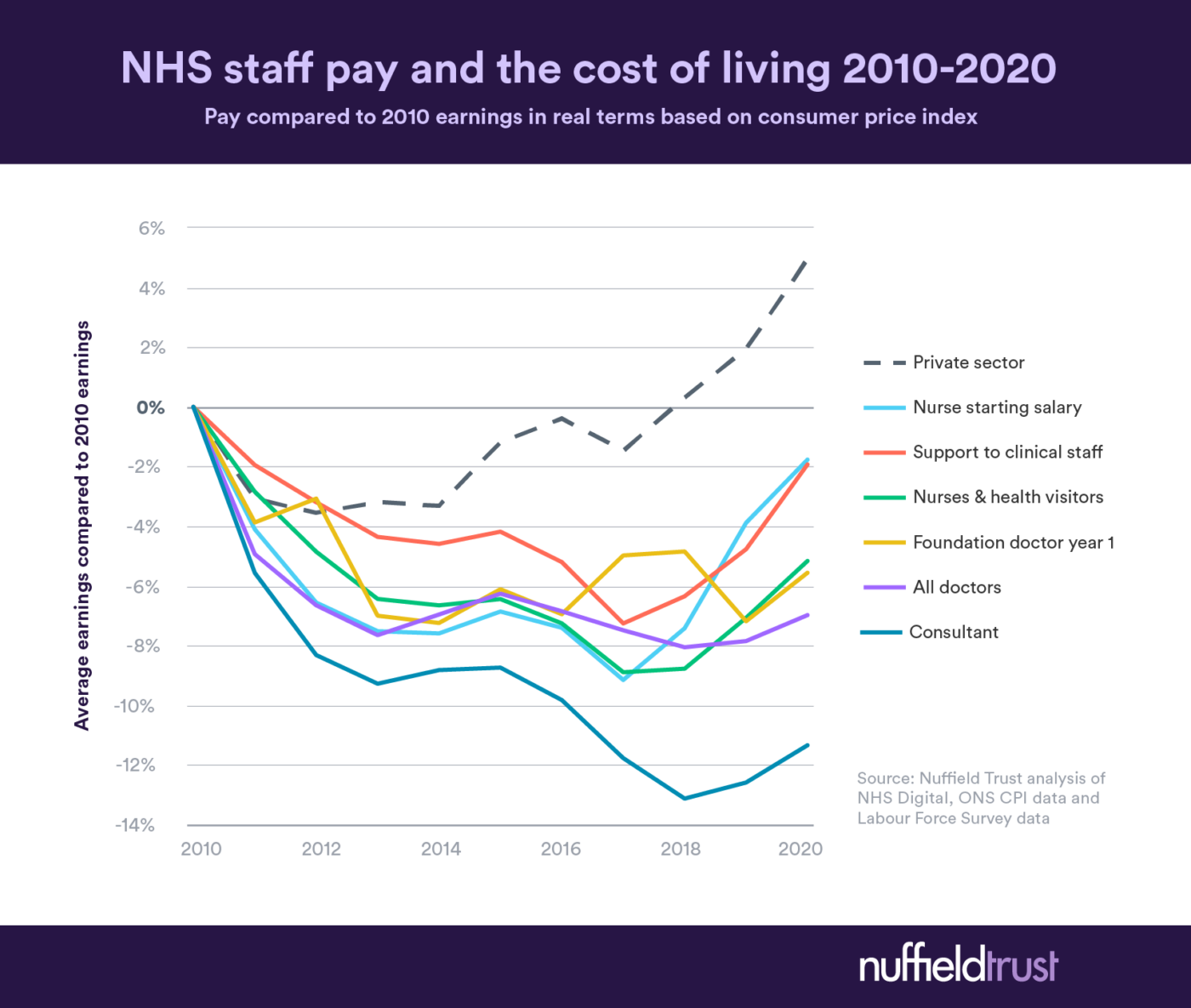
The potential NHS pay rise for 2026 is a topic of significant importance as it pertains not only to the financial well-being of healthcare professionals but also to the broader implications for the National Health Service as a whole. With ongoing discussions around funding, recruitment, and retention of staff, understanding the trajectory of pay increases is crucial for both workers and policy analysts.
Current Context and Background
As of 2023, NHS staff have faced prolonged challenges marked by inflationary pressures and budget constraints. The NHS staff pay review body recommended a 4% increase for the fiscal year 2023-2024, which, while a welcome boost, did not entirely address the concerns regarding competitive salaries in the healthcare sector. With the workforce experiencing high levels of stress, burnout, and attrition, the call for a more substantial pay structure is becoming increasingly urgent.
Discussions surrounding the NHS pay rise 2026 have intensified as unions, healthcare professionals, and political leaders consider the effects of the cost of living crisis and the demands placed on staff during recent health emergencies.
Implications of the Pay Rise
A projected pay rise in 2026 could have multiple implications. Firstly, it may help to alleviate some financial strain on NHS staff, thereby improving job satisfaction and retention rates. Enhanced financial compensation could also act as an incentive for new recruits, which is paramount given the current staffing shortages across various departments.
As indicated by various reports, the NHS is already facing a shortfall of over 100,000 staff members. Therefore, a competitive pay rise could be a critical measure in attracting and maintaining a robust workforce capable of meeting the increasing healthcare demands of the population.
Looking Towards the Future
Government officials and NHS leaders are anticipated to review their strategies leading up to 2026. With rising operational costs and the necessity to provide high-quality healthcare, it is likely that calls for sustainable funding alongside competitive salaries will be at the forefront of discussions.
Furthermore, NHS leaders are expected to engage in dialogues with unions and stakeholders to formulate a comprehensive pay structure that reflects the realities faced by healthcare professionals. The significance of the NHS pay rise 2026 extends beyond just numbers; it embodies respect and recognition for the dedication and hard work put in by health staff.
Conclusion
The trajectory of the NHS pay rise for 2026 holds substantial significance for healthcare workers and the future of the NHS itself. While discussions are ongoing, the need for competitive pay has never been more vital as the service grapples with staffing challenges and demands for high-quality care. The outcomes of these discussions will not only influence the financial stability of NHS professionals but could also play a pivotal role in shaping the future of healthcare delivery in the UK.