Introduction
The Chinese New Year, also known as the Lunar New Year, is one of the most significant traditional festivals celebrated not only in China but around the globe. Observed by millions, this festival marks the beginning of a new year on the lunar calendar and is rooted deep in cultural practices and customs that have evolved over thousands of years. In 2024, Chinese New Year falls on February 10th, ushering in the Year of the Dragon, a symbol of strength, good fortune, and vitality. As various communities prepare to celebrate, understanding the importance of this occasion becomes increasingly relevant in today’s multicultural society.
Historical Context and Traditions
Chinese New Year has rich historical significance, with traditions that vary across different regions. The festival traditionally begins with a family reunion dinner on New Year’s Eve, where families gather to share a meal that includes dishes symbolic of prosperity and happiness. Popular dishes include dumplings, fish, and rice cakes, which are believed to bring good luck and fortune.
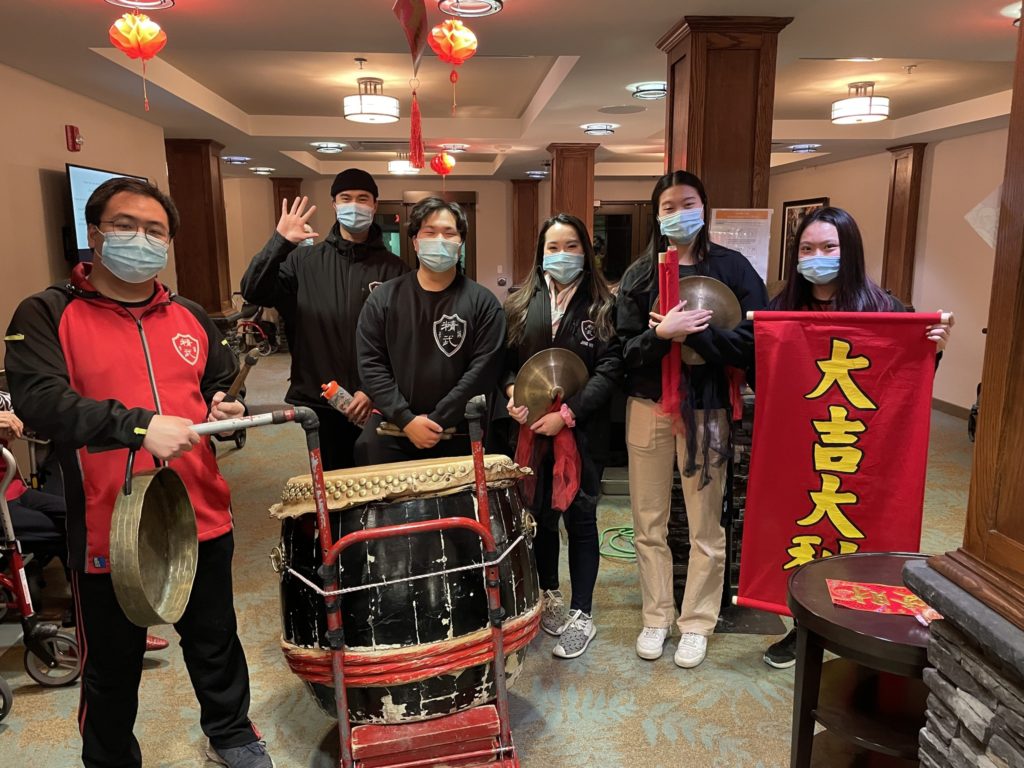
Over the years, various customs such as giving red envelopes (hongbao) filled with money to children and unmarried adults, lighting fireworks to ward off evil spirits, and decorating homes with red lanterns and banners reflecting auspicious phrases have become integral to the celebrations. Various regional celebrations also showcase unique traditions; for example, the Lion Dance and Dragon Dance, performed to bring good luck and drive away misfortunes, are popular in many parades.
Current Celebrations and Global Impact
As 2024 approaches, cities around the globe are gearing up for the festivities. In major cities like London, San Francisco, and Sydney, communities are planning parades, cultural performances, and food markets to celebrate the occasion. These events not only draw local attendees but also tourists keen to experience the traditional celebrations firsthand. Internationally recognised as a public holiday in many countries, Chinese New Year festivities facilitate a sense of community and promote cultural exchange.
Conclusion
With the Year of the Dragon on the horizon, the upcoming Chinese New Year holds great potential for renewal and positive change. As cultures blend and traditions are shared, the significance of Chinese New Year continues to resonate far beyond its origins, highlighting values of family, community, and hope for prosperity. Readers who embrace this vibrant celebration can look forward to a plethora of activities and opportunities to reflect on cultural heritage, making it a rich experience whether participating in person or through cultural exchanges.