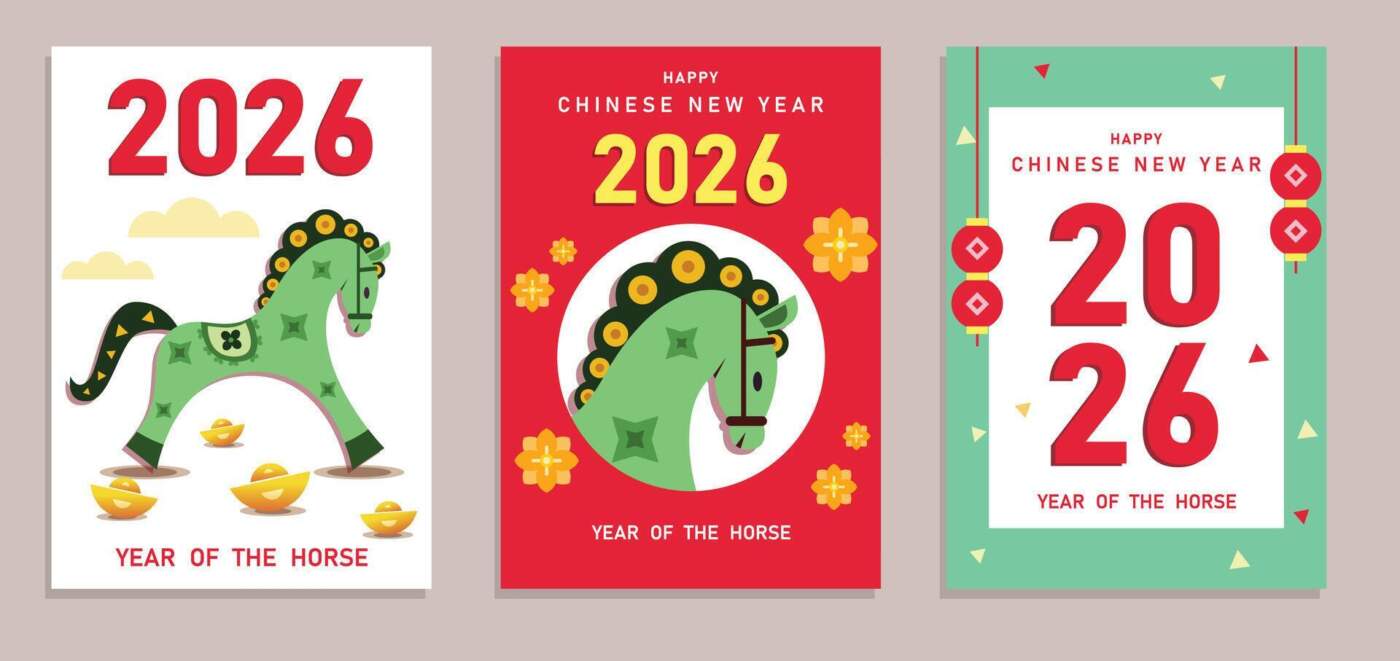
Introduction to Chinese New Year 2026
Chinese New Year, also known as Lunar New Year or Spring Festival, is one of the most significant holidays in Chinese culture. In 2026, this vibrant festival will begin on February 17th, marking the start of the Year of the Fire Horse, which is anticipated to bring energy, dynamism, and prosperity. The significance of this celebration goes beyond just family gatherings; it embodies traditions that have been passed through generations, making it a focal point for cultural identity and unity among the Chinese community worldwide.
Festivities and Traditions
As we look ahead to 2026, plans for Chinese New Year festivities are already underway in various countries. The celebrations typically span 15 days, culminating in the Lantern Festival. Key traditions include family reunions, festive meals, dragon and lion dances, and the giving of red envelopes (hongbao) filled with money for good luck. Cities like Beijing, Shanghai, and global centres such as London and San Francisco will be adorned with elaborate decorations, parades, and fireworks to welcome the New Year.
The importance of food during this period cannot be overstated; special dishes are prepared, each symbolising good fortune. For instance, dumplings represent wealth due to their resemblance to ancient Chinese currency. People will also indulge in sweet rice balls (tangyuan) that symbolize family unity.
Impact of Global Events
As plans unfold for the 2026 celebrations, it’s essential to consider the impact of global events, including the ongoing recovery from the COVID-19 pandemic. Local governments are likely to impose safety measures to ensure that celebrations can proceed without health risks. However, there is optimism about larger gatherings compared to the more subdued celebrations in past years.
Conclusion and Future Significance
The upcoming Chinese New Year in 2026 is poised to be a significant event, representative of cultural renewal and resilience. With the Year of the Fire Horse regarded as auspicious, communities around the globe are eagerly preparing for a vibrant display of customs and practices that celebrate togetherness and hope. As families reunite and cultural performances ignite the spirit of the New Year, the essence of Chinese New Year remains timeless yet ever-evolving, encouraging a sense of belonging among past, present, and future generations of the Chinese diaspora.