Introduction
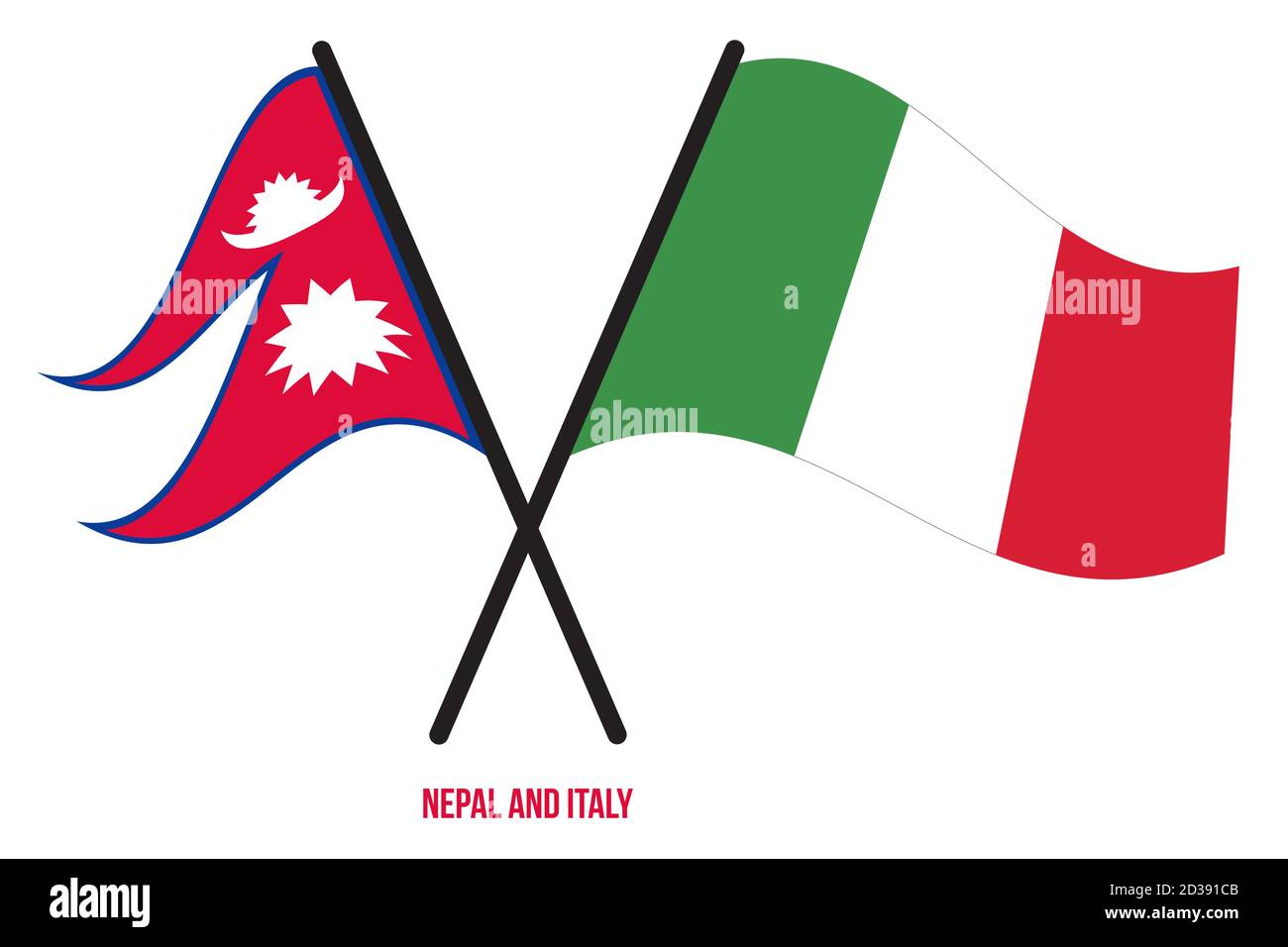
The intrigue of cultural diversity is epitomised in the stark contrast between Nepal and Italy. These two countries, located in vastly different parts of the world, offer unique experiences that are shaped by their history, geography, and traditions. Understanding the differences and similarities between Nepal and Italy can enhance travel experiences and provide insight into global diversity.
Geographical Landscape
Nepal, located in South Asia, is renowned for its breathtaking mountain ranges, including the Himalayas, which are home to Mount Everest, the tallest peak in the world. Its rugged terrain has influenced not only its climate but also its culture and lifestyle. In contrast, Italy’s diverse geography spans from the snow-capped Alps to the sunny Mediterranean coast, featuring beautiful cities like Venice, Rome, and Florence. The country’s regions offer varied climates, from the warm southern shores to the cooler northern mountains.
Cultural Significance
Nepal is a cradle of rich cultural traditions, where Hinduism and Buddhism coexist harmoniously. Festivals like Dashain and Tihar illustrate the vibrant local customs, while the numerous temples and monasteries reflect its spiritual heritage. Italy, on the other hand, is celebrated for its extensive contributions to art, architecture, and cuisine, from Renaissance masterpieces to its famous pasta and pizza. The Italian lifestyle is deeply intertwined with family, culinary traditions, and regional festivals, making it a pivotal part of its cultural identity.
Culinary Differences
The culinary landscape of Nepal is characterised by simple yet flavourful dishes, such as Dal Bhat, a staple meal consisting of lentils and rice, often accompanied by vegetables and meat. Traditional Nepali food focuses on a balance of flavours and local ingredients, reflecting the agricultural practices of the region. Conversely, Italy is synonymous with a rich tapestry of culinary delights. Italian cuisine is renowned for its use of fresh ingredients and regional specialties, from Sicilian cannoli to Tuscan ribollita, showcasing the influence of the country’s diverse landscapes and history.
Tourism and Economy
Tourism in Nepal largely revolves around its natural beauty and trekking opportunities, which attract adventurers and spiritual seekers from around the globe. The country has seen a resurgence in eco-tourism and cultural tourism, vital for its economy. Italy’s tourism industry thrives on its historical landmarks, arts, and luxurious shopping experiences, drawing millions of visitors each year eager to explore its rich heritage and lifestyle. The economy significantly benefits from both its cultural and natural attractions, presenting a diverse range of opportunities.
Conclusion
In comparing Nepal vs Italy, we uncover two nations rich in history and tradition, yet vastly different in geography and culture. While Nepal offers stunning mountains and a blend of spiritual practices, Italy boasts historical wonders and culinary excellence. Both countries, however, continue to thrive through their unique characteristics and attractions, providing remarkable experiences for travellers and enriching the world’s cultural tapestry. As global interest in travel and cultural exchange grows, understanding these differences will undoubtedly enhance appreciation for each country’s unique attributes.