Introduction
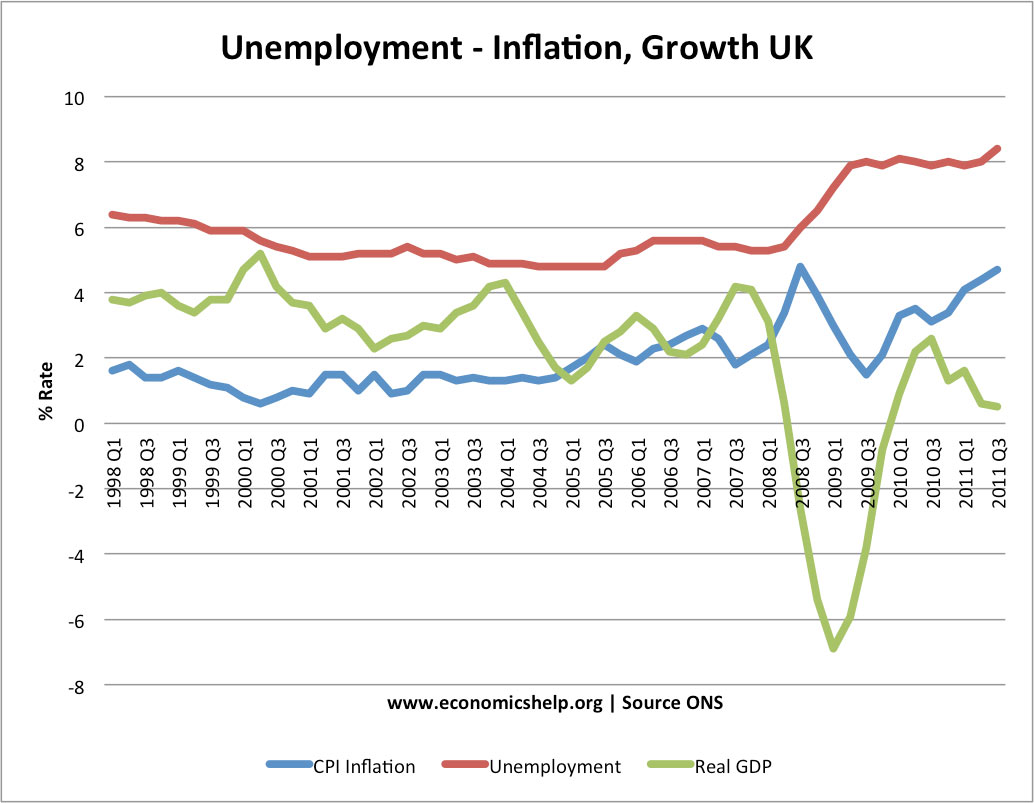
The unemployment rate is a vital economic indicator that reflects the percentage of the workforce that is without a job but actively seeking employment. It is a key metric for understanding the overall health of the economy and informs government policy and labour market strategies. Recent reports from the Office for National Statistics (ONS) indicate shifts in the UK unemployment rate, making it imperative for stakeholders including businesses, policymakers, and job seekers to stay informed about these developments.
Current Figures and Trends
As of August 2023, the UK unemployment rate stands at 4.2%, marking a slight increase from 4.0% in the previous quarter. The rise has been attributed to various factors, including economic downturns and the ongoing effects of the pandemic. In absolute terms, approximately 1.5 million people are currently unemployed in the UK. However, the number of job vacancies has decreased significantly, reaching 1.2 million, a drop of 32,000 from the previous quarter, which indicates a tightening labour market.
Additionally, the youth unemployment rate remains a pressing concern, with people aged 16 to 24 experiencing significantly higher unemployment rates compared to older age groups. This segment has seen an unemployment rate of 11.3%, raising alarms about the long-term impacts of joblessness on young individuals and the economy as a whole.
Regional Disparities
There are notable disparities in unemployment rates across different regions of the UK. The North East currently has the highest unemployment rate at 6.0%, while the South East enjoys a lower rate of 3.6%. Such regional differences highlight the need for targeted government interventions to address the specific challenges faced by various areas, particularly those lagging behind in economic recovery.
Conclusion
The rising unemployment rate in the UK reflects the complexities of the current economic landscape, compounded by global uncertainties and market fluctuations. As the government and businesses navigate these challenges, it is crucial for individuals to remain proactive in seeking employment opportunities and for policymakers to devise effective strategies to stimulate job growth. Economic forecasts suggest that if current trends persist, we may see further unemployment increases, making it all the more critical for stakeholders to monitor these developments closely. The overall significance of the unemployment rate extends beyond mere numbers; it impacts consumer spending, economic stability, and social well-being, highlighting the ongoing need for collective action and collaboration across sectors.