Introduction
In an increasingly globalised world, the ability to hire and manage a remote workforce has become vital for companies. Deel, a leading platform for global payroll and compliance solutions, is at the forefront of this transformation. Launched in 2018, Deel has gained significant traction in the past few years, especially amid the rise of remote work spurred by the COVID-19 pandemic. The platform simplifies the process of hiring international talent, ensuring businesses can seamlessly expand their operations without compromising on compliance or payroll accuracy.
Recent Developments
Deel has recently announced a series of updates designed to enhance user experience and expand its functionality. In September 2023, the company secured $156 million in a funding round led by notable investors, reflecting the growing demand for digital solutions in workforce management. This funding will allow Deel to continue innovating, with plans to enhance its platform features that facilitate hiring remote employees universally.
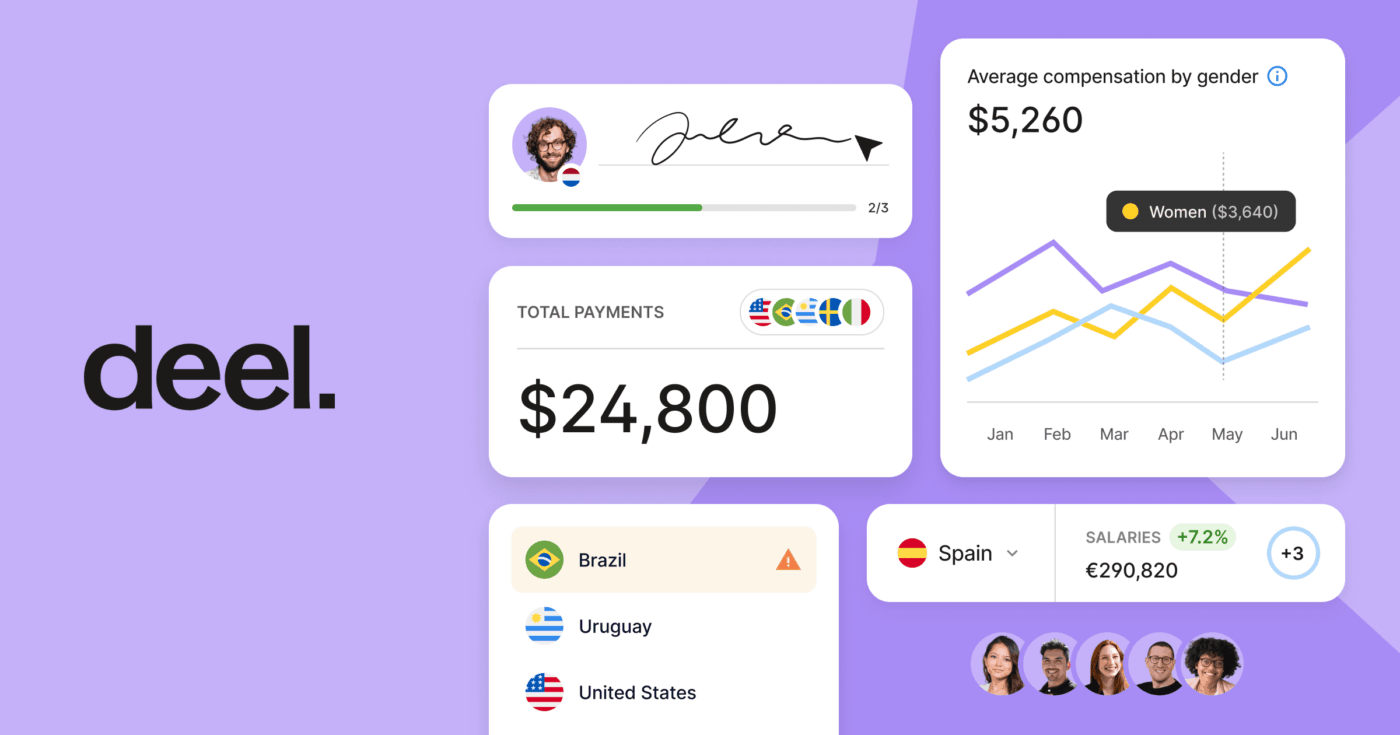
Notably, Deel’s technology allows companies to pay contractors in over 100 currencies and manage various payroll systems all integrated into one platform. The firm also provides necessary compliance and tax support, ensuring that businesses adhere to local laws and regulations. This feature has been particularly beneficial for small and medium enterprises that may lack internal resources to navigate international hiring.
Significance for Businesses
The significance of Deel cannot be understated, particularly as companies shift towards flexible work models. According to a survey conducted by Global Workplace Analytics, 30% of the US workforce is projected to work remotely by 2024. As these trends continue, platforms like Deel will play a crucial role in enabling organisations to attract talent from diverse backgrounds, thereby enhancing creativity and innovation.
Moreover, Deel’s rapid growth amid economic uncertainties showcases the demand for agility in hiring practices. The ability for companies to onboard talent without geographical barriers allows them to remain competitive in their respective industries. For instance, prominent names such as Shopify and Dribbble are already leveraging Deel’s services to optimize their global hiring efforts.
Conclusion
As the nature of work evolves, the tools and platforms that companies utilise must adapt accordingly. Deel stands out as a valuable asset for businesses looking to tap into the global talent pool. With its recent funding and ongoing innovation, Deel is poised to further reshape the future of work by providing efficient, compliant, and user-friendly solutions for managing remote teams. Businesses that embrace such platforms will likely enhance their operational efficiency and gain a competitive edge in the ever-changing landscape of work.