Introduction
Namibia is a country located in the south-western region of Africa, renowned for its stunning landscapes, rich biodiversity, and diverse cultural heritage. With a population of approximately 2.5 million, Namibia offers a unique blend of natural wonders and cultural experiences that attract tourists and researchers alike. This article sheds light on the importance of Namibia not only as a travel destination but also as a case study in conservation and sustainable development.
Geography and Natural Wonders
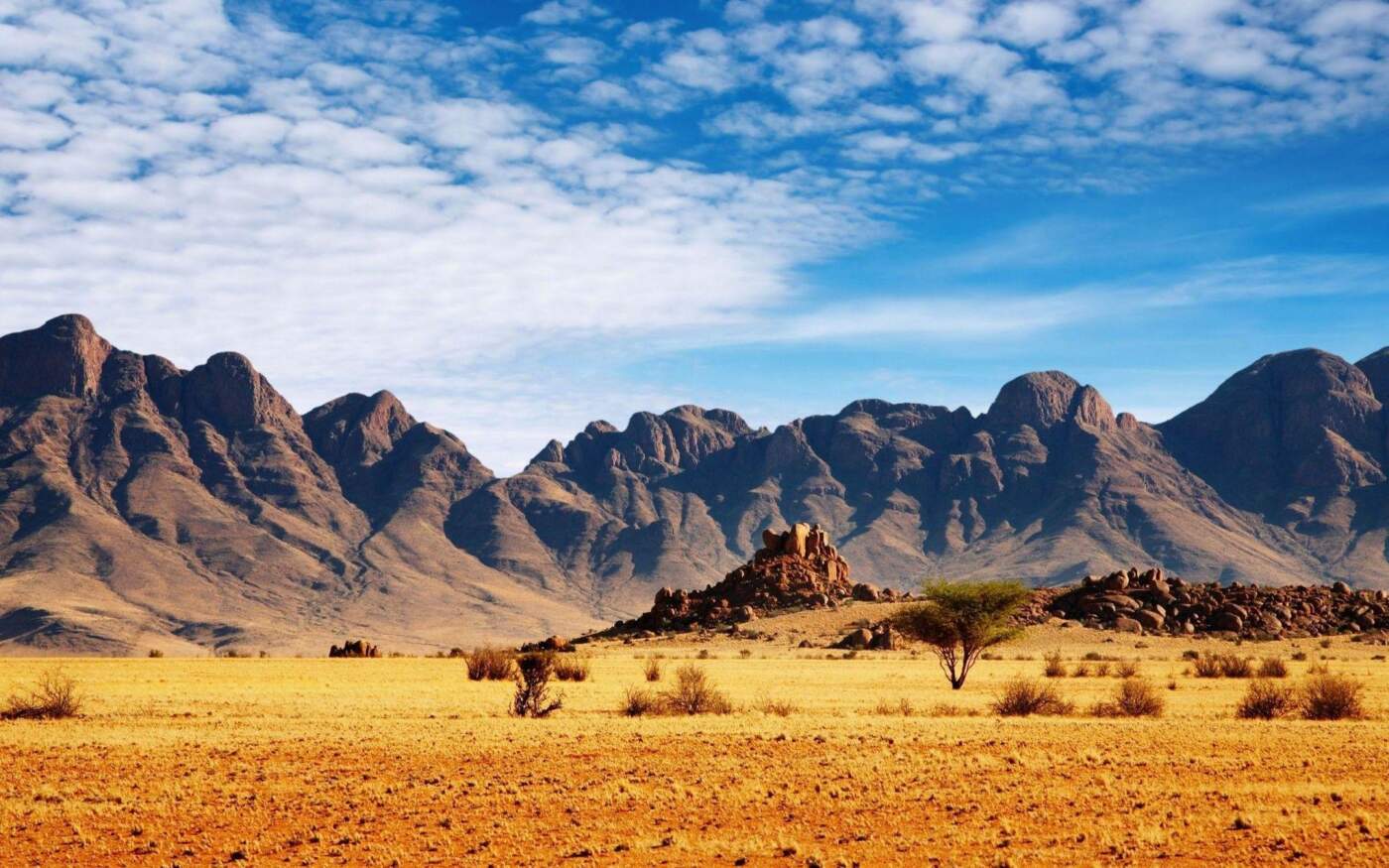
Namibia is home to some of the most extraordinary landscapes in the world. The Namib Desert, one of the oldest deserts on Earth, boasts the iconic Sossusvlei dunes, which can reach heights of over 300 metres. The country also features the rugged beauty of the Fish River Canyon, one of the largest canyons in the world. Furthermore, the Etosha National Park is a UNESCO World Heritage site known for its diverse wildlife, including elephants, lions, and rhinos.
Cultural Diversity
The cultural fabric of Namibia is woven from various ethnic groups, each contributing unique traditions and languages. The Himba people, renowned for their distinctive dress and customs, represent one of the most iconic cultural groups in the country. Namibia is officially multilingual, with English as the official language, alongside Afrikaans, German, and several indigenous languages. This cultural diversity enriches the visitor experience, offering insights into traditional lifestyles and crafts.
Conservation and Sustainability
Namibia has gained international recognition for its pioneering approach to conservation and sustainable tourism. The country’s community-based conservation initiatives empower local communities to manage natural resources, promoting both ecological preservation and economic benefits. By engaging in eco-tourism, visitors can contribute to conservation efforts while experiencing the beauty of Namibia firsthand.
Challenges and Opportunities
Despite many positive developments, Namibia faces challenges including water scarcity, desertification, and unemployment. Climate change significantly threatens its ecosystems and community livelihoods. However, efforts in renewable energy initiatives and sustainable farming practices are underway, aiming to mitigate these impacts while fostering resilience among communities.
Conclusion
Namibia stands out as a beacon of natural beauty and cultural depth in Africa. Its unique landscapes, wildlife, and commitment to sustainable practices make it a significant case study for tourism and conservation efforts globally. As Namibia continues to innovate towards sustainable development, it remains a vital destination for those seeking to experience the richness of African heritage and the importance of ecological stewardship. The future of Namibia is promising, with plans for increased investment in conservation and tourism, ensuring that this remarkable country thrives for generations to come.