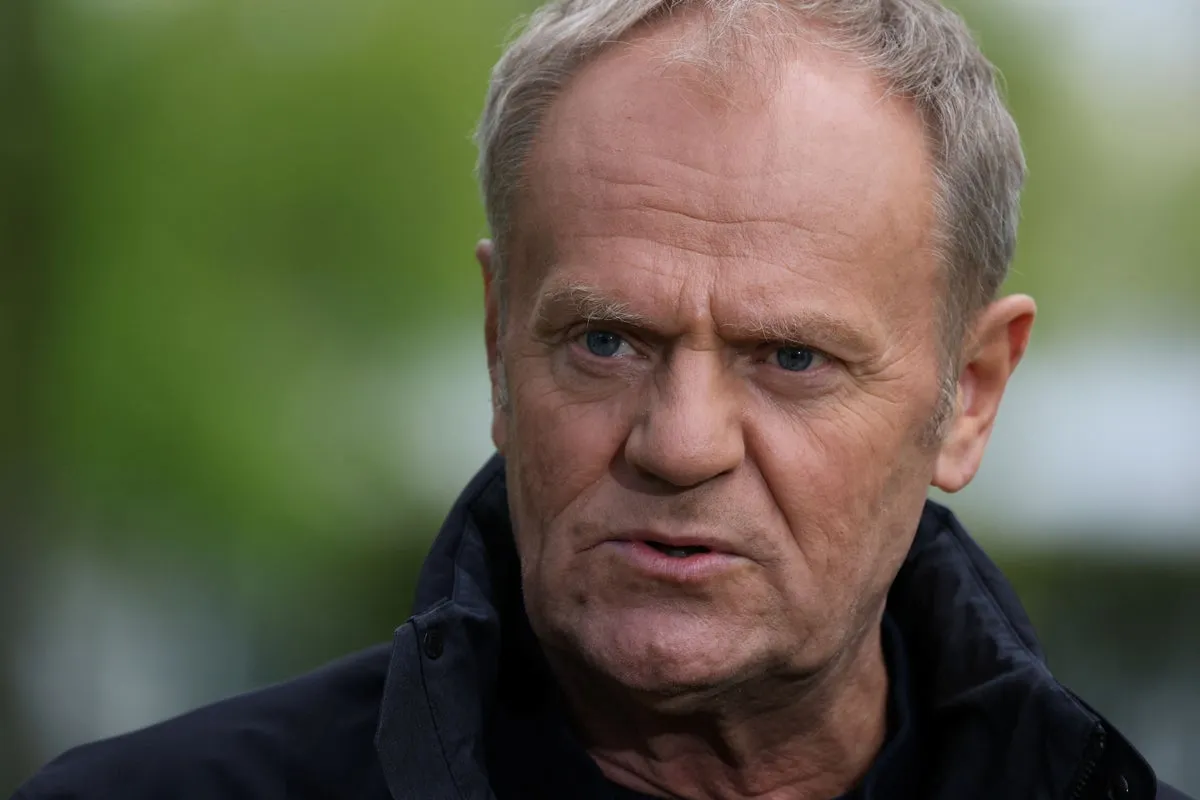
In a striking statement on May 2, 2026, Donald Tusk asserted that NATO is facing disintegration largely due to ongoing tensions and significant troop withdrawals by the United States. This urgent call comes as the US plans to withdraw approximately 5,000 troops from Germany, raising concerns about the future of transatlantic relations.
Tusk emphasized that the greatest threat to the transatlantic community lies not in external enemies but in the internal fractures within the alliance. He argued that these fractures are exacerbated by the current rift regarding the US-Israeli war against Iran. “The greatest threat to the transatlantic community are not its external enemies, but the ongoing disintegration of our alliance,” Tusk stated.
Germany currently hosts nearly 40,000 US military personnel as part of NATO’s commitment to European defense. However, criticisms have arisen regarding military strategy, particularly concerning the lack of an exit strategy for the Iran war. Chancellor Friedrich Merz of Germany criticized the US for its unclear plans, stating, “We must all do what it takes to reverse this disastrous trend.” His remarks reflect growing frustration among European allies.
The dynamics between NATO members are shifting, with Trump’s administration previously assessing a reduction in military presence in Germany amid these tensions. This situation has led to increased scrutiny on defense spending across Europe; Poland plans to allocate 5 percent of its GDP on defense this year as a direct response to these uncertainties.
Tusk’s comments signal a pivotal moment for NATO as it grapples with both external threats and internal challenges. The question remains: how will member states respond to his call for collective action? With significant troop withdrawals looming and rising defense expenditures across Europe, officials are keenly aware that unity may be more crucial than ever.
The urgency of Tusk’s message cannot be overstated. As NATO faces potential fragmentation, the implications for global security — especially regarding conflicts like the Iran war — could be profound. The coming months will likely reveal whether member nations can come together to address these challenges or if divisions will deepen further.