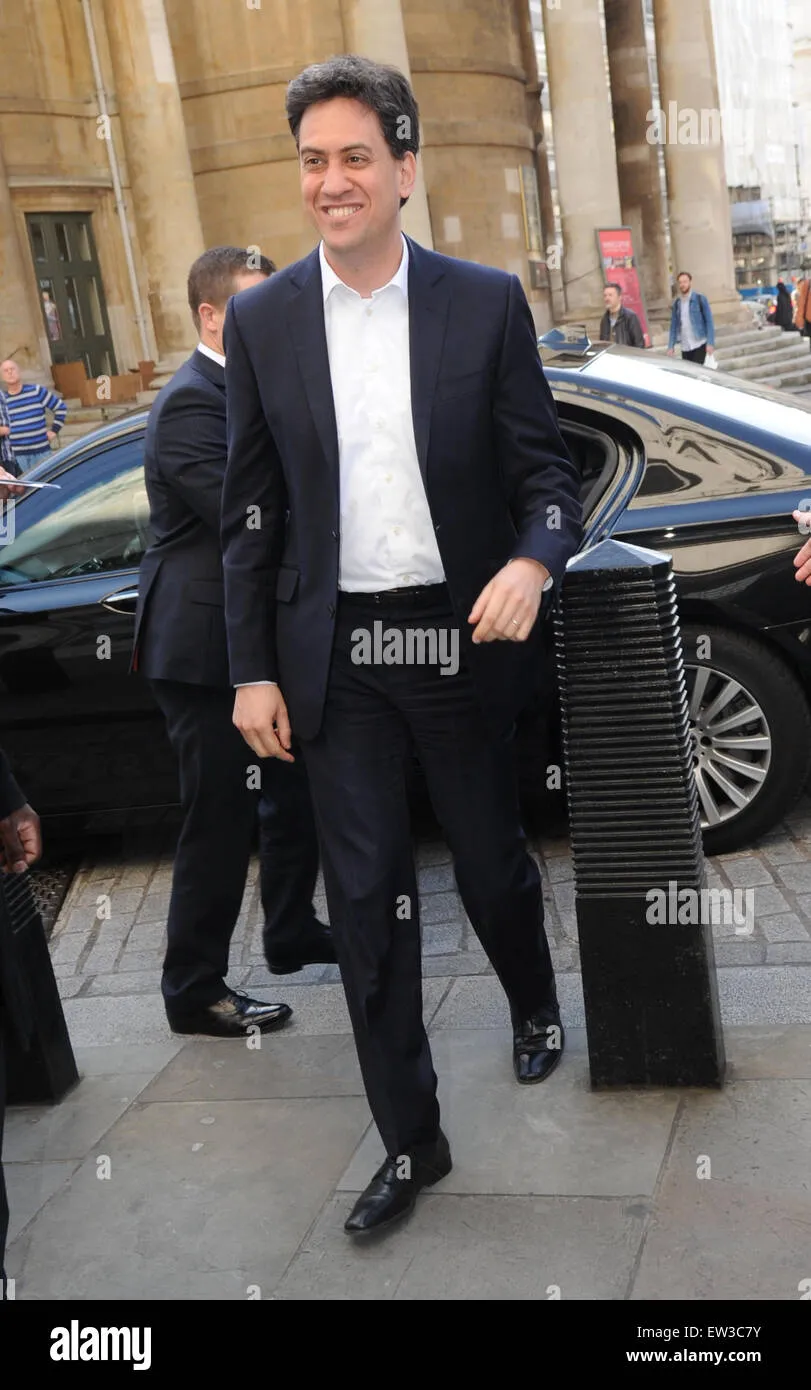
On March 5, 2026, Ed Miliband’s vocal opposition to US military action in Iran ignited a significant Cabinet rebellion within the Labour Party. His stance, which includes blocking British support for US operations, has created ripples among party leaders.
Miliband argued during a National Security Council meeting that the UK should not commit military forces without a clear plan. He stated, “We could not commit British military forces without a clear plan.” His position gained traction as both Chancellor Rachel Reeves and Foreign Secretary Yvette Cooper backed his views. However, Prime Minister Sir Keir Starmer reversed course, allowing the US to use British bases for defensive purposes.
This isn’t Miliband’s first time challenging military intervention. He previously led efforts against UK involvement in Syria back in 2013, arguing that hesitation from Western powers created a vacuum exploited by adversaries. Wes Streeting, another Labour figure, reflected on past events: “I think we can say looking back on the events of 2013 the hesitation of this country and the US created a vacuum that Russia moved into and kept Assad in power for much longer.”
As tensions rise over the Iran conflict, economic implications are also surfacing. BP recently reported first-quarter profits of £2.4 billion amid escalating geopolitical tensions. This comes at a time when the UK faces its most severe energy crisis ever, with household energy bills projected to rise by £300. Amid these discussions, Miliband threatened to impose a windfall tax on BP’s global profits if they continue to benefit disproportionately from the crisis.
Key financial figures concerning BP:
- First-quarter profits: £2.4 billion
- Total contribution to Treasury in 2024: £4.4 billion
- Number of jobs supported by BP’s supply chain: 75,000
- People employed by BP in the UK: 15,000
- Billion pounds added to UK GDP by BP: 11 billion
- Market value of BP: £85 billion
- Green jobs created: 600,000
The stakes are high—not only for international relations but also for domestic economic stability. A senior source commented, “Miliband has just opened his big mouth and threatened its very presence on these shores,” highlighting concerns about potential repercussions on BP’s operations in the UK.
If BP decided to exit the UK market due to increased taxation or regulatory pressures, it would send a stark message globally—”If BP left, it would send a signal to the world – the UK is closed for business.” The Labour Party now faces critical decisions as it navigates these turbulent waters between foreign policy and economic realities.