Eriksen’s On-Pitch Collapse and Device Activation
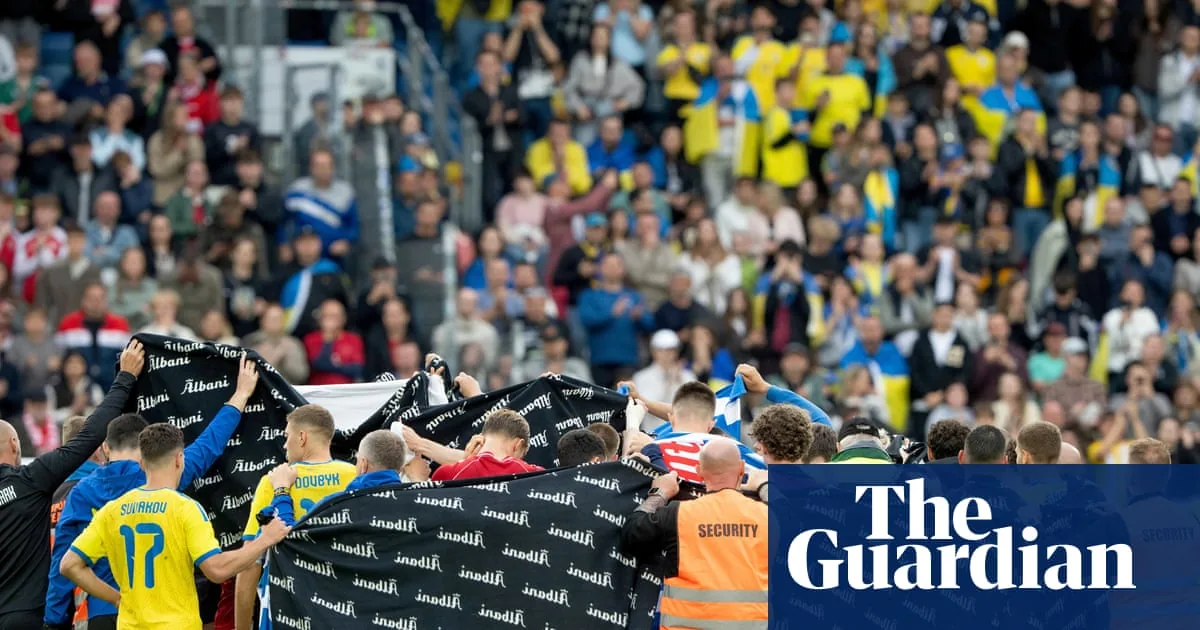
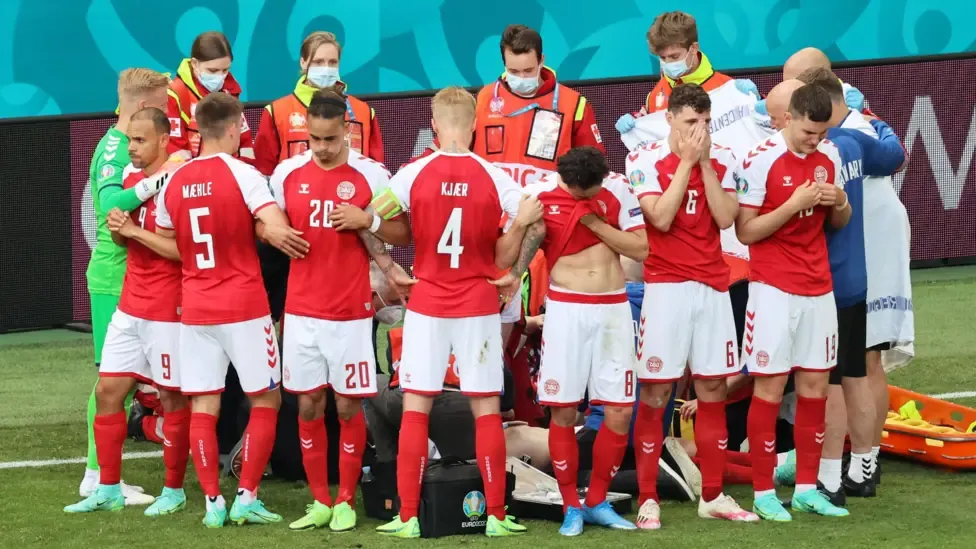
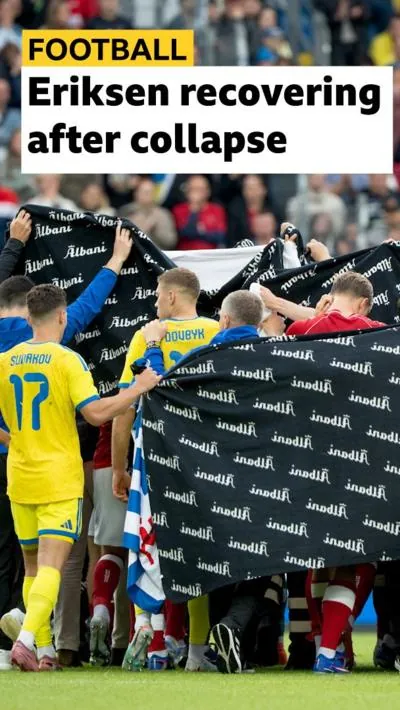
During a recent international friendly against Ukraine in Odense, Denmark midfielder Christian Eriksen collapsed on the pitch. This incident occurred in a match between two sides that did not qualify for the World Cup. Medics quickly attended to Eriksen, who was conscious as he was taken from the field. The referee abandoned the match early.
This event was reminiscent of a previous cardiac arrest Eriksen experienced during a European Championship match in 2021. Following that earlier incident, Eriksen was fitted with an implantable cardioverter defibrillator (ICD) in his chest. This device is designed to reset the heart after a cardiac arrest, allowing him to continue his playing career at both club and international levels.
Morten Boesen, Denmark‘s national team doctor, confirmed that the ICD, which he referred to as a pacemaker, responded as it should. He stated that Eriksen was briefly unconscious but regained consciousness quickly and was able to walk off the pitch. Eriksen is reportedly in good spirits and is expected to be discharged from the hospital soon.
Understanding the Implantable Cardioverter Defibrillator (ICD)
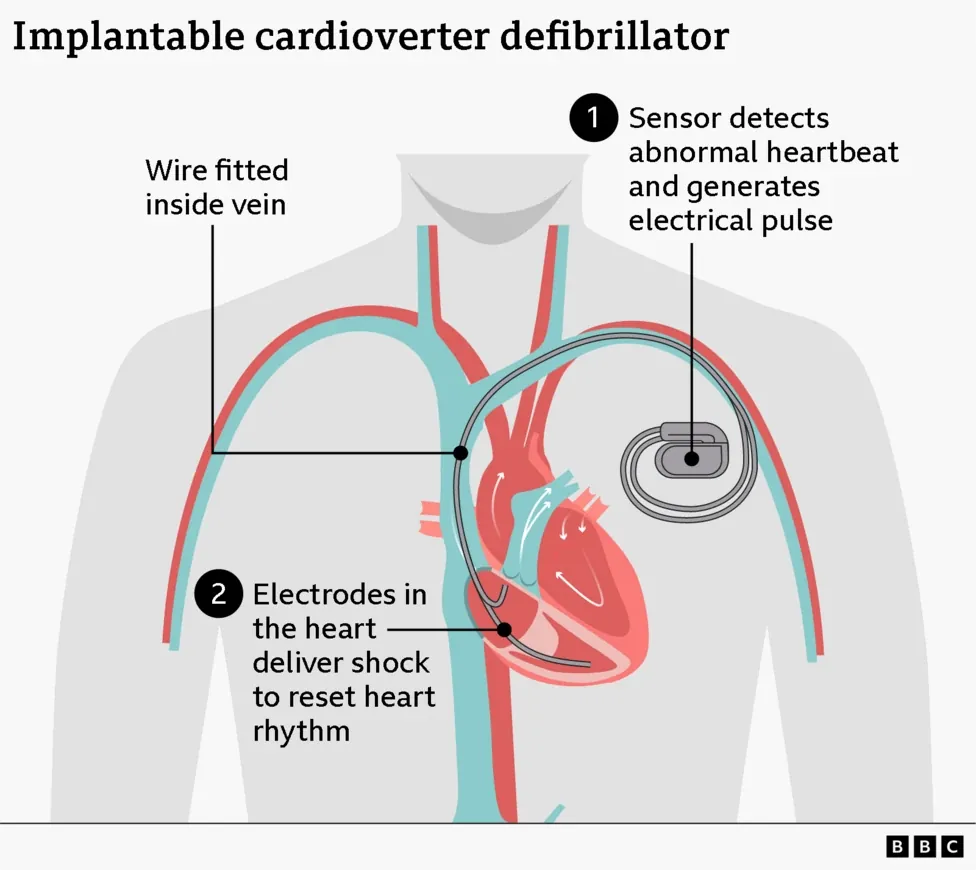
An ICD is a small, life-saving device that detects problems with the heart’s rhythm and attempts to correct them immediately. It functions as a treatment rather than a cure. There are two primary types of ICDs: one is fitted under the skin, typically near the armpit, acting as a mini defibrillator with wires extending to the chest. The other type connects directly to the heart and, similar to a pacemaker, sends regular electrical signals if the heart beats too slowly.
In Eriksen’s situation, the ICD likely delivered an electrical shock after detecting a dangerously fast or abnormal rhythm, aiming to restore the heart to its normal pattern. Professor Aneil Malhotra, a sports cardiologist at the Institute of Sport, Manchester Metropolitan University, described the sensation as feeling like being “thumped in the chest.” He explained that resetting the heart is akin to switching a computer off and on again, highlighting the high effectiveness of ICDs.
Professor Michael Papadakis, a cardiology expert at St George’s, University of London, referred to the device as a “shock box.” He noted that it monitors heart rhythm and, upon detecting a very fast, life-threatening irregularity, will deliver a shock to jump-start the heart. The immediate medical attention Eriksen received in 2021 was crucial, and this time, the internal defibrillator acted as a safety net.
Athletes and ICDs: Risks and Return to Play
The medical perspective on athletes with cardiac issues has evolved significantly. Historically, individuals with heart conditions were advised against participating in any sport, even recreational activities. However, advancements in ICD technology have shown that many athletes with these devices can return to competitive play.
The decision for an athlete to return to elite sport with an ICD involves a shared decision-making process, considering opinions from clubs, players, and medical experts, weighing both risks and potential benefits. While athletes are often willing to take risks, the final decision rests with them. Rules regarding ICDs vary by country; for instance, Italy strictly prohibits footballers with ICDs from playing at any level, whereas the Premier League, where Eriksen played for Brentford and Manchester United, allows it after individual testing.
Fifa and Uefa, along with the Bundesliga, where Eriksen played for Wolfsburg, permit players with ICDs to participate in their competitions. Former England cricketer James Taylor, who retired after being diagnosed with a genetic heart disease and fitted with an ICD, described the device as a “friend” that provides reassurance. He recounted an instance where his ICD activated, feeling like a “mini explosion” in his chest, confirming its function.
Former footballer Clive Clarke, who received an ICD after a cardiac arrest in 2007 while playing for Leicester City, chose to retire despite regaining fitness. He cited concerns about the impact on teammates and staff if another incident occurred. Dr. Steve Cox, chief executive of Cardiac Risk in the Young (CRY), highlighted that sudden cardiac arrests affect many young people, often without prior symptoms. Screening programs, such as those in the UK for professional footballers, aim to identify underlying heart conditions.
Read Also
Source: bbc.co.uk