Introduction
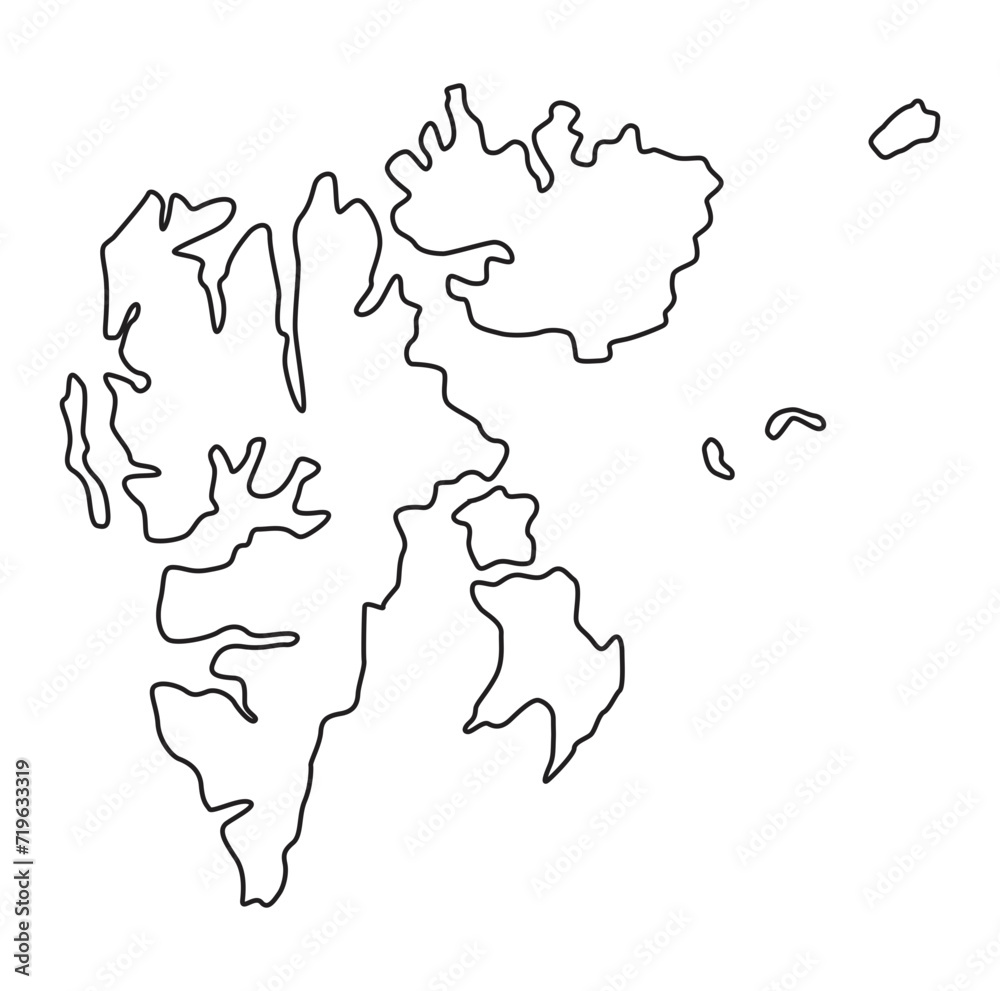
Svalbard, a remote archipelago located in the Arctic Ocean, has become increasingly important as both a natural and geopolitical hotspot. Comprising of several islands, the largest being Spitsbergen, it serves as a critical point for climate research, wildlife conservation, and international relations. Its remote nature, dramatic landscapes, and unique ecosystems make Svalbard a fascinating destination and a vital area for studying the impacts of climate change.
Climate Change and Its Impact
Recent reports indicate that Svalbard is warming at a rate significantly higher than the global average. According to the Arctic Council, temperatures have increased by 4°C over the last few decades, creating profound effects on its glaciers and permafrost. As a result, the archipelago’s natural environment faces unprecedented changes: wildlife habitats are disrupted, polar bears, walruses, and reindeer populations are threatened, and traditional hunting practices are becoming endangered.
The scientific community is increasingly focusing on Svalbard as a case study for climate change, with researchers from various countries collaborating to gather data on melting ice caps and ecosystem shifts. The Svalbard Global Seed Vault, often referred to as the ‘Doomsday Vault,’ has also gained attention as a secure storage facility for seeds from around the world, crucial in preserving biodiversity amidst changing climatic conditions.
Economic Activity and Tourism
Tourism in Svalbard has seen a significant uptick as more visitors flock to experience its breathtaking landscapes and wildlife. In 2023, tourism numbers reached an all-time high, with around 100,000 visitors primarily drawn to activities such as glacier hiking, dog sledding, and observing the northern lights. The industry is keenly aware of sustainability and ecological preservation, prompting local businesses to adopt eco-friendly practices.
On the economic front, mining has historically played a pivotal role in Svalbard’s economy, though climate change and environmental policies have led to a decline in this sector. The focus is now shifting towards sustainable tourism and research initiatives that promote conservation and draw international interest.
Conclusion
Svalbard represents a unique intersection of natural beauty and environmental challenges. As it continues to face the impacts of climate change, the need for research and sustainability becomes increasingly vital. Its role in the future of ecological studies and international cooperation is significant. Readers who are keen on observing the effects of climate change firsthand and desire to experience the unspoiled wonders of the Arctic should consider Svalbard as a compelling destination, but they must also remain mindful of their environmental footprint during their visit.