Introduction
Wuthering Heights, an iconic novel by Emily Brontë, has been adapted into numerous films since its publication in 1847. The story of Heathcliff and Catherine Earnshaw explores themes of love, revenge, and the tumultuous nature of human emotions, making it a compelling narrative for filmmakers. As we delve into the significance of the Wuthering Heights film adaptations, it is evident that these cinematic interpretations continue to resonate with audiences today.
The Classic Adaptations
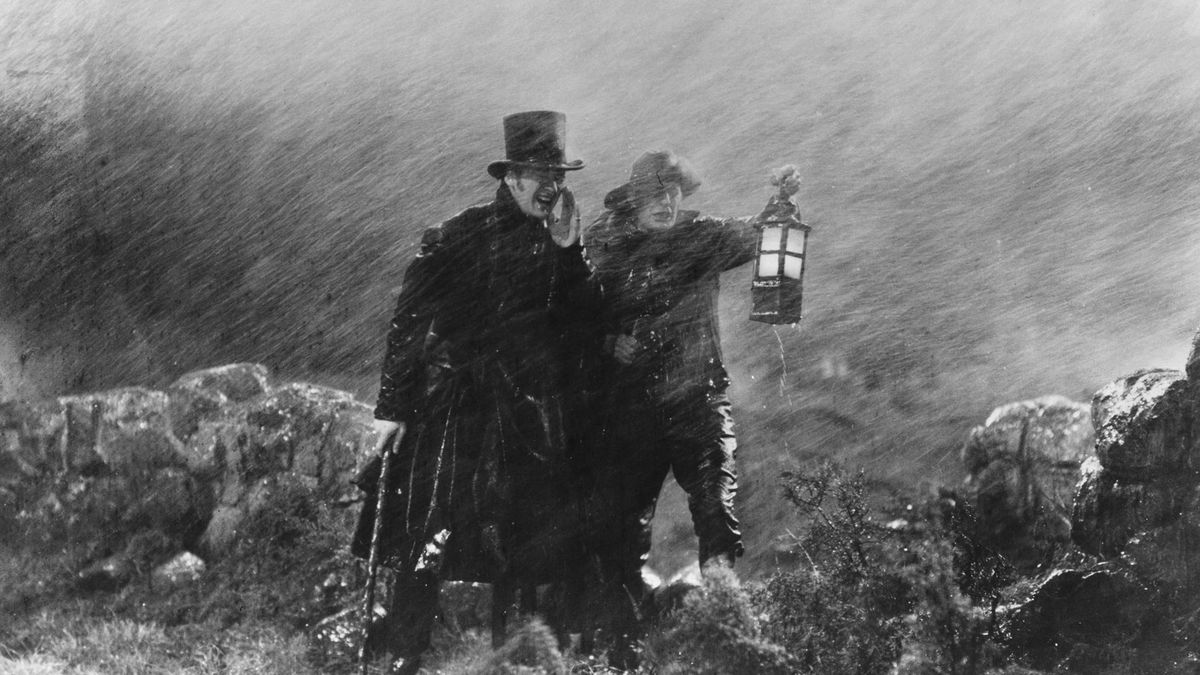
The first notable adaptation of Wuthering Heights was released in 1939, directed by William Wyler. This version starred Merle Oberon as Catherine and Laurence Olivier as Heathcliff, and it is often praised for its lavish production design and the intense performances of its leads. Despite compressing the narrative, this adaptation captivated audiences, earning it a place in film history.
In 1992, a more faithful adaptation directed by Peter Kosminsky was produced. This version endeavoured to remain true to Brontë’s complex character dynamics and darker themes, showcasing the raw emotions that define the story. The performances by Ralph Fiennes and Juliette Binoche received acclaim, however, critics noted the film’s heavy atmosphere might be challenging for viewers seeking a romantic interpretation.
Recent Interpretations
Fast forward to 2011, and Andrea Arnold delivered a fresh, gritty interpretation of Wuthering Heights. Her film took a more visceral approach, focusing on the raw physicality and landscape influences on the characters’ psyche. Arnold’s adaptation received praise for its cinematography and for bringing a contemporary edge to the classic text. The film, however, prompted divided opinions on its deviation from the original plot structure, demonstrating the ongoing challenge filmmakers face when adapting timeless stories.
Impact on Cinema
As of 2023, the relevance of Wuthering Heights in film remains strong. Recent discussions surrounding adaptations highlight an ongoing interest in revisiting this classic work, demonstrating that the themes of love, revenge, and obsession continue to resonate with modern audiences. Streaming platforms have renewed interest, with new adaptations being announced that aim to reinterpret Brontë’s classic tale for contemporary viewers.
Conclusion
In conclusion, the Wuthering Heights film adaptations serve as a testament to the enduring power of Brontë’s narrative, as it continues to inspire filmmakers across generations. As cinema evolves, the challenge remains to capture the essence of the story while making it relatable to new audiences. Whether through classic or modern interpretations, Wuthering Heights remains a vital part of film history, offering rich narratives that compel both viewers and filmmakers alike.