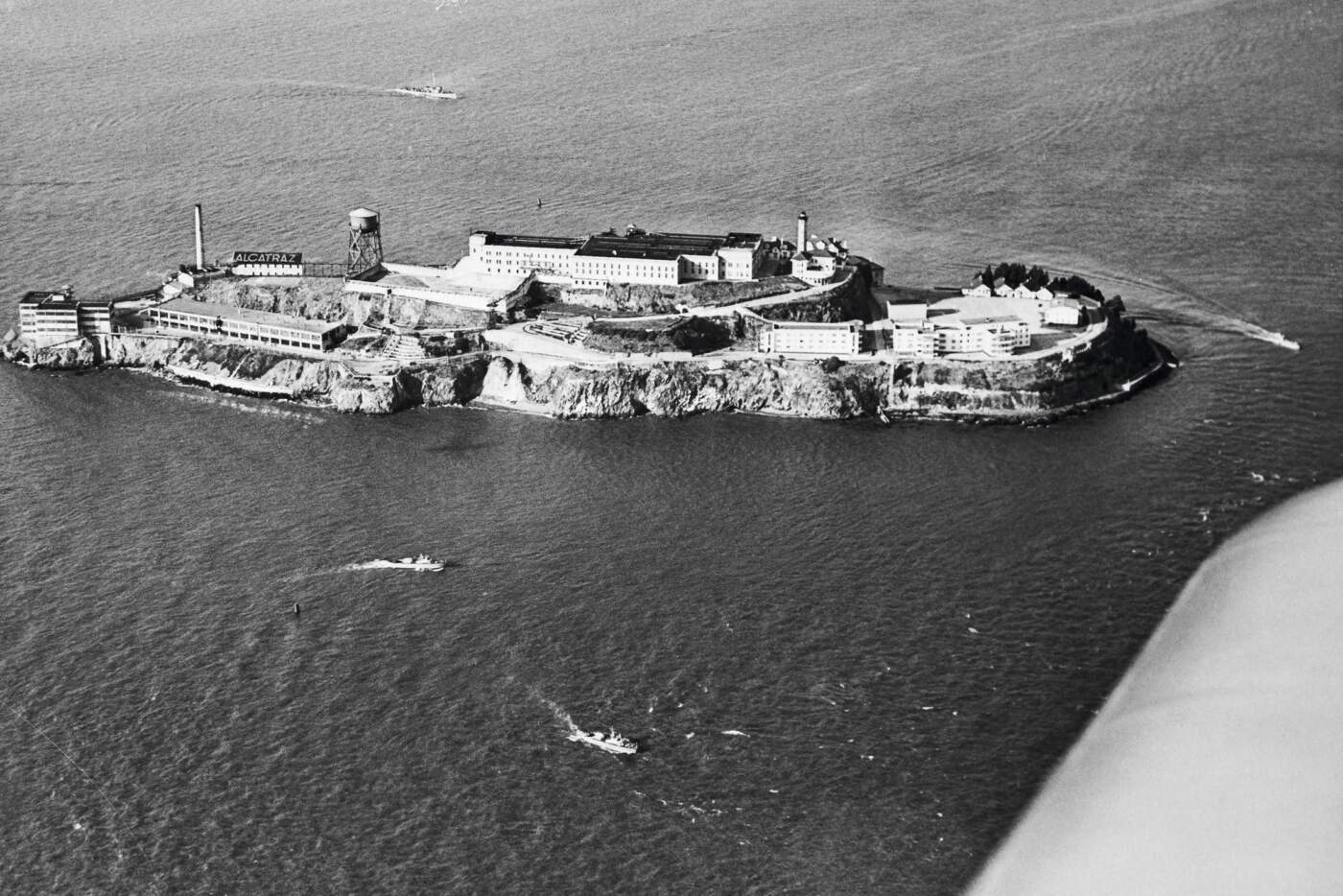
Introduction to Alcatraz Island
Alcatraz Island, once known as a maximum-security federal prison, remains a significant symbol of law enforcement and criminal justice in the United States. Located in San Francisco Bay, it served as a home to some of the most notorious criminals, including Al Capone and George ‘Machine Gun’ Kelly. The island’s history not only reflects the challenges of managing high-risk offenders but also highlights the complexities involved in American penal reform.
A Brief History
Alcatraz was initially developed as a military fort in the 1850s and later repurposed into a prison in 1934. Its isolated location made it an ideal site for a high-security facility, designed to house inmates who were disruptive in other prisons. During its 29 years of operation, Alcatraz housed around 1,500 inmates, and while it was thought to be escape-proof, a few daring attempts were made, the most famous being the 1962 Alcatraz escape, which has since become a part of American folklore.
The Prison’s Closure
In 1963, Alcatraz was closed due to a combination of high operational costs and the deteriorating condition of the facilities. The prison’s abandonment opened the door for discussions about the treatment of detainees and the future of correctional facilities in the US. In 1972, Alcatraz was designated as a National Historic Landmark, signifying its importance in American history.
Present-Day Alcatraz
Today, Alcatraz is a popular tourist destination, drawing hundreds of thousands of visitors each year. The National Park Service administers the site, providing educational programs to showcase its history. Visitors can explore the remains of the prison, listen to audio tours featuring stories from former inmates and guards, and learn about the Native American occupation that took place in the 1970s as part of a larger movement for Native rights.
Conclusion
Alcatraz Island remains an enduring symbol of America’s historical penal system and a powerful reminder of the need for reform in correctional practices. As the island continues to attract interest from historians, tourists, and scholars alike, it serves as a site of reflection on the implications of justice and rehabilitation in society. Looking ahead, discussions about the legacy of institutions like Alcatraz could influence contemporary views on rehabilitation and incarceration, making it relevant in today’s social discourse.