Introduction
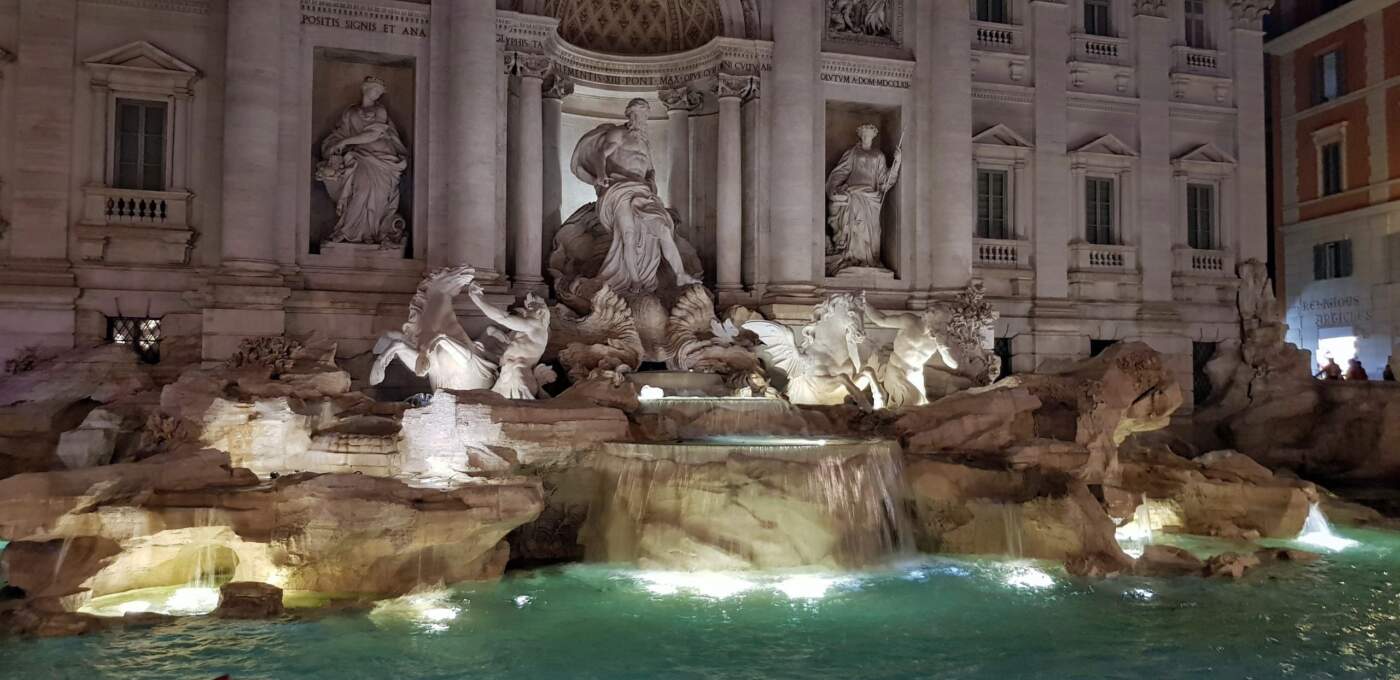
The Trevi Fountain, or Fontana di Trevi, is one of Rome’s most iconic landmarks and a symbol of the city’s rich history and artistry. As the largest Baroque fountain in the city, it not only attracts millions of tourists annually but also holds a special place in popular culture. The fountain’s striking design, intricate sculptures, and historical significance make it a highlight of any visit to Rome.
Historical Background
The Trevi Fountain as we know it today was completed in 1762, designed by Italian architect Nicola Salvi. It was inspired by the themes of water and abundance, as well as the ancient aqueduct of Aqua Virgo, which has supplied water to the city since 19 BC. The fountain features a stunning central figure of Oceanus, the god of the sea, flanked by allegorical representations of Abundance and Health. Interestingly, the site was originally the location of a Roman water source, making its significance even deeper.
Recent Events and Renovations
In recent years, the Trevi Fountain has undergone extensive restoration projects to maintain its grandeur and ensure its preservation for future generations. A significant overhaul was completed in 2015, funded by the luxury fashion brand Fendi, which contributed €2.2 million. The restoration cleaned centuries of grime, repaired damage, and enhanced the fountain’s lighting, allowing visitors to appreciate its beauty at night.
Current Visitor Experience
Today, the Trevi Fountain continues to be a bustling hub for tourists. Visitors often participate in the tradition of tossing a coin into the water, which is said to ensure a return to Rome. According to recent estimates, around €1.5 million is thrown into the fountain annually, with collection proceeds donated to charity. This practice exemplifies the enduring connection between the fountain and the people who visit it.
Conclusion
The Trevi Fountain is not only a masterpiece of Baroque architecture but also a cherished emblem of Roman culture and tradition. As Rome continues to evolve, the fountain remains a steadfast attraction that bridges the past and present. Visitors can expect continued improvements and maintenance efforts to keep this remarkable landmark in prime condition. For those planning a trip to Rome, the Trevi Fountain remains an unmissable experience, steeped in history and enchantment.