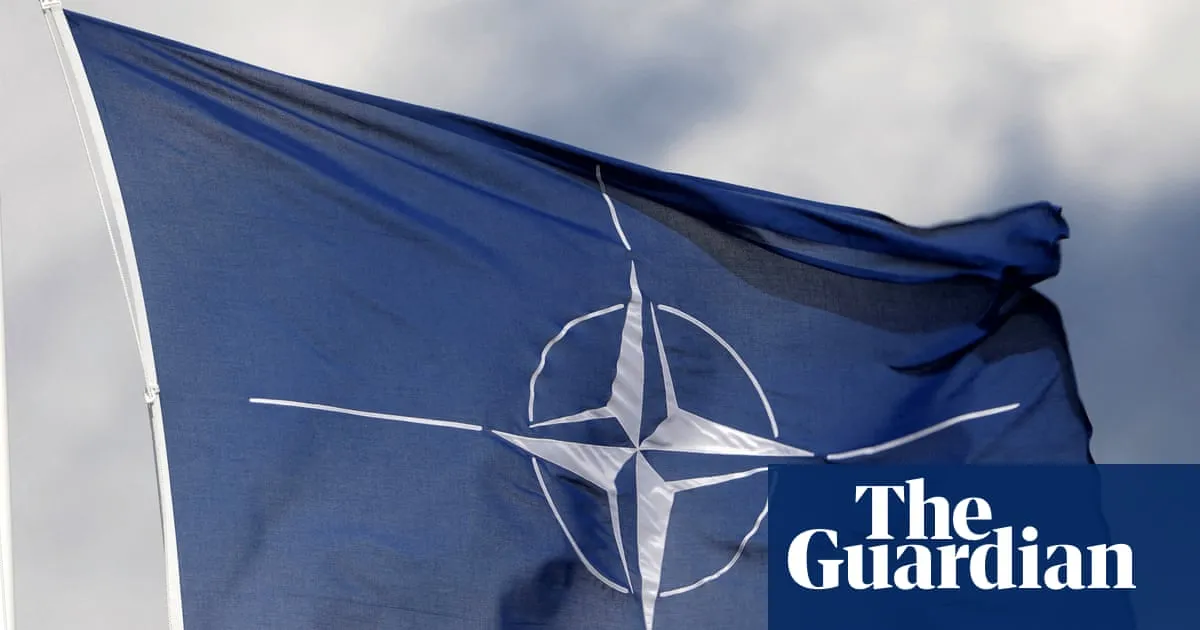
NATO’s recent engagement with film and TV professionals raises a pressing question: is art being co-opted for propaganda? As NATO holds closed-door meetings across Europe and the US, many are concerned about the implications of using creative industries to bolster defense spending.
Key facts:
- NATO has conducted three meetings with film and TV professionals, focusing on security issues.
- The upcoming meeting in London will address the evolving security situation in Europe.
- Defence spending in Ireland has surged to record levels following Russia’s invasion of Ukraine.
- An Ipsos poll indicates that 49% of voters in the Republic of Ireland oppose joining NATO.
Alan O’Gorman, a screenwriter, expressed his outrage at NATO’s plans, calling them “outrageous and clearly propaganda.” He noted that many individuals connected to NATO come from countries that have suffered due to wars involving NATO forces. “A lot of people, myself included, have friends and family or themselves come from countries that are not in NATO, that have suffered under wars that NATO has joined and propagated,” he stated.
Despite this backlash, supporters argue that fostering relations between NATO and the arts could help build public support for increased defense spending. A spokesperson for the Writers’ Guild of Great Britain clarified that the invitation extended to screenwriters was meant to facilitate a two-way conversation about security policy.
In 2024, eight screenwriters will visit NATO’s headquarters to learn more about these policies. This initiative is part of a broader effort by NATO to engage with creative minds, which some view as an attempt to influence public perception through storytelling.
As discussions continue, one thing remains clear: the intersection of art and politics can be contentious. The debate around NATO’s role in the arts highlights deeper societal questions about how nations communicate their values and policies through culture. With nearly half of Irish voters opposed to joining NATO, it seems there’s still much work to be done in shaping public opinion around these critical issues.