Introduction
Flu symptoms are crucial indicators of health that can impact individuals’ wellbeing during the winter months. As we approach the flu season, recognising the signs and symptoms becomes particularly relevant for public health. Understanding these symptoms helps individuals respond quickly, seek appropriate medical advice, and reduce the spread of the virus.
Common Symptoms of Influenza
Influenza, commonly known as the flu, typically presents a range of symptoms that may vary from mild to severe. Key symptoms include:
- Fever: A high temperature often characterises the flu, although not everyone with the virus will experience fever.
- Cough: A dry, persistent cough is common among those infected.
- Sore throat: Many individuals report a scratchy or painful throat.
- Muscle Aches: Body aches and muscle pain are frequent complaints.
- Fatigue: Extreme tiredness can occur, lasting days or even weeks.
- Headache: Severe headaches can accompany other symptoms.
- Chills: Chills and sweating are also common signs of influenza.
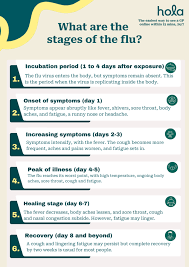
According to the Centres for Disease Control and Prevention (CDC), flu symptoms typically appear one to four days after exposure to the virus. For most, the symptoms last between five to seven days.
When to Seek Medical Attention
While many people recover from the flu without needing medical intervention, there are specific situations where seeking help is essential. Individuals, especially those in high-risk groups such as the elderly or those with pre-existing health conditions, should consult healthcare providers if they experience:
- Difficulty breathing or shortness of breath
- Chest pain or pressure
- Dehydration symptoms
- Persistent or severe vomiting
- Confusion or difficulty waking up
Conclusion
Recognising flu symptoms is vital for timely treatment and preventing the spread of the virus to others. With the current spike in flu cases reported this season, health experts emphasise the importance of vaccination and proper hygiene measures to protect oneself and the community. By staying informed about the symptoms, individuals can take proactive steps towards their health and contribute to public health efforts.