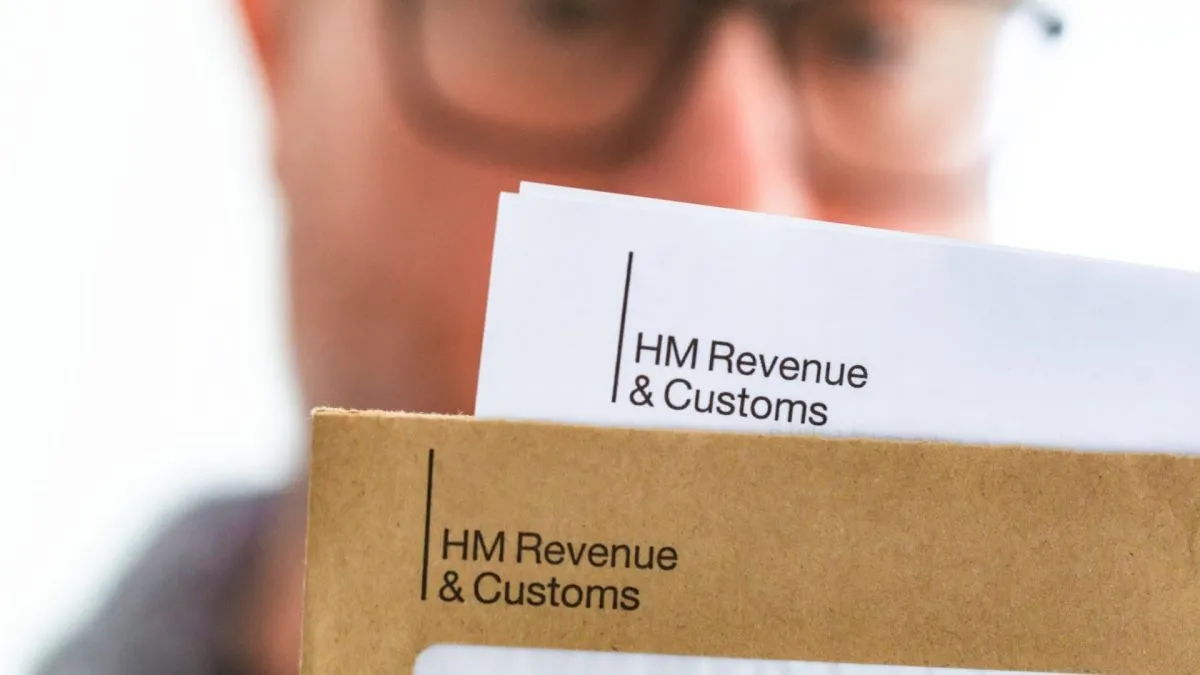
As the United Kingdom moves towards a more digital economy, many taxpayers are surprised to learn that HMRC is still sending out cheques for tax refunds. This practice, which has been in place for years, continues to affect a significant number of individuals who may not be aware of their unclaimed funds.
In the past year alone, HMRC issued a staggering 1,746,720 cheques. However, a concerning 178,180 cheques were never cashed, resulting in a total value of £144 million in unclaimed funds. This means that many taxpayers are missing out on an average repayment of approximately £800 each.
The situation is particularly pressing as HMRC has been gradually reducing cheque usage since 2024, with a targeted transition to a digital-first system set for April 2027. Currently, around 20% of taxpayers have not yet been migrated to this new digital system, leaving them vulnerable to missing out on their rightful repayments.
Historically, if taxpayers did not respond to HMRC correspondence within 21 days, a cheque would be issued to the address on file. This method, while traditional, has raised concerns about its effectiveness in a rapidly evolving digital landscape. Robert Salter, a tax expert, remarked, “It is certainly a bit problematic that HMRC continues to use cheques to settle tax refunds in so many cases.”
Shaun Moore, another financial analyst, pointed out that “the data highlights how some parts of the tax system are still struggling to keep pace with a digital economy.” This sentiment reflects a growing frustration among taxpayers who are eager for a more streamlined and efficient process.
In conclusion, while HMRC’s cheque issuance may be on the decline, the significant number of unclaimed cheques serves as a reminder of the importance of staying engaged with one’s financial affairs. As the transition to a digital system continues, it is vital for taxpayers to remain proactive in claiming their refunds and adapting to the changing landscape of the UK tax system.