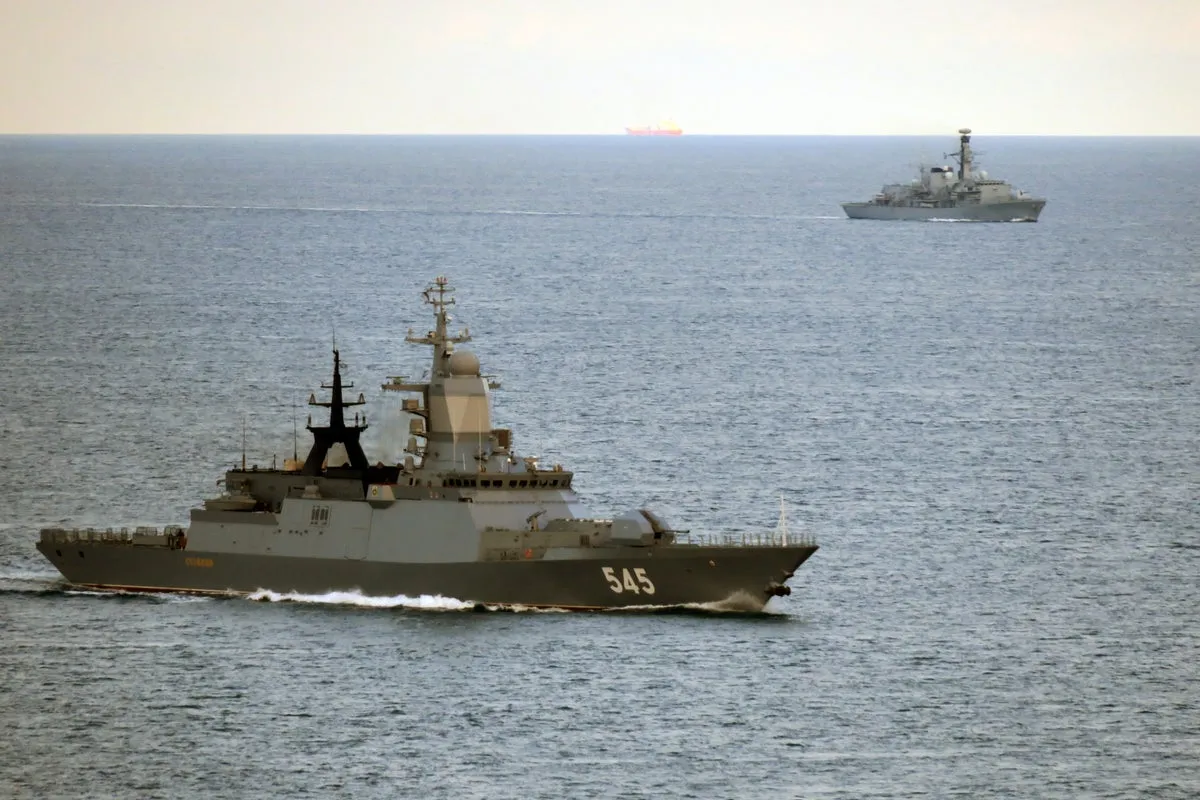
The withdrawal of HMS Iron Duke has left the Royal Navy with just five operational frigates, sparking concerns about the fleet’s sustainability and its ability to meet NATO operations. This decision comes after HMS Iron Duke had not been operational at sea since October 2025.
In recent years, the Royal Navy has seen a significant reduction in its active frigate fleet. The Ministry of Defence confirmed that HMS Iron Duke was stripped of its weapons and sensors, and the planned conversion project for the vessel was cancelled.
The ship underwent a complex refit costing £103 million, taking 49 months and over 1.7 million man-hours to complete. Despite these efforts, it was laid up in Portsmouth since 2017 before being withdrawn from service.
Currently, the remaining operational frigates are under immense pressure to sustain operations in the Atlantic. With HMS Richmond also confirmed for decommissioning this year, the situation appears dire.
As Luke Pollard noted, “Given the platform’s remaining service life, the time required to complete the conversion, and competing operational priorities, the benefits of proceeding did not justify the additional cost or extended period out of service.” This sentiment reflects growing frustrations regarding defence spending and fleet capabilities.
The Royal Navy anticipates that new Type 26 and Type 31 frigates will join the fleet before 2030, but many worry about the widening capability gap in the interim. Observers have remarked that this gap seems to be getting longer and deeper than even previous pessimistic forecasts.
The exact reasons behind HMS Iron Duke’s withdrawal remain unclear. Officials have not disclosed any potential defects that may have influenced this decision.