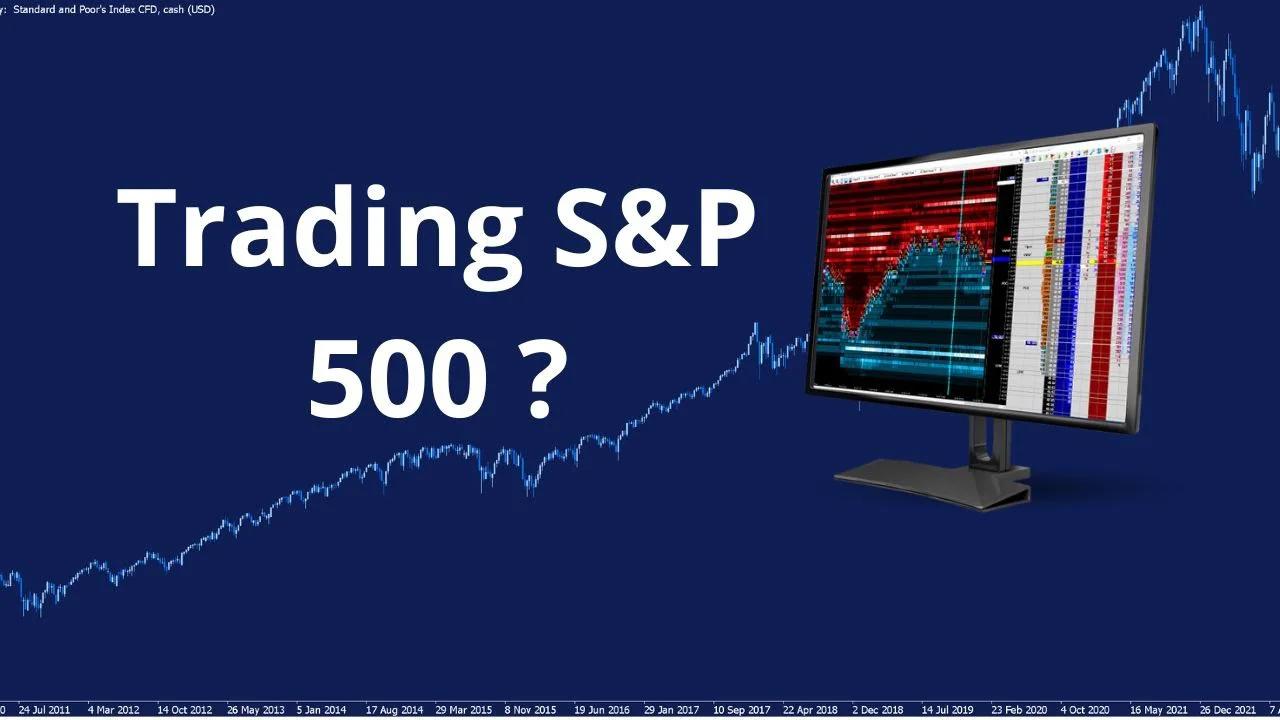
Introduction to the S and P 500
The S and P 500, or Standard and Poor’s 500, is a key benchmark in the U.S. stock market, comprising 500 of the largest publicly traded companies. It serves as a primary indicator of the American economy and the overall health of the equity market. Monitoring the performance of the S and P 500 is critical for investors and analysts as it reflects trends and potential shifts in market sentiment.
Recent Trends in the S and P 500
As of October 2023, the S and P 500 has experienced notable fluctuations driven by various macroeconomic factors. After reaching significant highs earlier in the year, the index showed signs of volatility amid fluctuating inflation rates and ongoing geopolitical tensions, particularly surrounding international trade policies.
In the most recent quarterly reports, a diverse range of sectors influenced the index’s performance. Information technology and consumer discretionary stocks demonstrated resilience, benefiting from strong earnings reports and robust consumer spending patterns. Conversely, the energy sector faced challenges due to fluctuating oil prices and supply chain disruptions, which adversely affected certain industry players.
Impact on Investors
The fluctuations of the S and P 500 profoundly impact investment strategies. Long-term investors often view the index as a bastion of stability, using it as a gauge for portfolio diversification. Meanwhile, active traders might capitalise on the volatility, adjusting their positions based on market trends.
Investment analysts recommend monitoring the S and P 500 closely as it can provide critical insights into broader economic trends and investor sentiment. Moreover, retail investors are increasingly utilising exchange-traded funds (ETFs) that track the S and P 500 to gain exposure to these large-cap stocks without needing to buy individual shares.
Conclusion
The S and P 500 continues to be a vital barometer for investors, reflecting the broader economic climate and the performance of major industries. As we move into the final quarter of 2023, market analysts suggest that investors remain vigilant regarding macroeconomic conditions, including interest rate changes, inflation pressures, and geopolitical developments, which could significantly influence the index’s trajectory. Maintaining an awareness of these factors can help investors navigate the complexities of the market effectively.