Mojtaba Khamenei’s Ascension
Mojtaba Khamenei was appointed as Iran’s new supreme leader on March 9, 2026, following the death of his father, Ali Khamenei, who was killed in US-Israeli strikes. This transition comes at a time when Iran is facing significant internal and external challenges, leading many to view the appointment as a crucial moment in the nation’s political landscape.
Continuity Amid Crisis
Prior to this development, there were widespread expectations regarding the future leadership of Iran, especially considering the turmoil surrounding the previous administration. Mojtaba Khamenei’s appointment is perceived as a sign of continuity for Iran amid a major crisis, particularly given his strong ties with the Islamic Revolutionary Guard Corps (IRGC) and his reputation as a hardliner. His lack of prior formal government experience raises questions about his approach to governance, yet his immediate backing from IRGC leaders and other political figures suggests a unified front in the face of adversity.
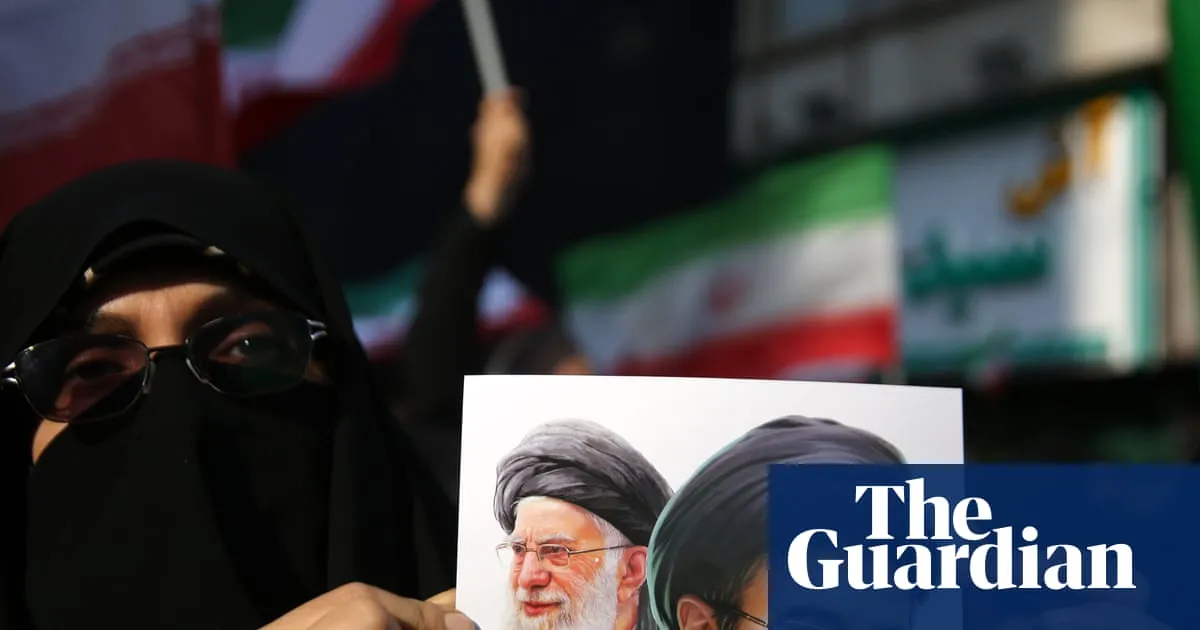
The immediate effects of Khamenei’s appointment have been notable. Crowds in Tehran expressed their support, proclaiming, “God’s hand is still upon us, Khamenei is still our leader.” This sentiment reflects a significant level of public backing, which is crucial for his legitimacy. Additionally, regional leaders have responded positively; Oman’s Sultan sent a congratulatory message, and Iraqi Prime Minister Mohammed Shia al-Sudani expressed confidence in Khamenei’s leadership. Conversely, US President Donald Trump dismissed him as a “lightweight,” indicating a continued adversarial stance from the United States.
International Perspectives
International reactions further illustrate the contrasting views surrounding Khamenei’s leadership. Russian President Vladimir Putin pledged “unwavering support” for Iran after Khamenei’s appointment, signaling a potential strengthening of ties between the two nations. In contrast, the Israeli Foreign Ministry remarked, “Mojtaba Khamenei. Like Father Like Son,” suggesting skepticism about the continuity of Iran’s hardline policies under his leadership.
Support from Allies
Khamenei’s appointment has also been welcomed by Yemen’s Houthis, who view it as a victory for the Islamic Revolution. This endorsement from allied groups indicates a potential shift in regional dynamics, as Khamenei may seek to solidify Iran’s influence across the Middle East. The backing from the IRGC and other political figures within Iran further reinforces his position, suggesting a concerted effort to maintain stability during uncertain times.
Expert Insights
Experts have noted that while Khamenei’s leadership may bring continuity, it also raises questions about how he will navigate the complex political landscape within Iran. Ezzatollah Zarghami described him as a proponent of dialogue and listening to others’ voices, highlighting a potential for a more inclusive approach. However, his hardliner reputation may complicate efforts to engage with various factions within the country.
Uncertainties Ahead
As Mojtaba Khamenei steps into his new role, uncertainties remain regarding his physical and emotional health following personal losses, as well as how he will relate to other centers of power inside Iran. Details remain unconfirmed, but these factors will undoubtedly play a significant role in shaping his leadership and Iran’s future direction.