Reaction from the field
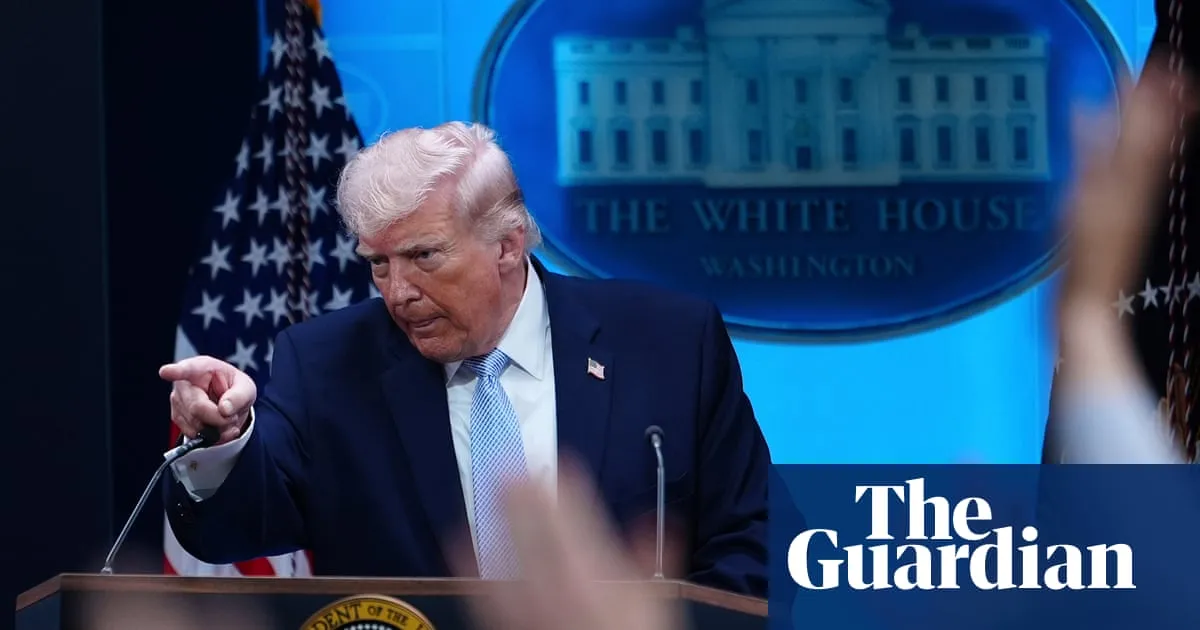
The recent threat made by President Donald Trump against a journalist who reported on a missing US airman in Iran has stirred significant concern regarding press freedom and the safety of journalists. During a press conference at the White House, Trump claimed that the leak of information endangered the airman and compromised the rescue operation, stating, “They put this mission at great risk.” This alarming statement underscores the high stakes involved in military operations and the role of the media in reporting on such sensitive issues.
Trump’s comments came after the US military successfully rescued the missing airman, who had hidden from capture. The President’s assertion that the leak prompted Iran to offer a reward for the capture of the pilots adds another layer of complexity to the situation. The President’s history of threatening journalists who publish unfavorable information has raised alarms among press advocates, particularly in light of this latest incident.
In a bold declaration, Trump stated, “We are gonna go to the media company that released it and we are going to say ‘national security, give it up or go to jail’.” This threat not only targets the journalist involved but also raises questions about the broader implications for media organizations that report on government activities. The White House has not specified which media company Trump was referring to, leaving many in the industry concerned about the potential for increased pressure on journalists.
Seth Stern from the Freedom of the Press Foundation defended the rights of journalists, emphasizing that “Journalists don’t work for the government and their right to publish government leaks is protected by the first amendment.” This statement highlights the ongoing tension between government officials and the press, particularly in times of crisis when information is critical.
Trump’s remarks also reflect his ongoing frustration with negative media coverage, particularly regarding the US-Israeli war on Iran. His administration’s approach to handling leaks and media relations has been characterized by a confrontational stance, which many believe undermines the essential role of a free press in a democratic society.
As the situation continues to unfold, the implications of Trump’s threats against journalists remain uncertain. The balance between national security and the public’s right to know is a delicate one, and the actions taken by both the government and the media in the coming days will be closely scrutinized. Details remain unconfirmed about the specific media outlet involved and the potential repercussions for the journalist threatened.
In a world where information is power, the relationship between the government and the press is more critical than ever. The outcome of this incident may set a precedent for how future interactions between journalists and government officials are handled, particularly in sensitive situations involving national security.