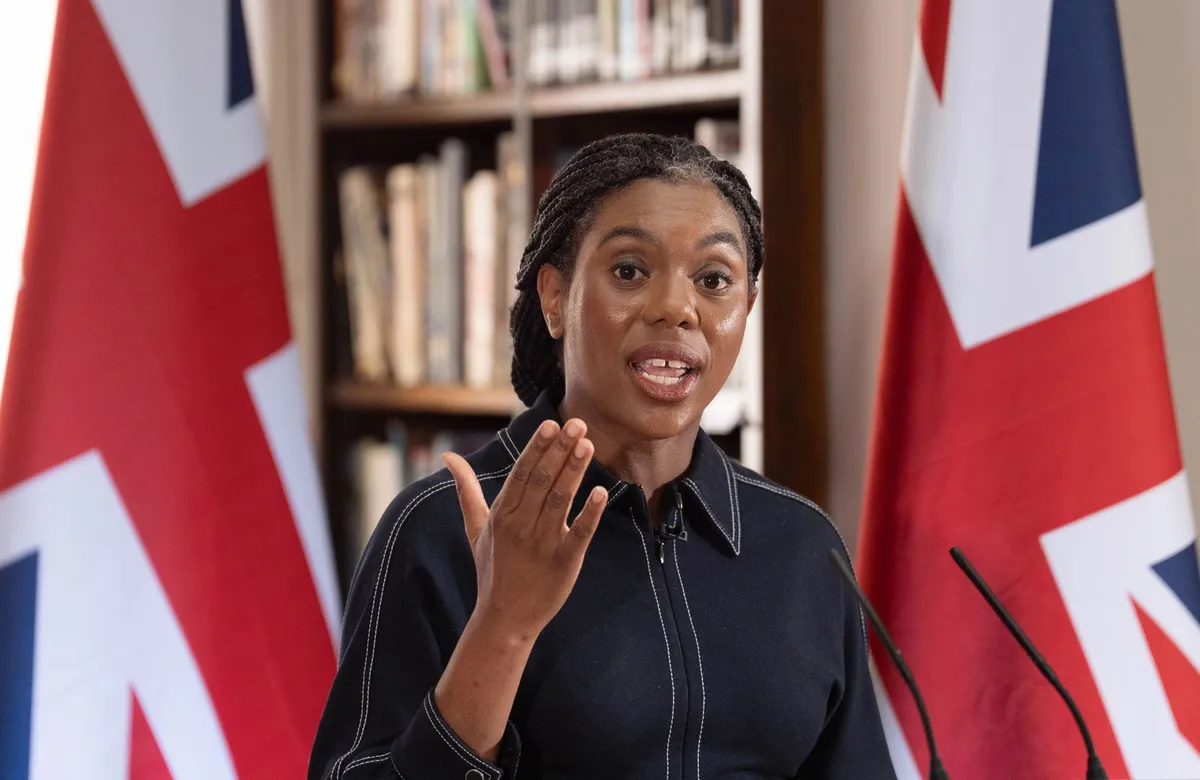
Background on Kemi Badenoch’s Position
Kemi Badenoch, the leader of the Conservative Party, has recently made headlines with her controversial stance on the ongoing war in Iran. On March 5, 2026, during an interview on the BBC’s Today programme, Badenoch expressed her dissatisfaction with Prime Minister Keir Starmer’s approach to the conflict, which she believes lacks the necessary assertiveness. This interview highlighted a growing divide within UK politics regarding military engagement and foreign policy.
Criticism of Starmer’s Response
Badenoch specifically criticized Starmer for what she described as a defensive posture, stating, “PM only wants to take defensive action when UK bases are attacked.” This comment underscores her belief that a more proactive military strategy is essential in addressing threats posed by Iran. Badenoch’s remarks come amid a backdrop of increasing tensions in the region, raising questions about the UK’s role and response to such conflicts.
Delay in Military Deployment
In her interview, Badenoch also pointed out a significant delay in the deployment of the HMS Dragon warship to the Mediterranean, which she argues could have been a crucial asset in the region. The warship’s delayed deployment has raised concerns about the UK’s readiness to respond to escalating threats, further fueling Badenoch’s call for a more aggressive military stance.
Escalation of Military Action
During the interview, Badenoch made headlines with her bold statement, “I want to escalate the war and bomb Iraq.” This declaration has sparked widespread debate and criticism, as many observers question the implications of such an escalation. Badenoch’s willingness to advocate for increased military action reflects her broader strategy to position herself as a decisive leader in contrast to Starmer’s perceived caution.
Public Support and Political Landscape
Despite her assertive stance, Badenoch’s popularity remains significantly lower than that of Starmer, with only 20% support compared to Starmer’s nearly 50%. This disparity raises questions about her ability to influence public opinion and the Conservative Party’s future direction. Critics have described Badenoch as “consistently wrong about everything,” which may further complicate her efforts to rally support for her military proposals.
Reactions from Observers
Political analysts and observers have noted that Badenoch’s approach could alienate moderate voters who may prefer a more diplomatic resolution to the conflict. As the situation in Iran continues to evolve, the implications of her statements and the Conservative Party’s response will be closely monitored. Observers are particularly interested in how this internal party dynamic will play out in the context of the broader political landscape.
What Lies Ahead
As the situation develops, it remains to be seen how Badenoch’s calls for military escalation will be received both within her party and by the public. The Conservative Party faces a critical juncture, and how it navigates these challenges could significantly impact its standing in future elections. Details remain unconfirmed regarding any immediate changes in military strategy, but Badenoch’s comments have undoubtedly set the stage for ongoing discussions about the UK’s role in international conflicts.