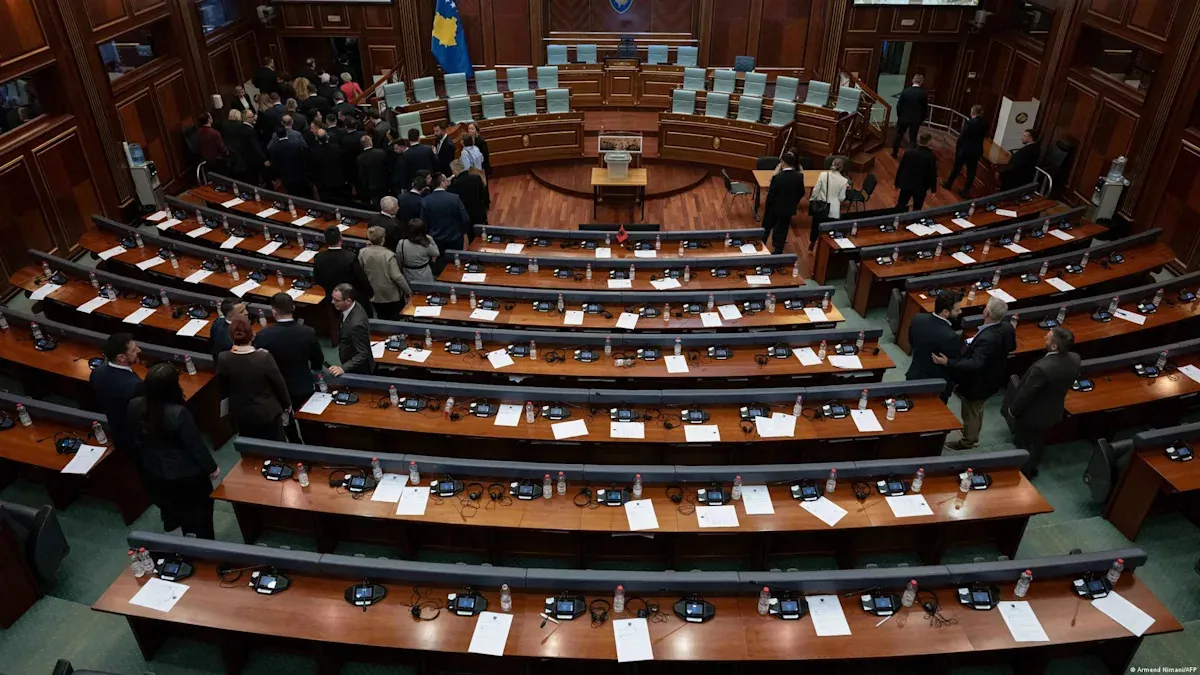
“We would like to see all political groups cooperate for the best interests of the people of Kosovo,” said a US State Department spokesperson as Kosovo braces for another round of elections on June 7, 2026. The country has seen its parliament dissolve due to an inability to elect a president, leading to this snap election—its third in just over a year.
Kosovo’s political landscape has been tumultuous since February 2025, when a series of crises began to unfold. The caretaker government led by Albin Kurti currently holds power without parliamentary backing. Vjosa Osmani had planned to run for re-election but lacked the necessary support from Kurti’s party, Vetevendosje.
The last elections on December 28, 2025, saw a voter turnout of only 45 percent, reflecting growing disillusionment among the electorate. With approximately 2 million eligible voters in Kosovo, many are questioning the effectiveness of their representatives.
Key facts about the upcoming elections:
- The Central Election Commission has set a budget of 10,887,000 euros for these early elections.
- The campaign period will run from May 28 until June 7, 2026.
- Political parties must declare their participation between May 2 and May 7, 2026.
The ongoing political deadlock not only raises concerns domestically but also impacts Kosovo’s aspirations for EU integration and dialogue with Serbia. Ehat Miftaraj noted that this instability has led to international questions about Kosovo’s foreign policy coherence.
Meanwhile, on May 3, 2026, the Albanian veterans’ national team will face off against Kosovo veterans in a friendly match—an event that highlights shared histories even amidst political strife. As one veteran remarked, “Football can unite us even when politics divides us.”
As Kosovo prepares for yet another election cycle amid uncertainty and unrest, many hope this time will yield more stability and cooperation among political factions. However, with a history of ad hoc alliances rather than cohesive partnerships, skepticism remains high among citizens.