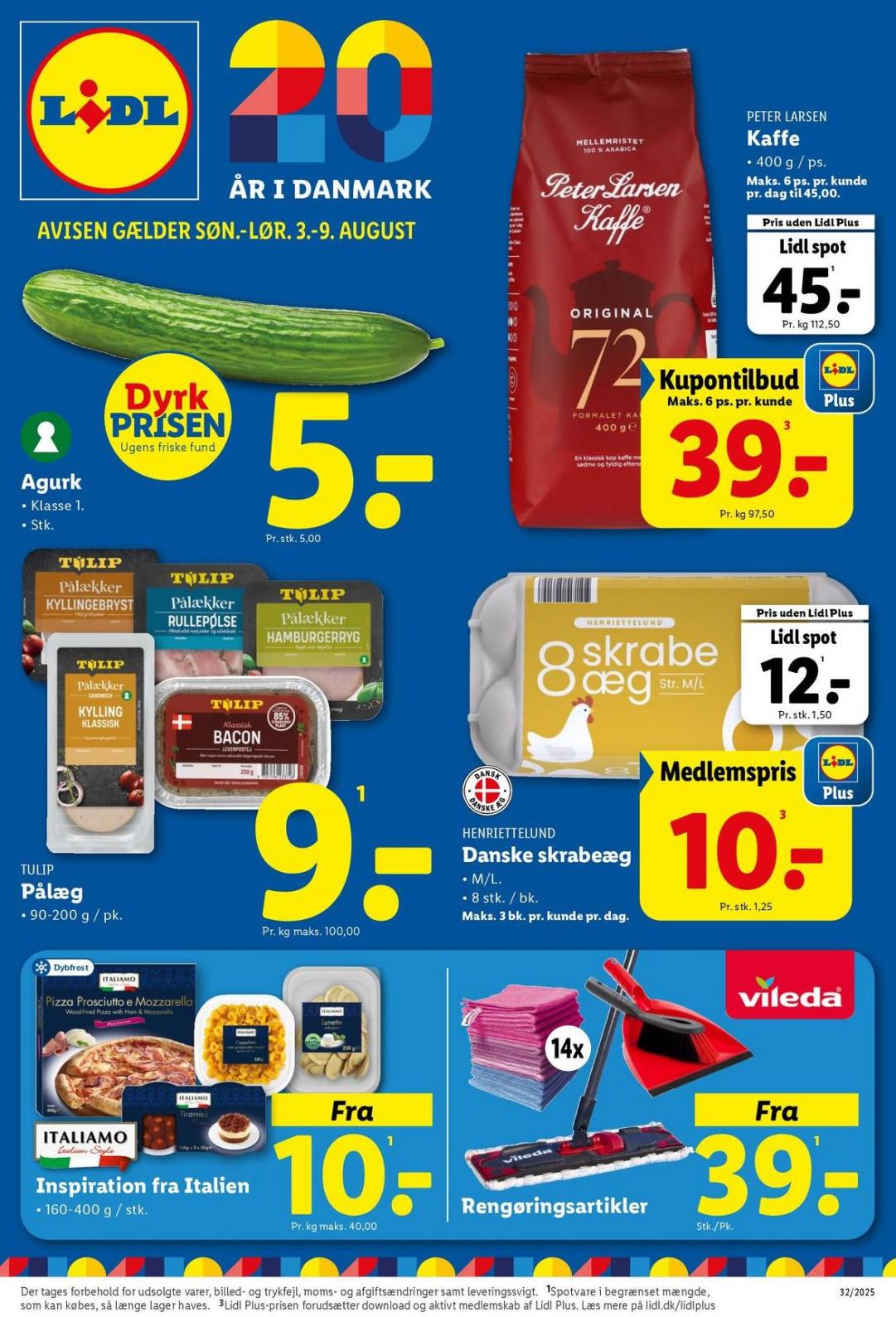
Introduction: The Rise of Lidl in the UK
Lidl, the German discount supermarket chain, has been making significant strides in the UK retail market over the past decade. Its commitment to offering quality products at affordable prices has resonated with consumers, making it a formidable competitor to traditional supermarkets. With the rise of inflation and the cost-of-living crisis, consumers are increasingly drawn to discount retailers like Lidl, making this topic particularly relevant as we observe an evolving shopping landscape.
Recent Developments and Expansion Efforts
As of 2023, Lidl operates over 900 stores across the UK, with plans to increase that number to 1,000 by 2025. Recently, the company announced new store openings in various regions, including northern England and Scotland, focusing on underserved areas to enhance accessibility for customers. Lidl is also investing in upgrading its existing stores and expanding its product range, which now includes an extensive selection of fresh produce and premium offerings under its ‘Deluxe’ label.
In addition to physical expansions, Lidl has been embracing sustainability by implementing eco-friendly practices. This includes reducing plastic usage in its packaging, committing to carbon neutrality by 2025, and working towards ensuring all fish sold in its stores is sustainably sourced.
Consumer Response and Market Competition
The response from consumers has been overwhelmingly positive, with Lidl consistently receiving high marks for value and product quality in various customer satisfaction surveys. Its no-frills approach has attracted a loyal customer base, particularly among those seeking to cut down on grocery bills amidst rising prices.
However, Lidl is not without competition. Rival discount retailers like Aldi have also been expanding their footprint, leading to a fierce battle for market share. Traditional supermarket chains, such as Tesco and Sainsbury’s, are now reevaluating their pricing strategies and product offerings to retain customers who might be tempted by Lidl’s bargain deals.
Conclusion: Significance of Lidl’s Growth
Lidl’s expansion and evolving strategies signify a shift in consumer behaviour, reflecting a growing preference for value without compromising on quality. As the market landscape continues to change, Lidl’s ability to adapt to consumer needs will likely play a crucial role in shaping the future of grocery shopping in the UK. Observers can expect to see continued growth from Lidl as it navigates this competitive environment, ensuring its position as a leader in the discount supermarket segment.