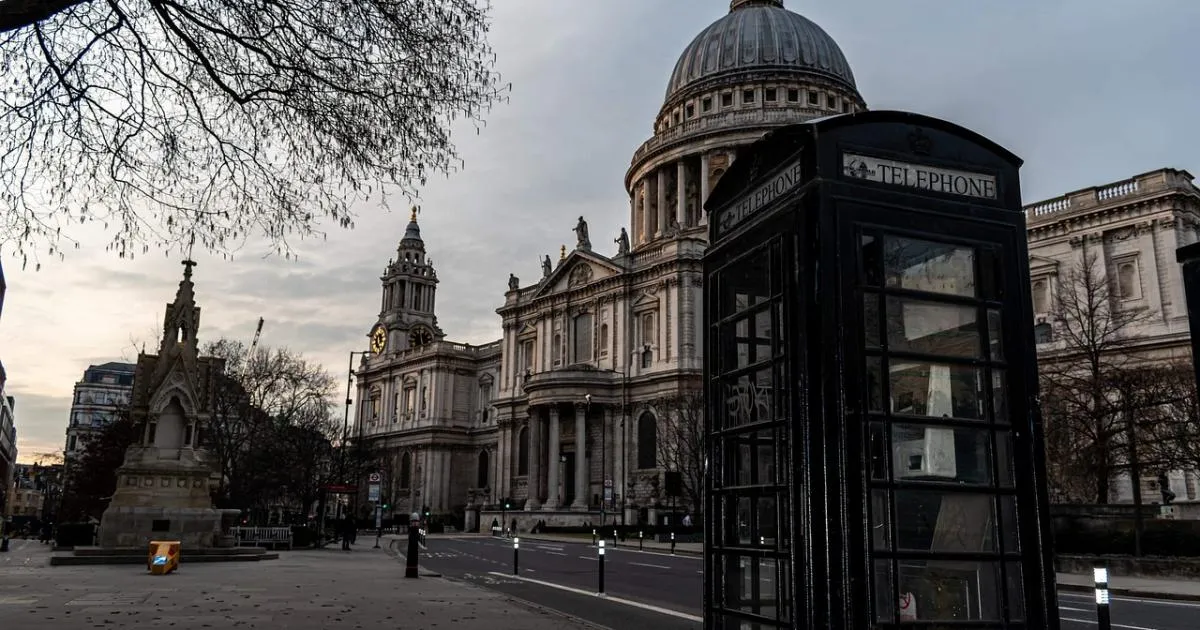
London Weather: Hottest Day of 2026 Recorded
On March 6, 2026, London recorded its hottest day of the year so far, with temperatures reaching a notable 19.2°C in Northolt. This significant weather event has drawn attention not only for the warmth but also for the accompanying high pollution levels affecting the city.
The day began with cloudy skies and a light chance of rain, particularly between 11 AM and 1 PM. As the day progressed, forecasts indicated that the heaviest rain would arrive around 4 PM, with a 90 percent chance of precipitation. Despite the rain, the maximum temperature was expected to peak at 13°C around 1 PM, feeling slightly cooler at 12°C.
Looking ahead, the weather in London is set to fluctuate. On Saturday, March 7, the maximum temperature is anticipated to drop to 12°C, feeling like 11°C. The following day, Sunday, March 8, is expected to see a rise in temperatures again, with daytime highs reaching 15°C around 3 PM. This pattern of fluctuating temperatures is typical for early March in London.
However, the warmth has been overshadowed by a high pollution alert in place for the city, attributed to Saharan dust covering London. This phenomenon is linked to warm air coming from Africa and continental Europe, which has raised pollution levels to concerning heights. On Friday, pollution levels are expected to be very high, dropping to low levels on Saturday and settling at medium levels by Sunday.
Mete Coban, a local health official, emphasized the importance of public health during this period, stating, “We are urging Londoners to look after themselves in this high pollution period, stop their engines idling, and refrain from burning wood or garden waste – all of which contribute to high levels of pollution.” This statement highlights the need for residents to be cautious as they navigate the warmer weather.
In addition to the pollution concerns, experts have noted that March and April mark the tree pollen season, which can exacerbate health issues for those with allergies. Professor Gideon Lack remarked, “March-April is tree pollen season rather than grass pollen which kicks in May-July,” indicating that those sensitive to pollen should remain vigilant as the weather warms.
As Londoners enjoy the unseasonably warm weather, they are also reminded of the environmental challenges posed by pollution and allergens. The combination of high temperatures and pollution presents a unique set of challenges for the city, underscoring the importance of public awareness and health precautions during this time.
Details remain unconfirmed regarding the long-term implications of these weather patterns, but the immediate focus remains on managing health risks associated with high pollution levels while enjoying the warmer temperatures.