Introduction
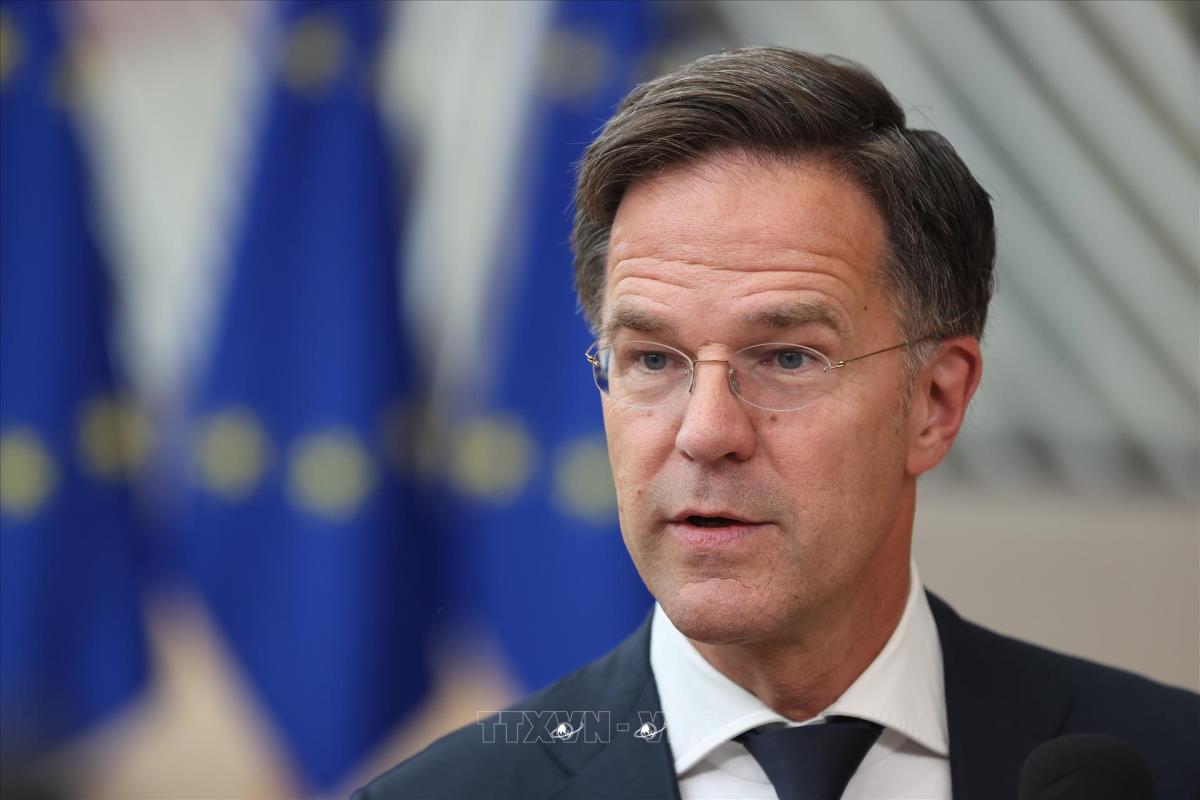
Mark Rutte, the Prime Minister of the Netherlands since 2010, has been a prominent figure in Dutch and European politics. His leadership has spanned over a decade, making him one of the longest-serving leaders in the European Union. As the head of a nation navigating complex issues such as immigration, climate change, and the consequences of the COVID-19 pandemic, Rutte’s policies and decisions hold significant importance for both his country and the wider region.
Political Career and Achievements
Rutte is a member of the People’s Party for Freedom and Democracy (VVD) and became the party leader in 2006. His ascent to Prime Minister came after the VVD’s victory in the 2010 parliamentary elections. Since then, Rutte has successfully led his country through multiple crises, most notably during the eurozone financial crisis and the ongoing global pandemic.
Under Rutte’s leadership, the Netherlands has experienced economic growth, with unemployment rates reaching historic lows. His government has implemented a range of reforms aimed at encouraging job creation, including significant investments in technology and innovation. Furthermore, Rutte’s administration has focused on reducing the national deficit while providing essential services amidst fiscal constraints.
Recent Events and Challenges
However, Rutte’s tenure has not been without its challenges. The COVID-19 pandemic brought forth unprecedented trials, necessitating strict public health measures that sparked widespread protests. Rutte’s government faced criticism for its handling of lockdowns and vaccination rollouts, leading to tension among citizens. In addition, an ongoing housing crisis and rising energy costs have exacerbated public discontent, prompting calls for change in leadership.
As the Netherlands prepares for the next election cycle, Rutte has announced his intention to run again despite calls for new faces within the VVD. Observers note that his leadership style, characterised by pragmatism and consensus-building, will be put to the test as he seeks to address pressing societal issues and maintain his political momentum.
Conclusion
Mark Rutte’s impact on Dutch politics is undeniable. With a career marked by significant achievements and formidable challenges, he continues to play a vital role in shaping the future of the Netherlands. As the country gears up for its upcoming elections, many are eager to see how Rutte’s leadership will evolve in response to the changing political landscape. His ability to navigate these complexities will not only determine his political fate but also the direction of Dutch policy for years to come.