Victory at the Azteca Stadium
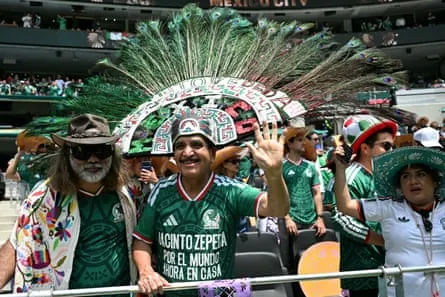
Mexico secured a 2-0 victory over South Africa in the opening match of the World Cup at the Estadio Ciudad de México, commonly known as the Azteca, on Thursday. The match provided a temporary reprieve from ongoing protests and social issues in Mexico City. Fans gathered outside the stadium, chanting and waving flags, creating a festive atmosphere despite clashes between protesters and police occurring nearby.
The journey to the stadium highlighted the contrasting realities within Mexico. While some fans celebrated with traditional music and performers, others engaged in protests. Recent weeks have seen demonstrations, though the crowd on Thursday was smaller following an agreement between Mexico‘s president, Claudia Sheinbaum, and striking teachers.
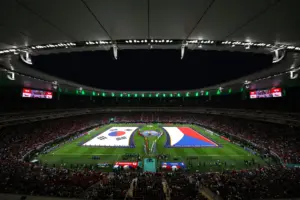
Inside the stadium, the atmosphere was vibrant. The Azteca, which has undergone significant renovations, looked impressive. Mexico midfielder Érik Lira expressed his surprise at the large number of supporters who greeted the team bus, noting signs that read “Mexico united” and “We love Mexico.”
The opening goal for Mexico came within ten minutes, with Julián Quiñones capitalising on a defensive error. The stadium erupted in cheers, and Mexico head coach Javier Aguirre celebrated with his staff and players. Aguirre, who played in Mexico‘s 1986 World Cup opener, described the scene as brutal for opponents, stating it could make their feet shake.
Disciplinary Incidents and Fan Reactions
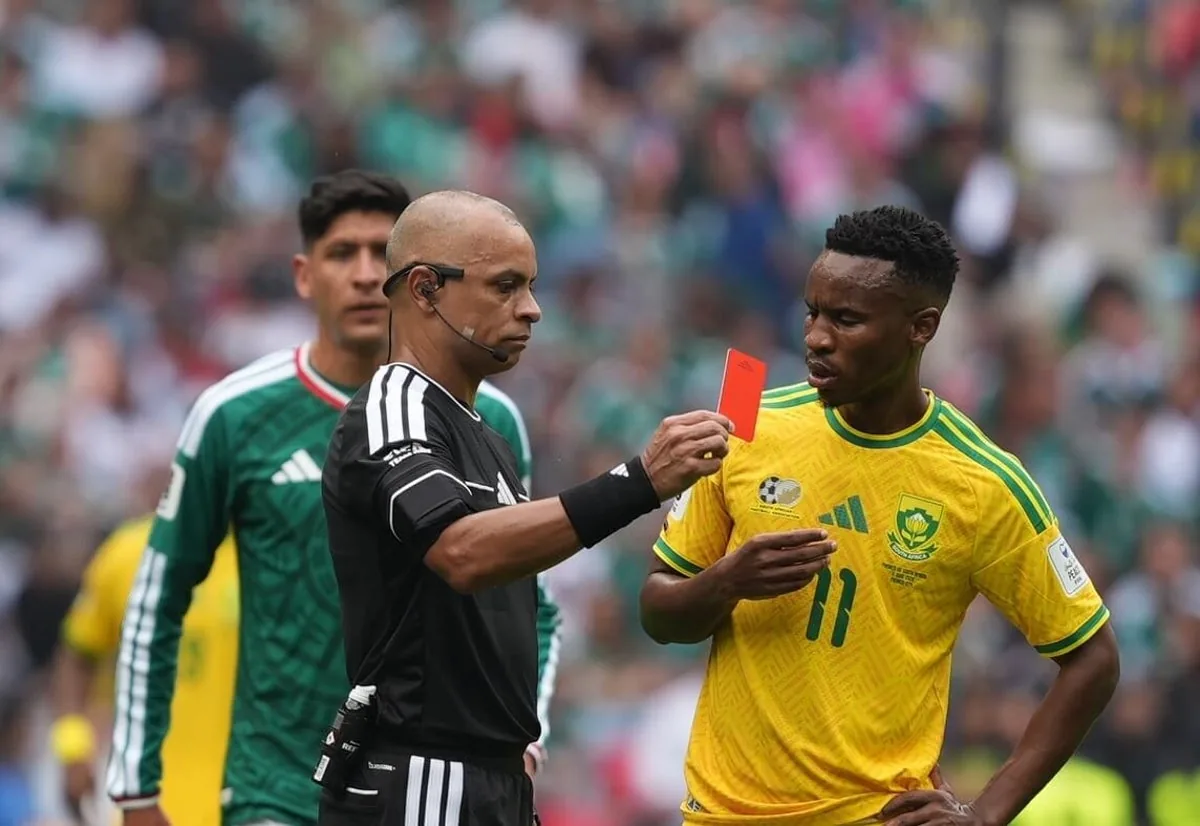
The match was notable for its disciplinary actions, with referee Wilton Sampaio issuing three red cards. South Africa‘s Sphephelo Sithole was dismissed in the 49th minute, becoming the first player in 32 years to be sent off in a World Cup curtain-raiser. His teammate, Themba Zwane, received a red card 23 minutes after coming on as a substitute in the 61st minute. Zwane, at 36, is the second oldest player to be sent off at a World Cup.
Mexico captain Cesar Montes also received a red card in added time for a professional foul. This marked the first time a World Cup opener featured three red cards, surpassing the two issued in 1990. Despite the high number of dismissals, the game only saw 23 fouls, suggesting clumsy challenges rather than cynical play.
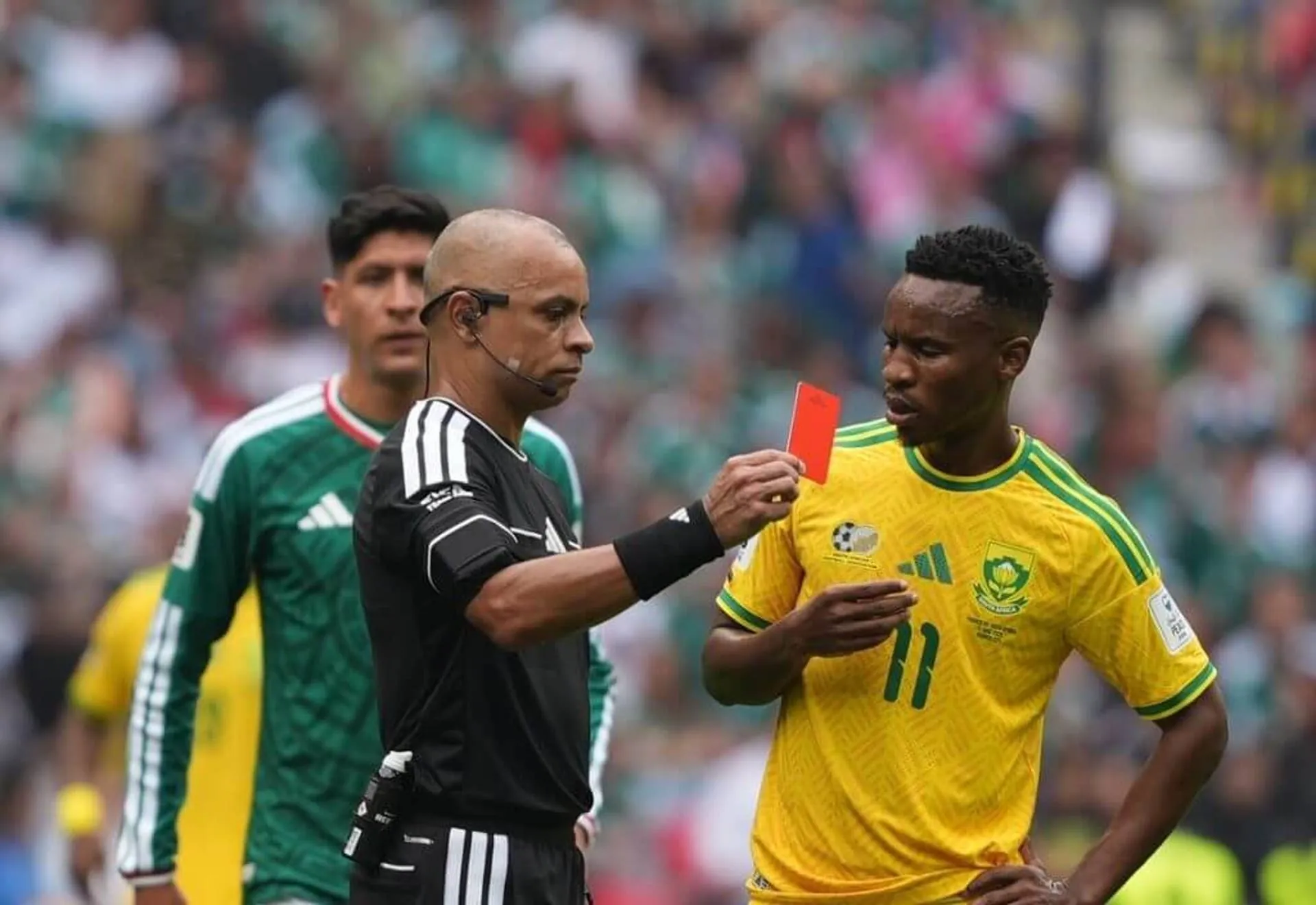
The first red card for Sithole was for denying a goalscoring opportunity. Zwane‘s dismissal, however, was for violent conduct after an off-the-ball incident with Mexico‘s Roberto Alvarado, which was reviewed by the Video Assistant Referee Nicolas Gallo. South Africa head coach Hugo Broos commented on the second red card, suggesting it was a “little bit soft.” Montes‘ red card was the most debated, as it was also deemed a denial of a goalscoring opportunity despite the player seemingly running away from goal.
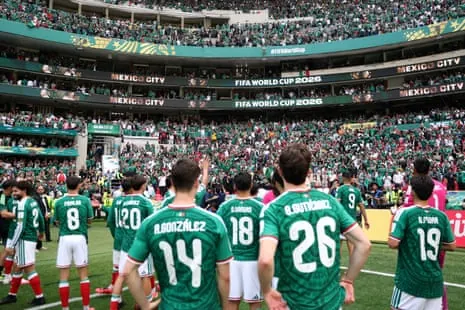
Despite their team being 2-0 up, Mexican fans began to whistle when their team attempted to waste time by knocking the ball around. Aguirre acknowledged this, stating, “The people had a right to boo.” However, at the final whistle, the crowd of 80,824 fans broke into song, serenading the team with a rendition of Cielito Lindo.
Tournament Context and Local Impact
There has been discussion in Mexico regarding the country’s role in the tournament, with many matches scheduled for the United States, including the final. Canada and Mexico have been offered a smaller share of games, described by one fan as “un pedacito,” or a tiny piece. This contrasts with previous World Cups hosted by Mexico in 1970 and 1986, which felt more central to the nation.
High ticket prices, with some pushing into the thousands, and expensive concessions, such as a beer costing approximately 280 pesos or $17, have also been points of contention. However, for the fans present at the Azteca on Thursday, these concerns were overshadowed by the match itself. The victory provided a moment of unity and celebration for Mexican football and the country.
The World Cup opener for Mexico ended with a 2-0 scoreline against South Africa.
Read Also
Source: theguardian.com